High blood pressure is one of the most common health problems in the world—and many people don’t even realize they have it. It can develop without any obvious warning signs, and over time it may impact the heart, blood vessels, kidneys, brain and other organs.
This is why understanding High Blood Pressure and Heart Health is so important.
Blood pressure naturally fluctuates throughout the day. But when it stays high, the heart has to work harder to push blood through the arteries in the body. This increased pressure can put a strain on the heart and contribute to cardiovascular problems over months and years.
The problem is that a person can have high blood pressure and feel perfectly normal.
Long-term risks associated with hypertension can be reduced by regular blood pressure monitoring, healthy lifestyle habits, appropriate medical treatment and follow-up.
In this guide, we explain how elevated blood pressure affects the cardiovascular system, why it is often called a silent killer, what complications can develop and what you can do to protect your heart.
Medical Disclaimer:
This article is for general educational purposes and does not replace personalized medical advice, diagnosis or treatment. If you have severe or concerning symptoms, seek urgent medical care.
What Is High Blood Pressure?
High blood pressure, also called hypertension, occurs when the force of blood pushing against the walls of the arteries remains higher than recommended over time.
Blood pressure is recorded using two numbers:
- Systolic pressure: the pressure when the heart contracts.
- Diastolic pressure: the pressure when the heart relaxes between beats.
A single elevated reading does not necessarily mean that a person has chronic hypertension. Blood pressure can temporarily rise because of stress, pain, exercise, caffeine, illness or other factors.
Why Blood Pressure Monitoring Matters
Multiple readings give a more accurate picture of a person’s typical blood pressure.
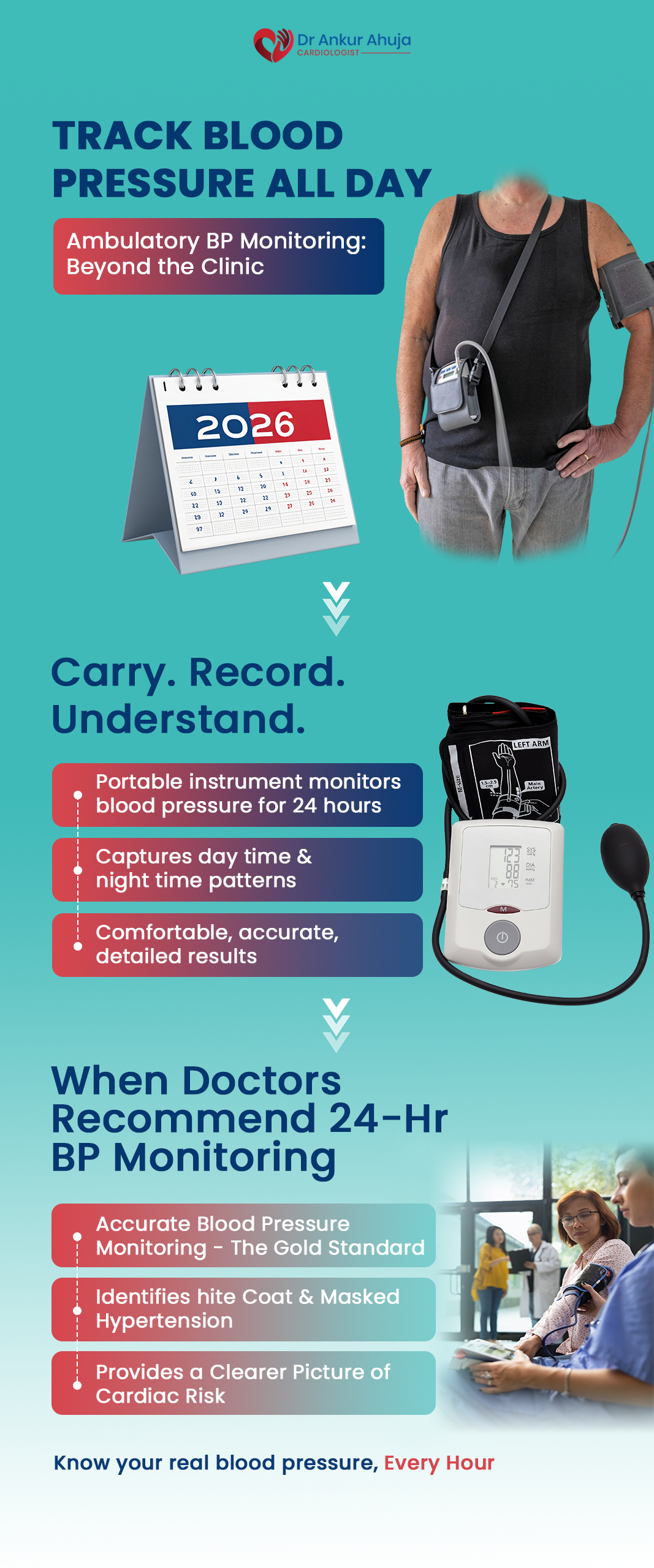
Depending on the circumstances, health care professionals may recommend home monitoring, ambulatory monitoring or multiple measurements in a clinical setting.
The goal is not to get just one “good” reading. It is to understand the overall pattern of blood pressure and the risk of the heart of the person.
Why Is High Blood Pressure Called a Silent Killer?
One of the biggest challenges with hypertension is the lack of obvious symptoms.
Hypertension Can Exist Without Warning Signs
Many people with elevated blood pressure feel perfectly healthy.
They may continue working, exercising, traveling and carrying out their daily activities without realizing that their blood pressure is consistently high.
This explains why is high blood pressure called a silent killer.
The phrase refers primarily to its ability to cause progressive damage without necessarily producing noticeable symptoms in the early stages.
Feeling Fine Does Not Always Mean Your Blood Pressure Is Fine
A common misconception is that a person will experience headaches, dizziness or weakness whenever their blood pressure is elevated.
That is not necessarily the case.
Routine measurement is therefore important, particularly for people with risk factors such as increasing age, obesity, diabetes, kidney disease, smoking, family history or a previous cardiovascular condition.
How High Blood Pressure Affects the Heart
The heart and blood vessels work together as one cardiovascular system. When arterial pressure remains elevated, the heart and blood vessels can gradually undergo structural and functional changes.
Increased Workload on the Heart
When blood pressure remains high, the heart must pump against greater resistance.
Over time, the muscular wall of the heart—particularly the left ventricle—may become thicker. This is known as left ventricular hypertrophy.
Initially, the heart may compensate for the increased workload. However, persistent changes can eventually affect the heart’s ability to relax and, in some cases, its ability to pump efficiently.
Changes in the Arteries
Also, a constant high pressure can cause changes in the walls of the blood vessels.
Arteries can lose their flexibility and hypertension, when combined with other risk factors, can contribute to the development and progression of atherosclerosis.
These vascular changes may predispose to coronary artery disease, stroke and other cardiovascular complications.
Effects of High Blood Pressure on the Heart Over Time
The cardiovascular effects of uncontrolled hypertension generally develop gradually rather than overnight.
Thickening of the Heart Muscle
A heart that consistently pumps against higher resistance may adapt by becoming thicker.
Although this can initially help the heart generate sufficient pressure, a thickened heart muscle can become less flexible.
That may interfere with the heart’s ability to fill properly between beats.
Reduced Cardiac Efficiency
As structural changes progress, the heart may become inefficient.
Symptoms can develop over a period of time including breathlessness on exertion, poor exercise tolerance, swelling or unusual fatigue.
These symptoms have many causes and should be evaluated rather than automatically attributed to blood pressure.
Increased Cardiovascular Risk
Persistent hypertension is associated with an increased risk of conditions such as:
- Coronary artery disease
- Heart failure
- Stroke
- Kidney disease
- Atrial fibrillation and other cardiovascular complications
- Peripheral arterial disease
The risk is influenced by the severity and duration of elevated blood pressure as well as other individual risk factors.
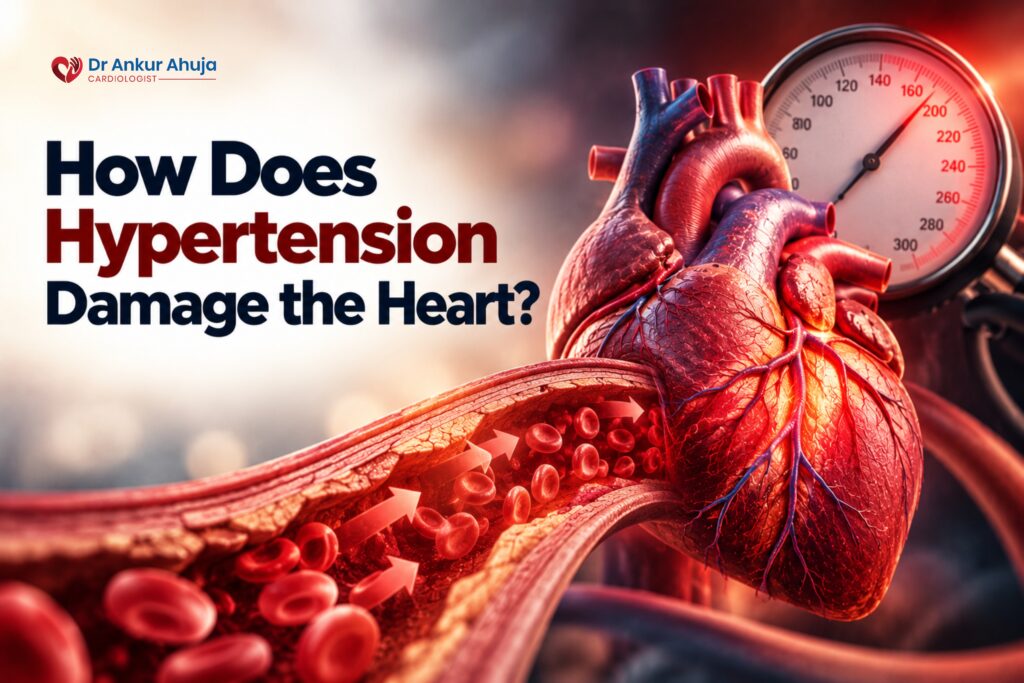
How Does Hypertension Damage the Heart?
The damage is not usually caused by one isolated high reading.
Long-Term Pressure Creates Continuous Strain
Imagine the heart as a pump working against resistance. If that resistance remains elevated for years, the pump has to work harder than it should.
This sustained workload can lead to structural changes in the heart.
In addition, hypertension can damage the lining and structure of blood vessels, contributing to vascular disease.
Hypertension Often Works With Other Risk Factors
Cardiovascular risk rarely comes from a single factor.
Smoking, diabetes, abnormal cholesterol, obesity, physical inactivity, unhealthy dietary patterns, kidney disease and family history can interact with hypertension.
This is why cardiovascular prevention requires a comprehensive approach rather than focusing on blood pressure alone.
Can High Blood Pressure Cause Heart Failure?
Yes. Long-standing uncontrolled hypertension is an important risk factor for heart failure.
How Heart Failure Can Develop
A continued pressure overload can lead to thickening and stiffening of the heart muscle.
Over time the heart may not relax and fill properly. In some instances, sustained cardiovascular stress can also lead to decreased pumping function.
Heart failure does not mean the heart has stopped beating altogether. It is that the heart cannot adequately meet the needs of the body without increased pressure or other compensatory changes.
Symptoms That Need Medical Evaluation
Possible symptoms of heart failure can include:
- Breathlessness
- Swelling of the ankles or legs
- Persistent fatigue
- Reduced ability to exercise
- Rapid weight gain due to fluid retention
- Difficulty breathing when lying down
These symptoms can also occur with other conditions, so proper medical assessment is essential.
Signs of Heart Damage From High Blood Pressure
Hypertension itself may not cause symptoms, but cardiovascular damage can eventually produce warning signs.
Possible Symptoms to Watch For
Depending on the underlying problem, symptoms may include:
- Shortness of breath
- Chest discomfort
- Reduced exercise tolerance
- Persistent tiredness
- Swelling in the legs or ankles
- Palpitations
- Dizziness or fainting
However, symptoms alone cannot determine whether high blood pressure has damaged the heart.
Tests Can Detect Changes Earlier
A doctor may use different investigations depending on the patient’s history and symptoms.
These can include:
- Blood pressure monitoring
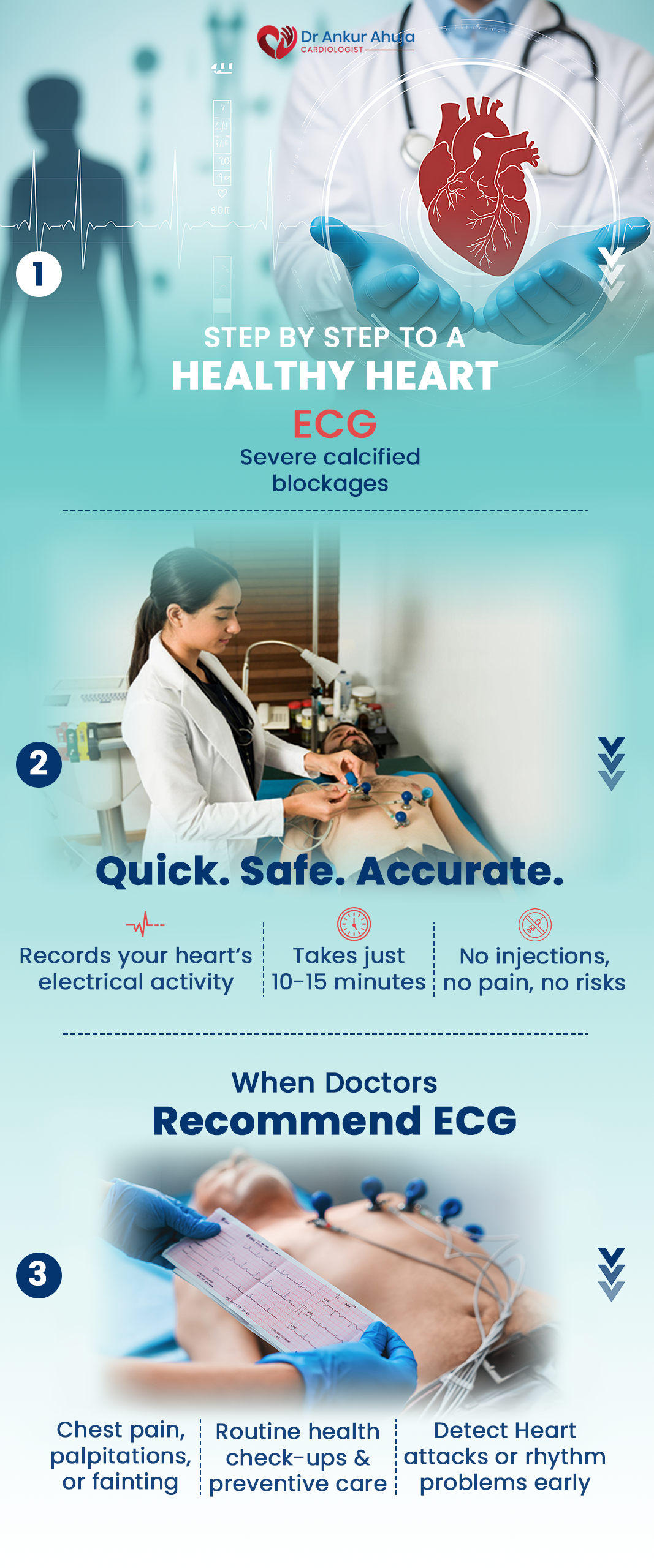
- Electrocardiogram
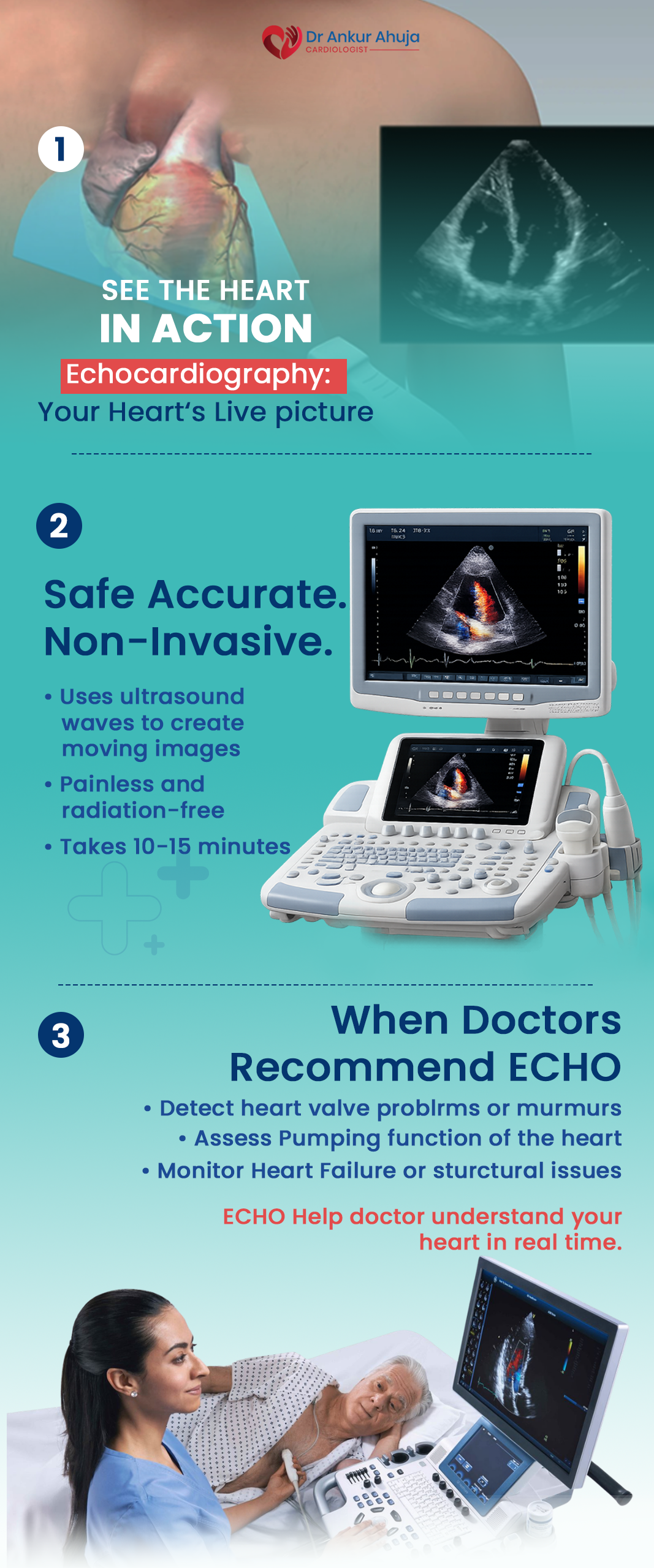
- Echocardiogram
- Blood tests
- Cholesterol and glucose testing
- Kidney function tests
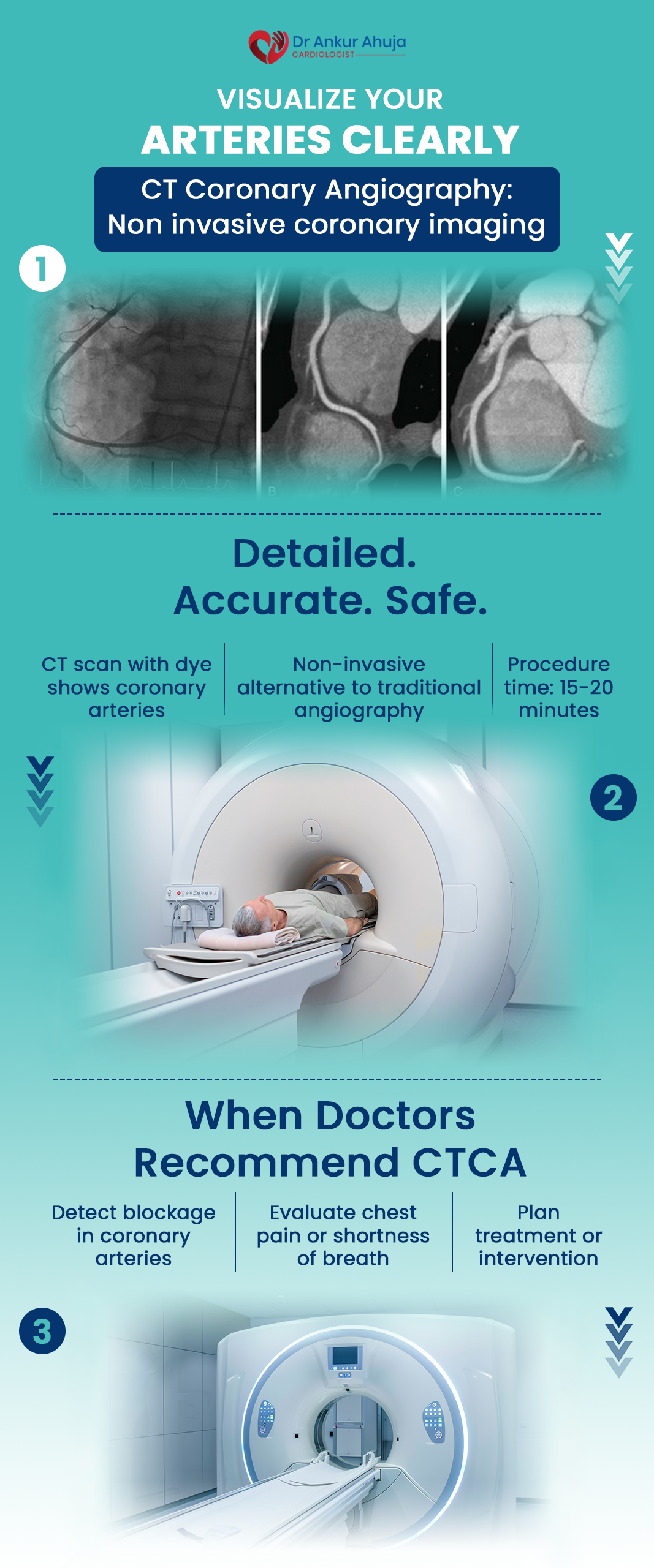
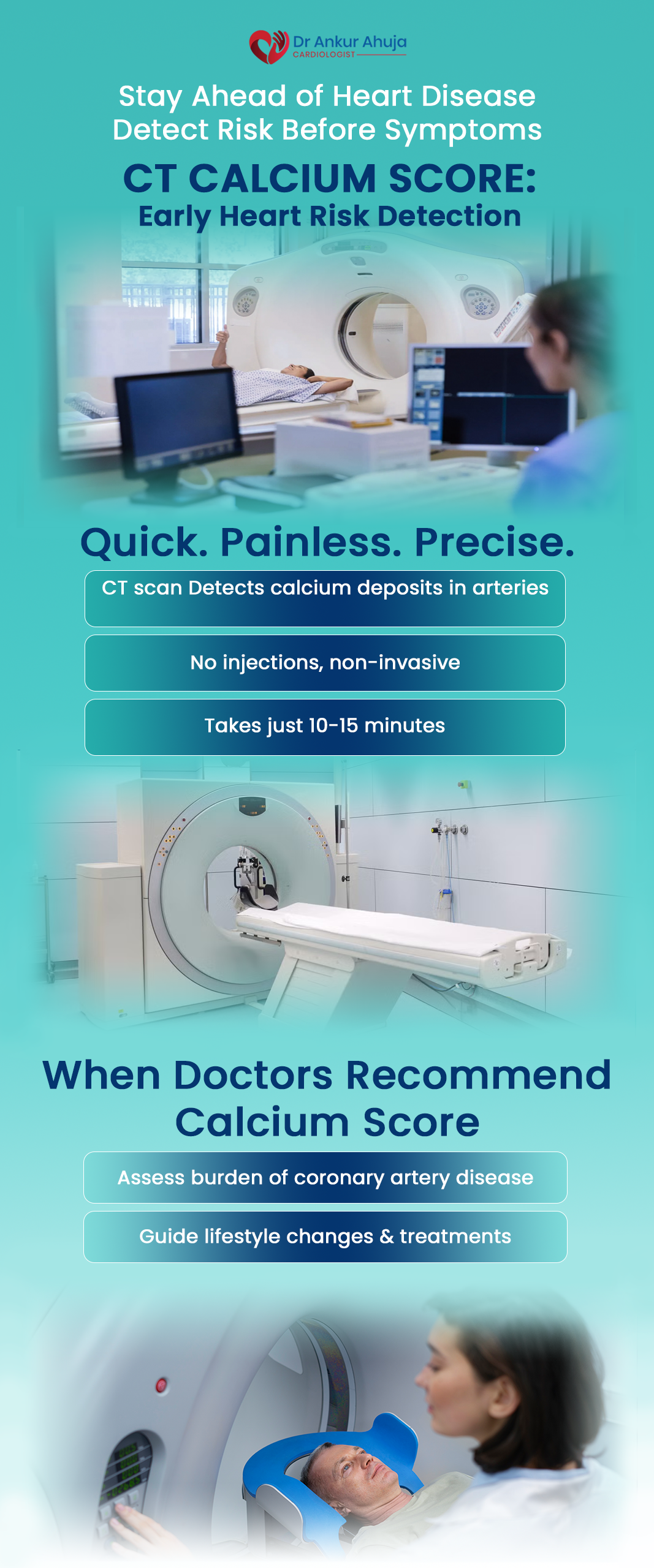
- Additional cardiovascular imaging when clinically appropriate
Not every person requires every test. The evaluation should be guided by individual risk and symptoms.
What Are Hypertension Symptoms?
There is an important distinction between hypertension and symptoms caused by complications.
Most People Have No Specific Symptoms
Mild to moderate hypertension commonly produces no distinctive symptoms.
Headaches, dizziness, fatigue or nosebleeds can occur for many reasons and should not automatically be interpreted as evidence of high blood pressure.
The only reliable way to know your blood pressure is to measure it.
Very High Blood Pressure Can Be an Emergency
Extremely high blood pressure, particularly when accompanied by symptoms such as chest pain, severe shortness of breath, confusion, weakness, vision changes or neurological symptoms, requires urgent medical evaluation.
Do not rely on home remedies in such situations.
High Blood Pressure Complications You Should Know
When hypertension remains uncontrolled, the consequences can extend beyond the heart.
Heart-Related Complications
Potential cardiovascular complications include:
- Left ventricular hypertrophy
- Coronary artery disease
- Heart failure
- Abnormal heart rhythms
- Increased risk of heart attack
Brain and Kidney Complications
Persistent hypertension can also increase the risk of stroke and contribute to kidney damage.
The kidneys play an important role in blood pressure regulation, so kidney disease and hypertension can also influence each other.
Blood Vessel Damage
Long-term pressure can contribute to changes in the arteries and increase the risk of vascular disease.
The earlier elevated blood pressure is identified and managed, the more opportunity there is to reduce long-term cardiovascular risk.
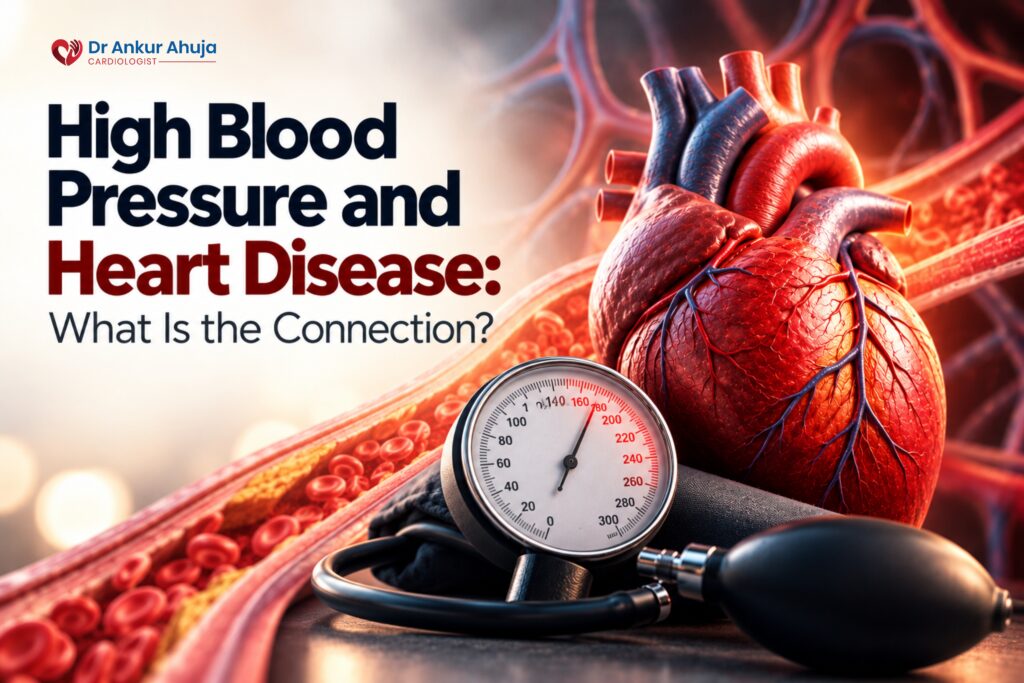
High Blood Pressure and Heart Disease: What Is the Connection?
The relationship between hypertension and cardiovascular disease is well established.
Hypertension Adds to Overall Cardiovascular Risk
High blood pressure can lead to changes in the heart and blood vessels.
Total cardiovascular risk may also increase when combined with high LDL cholesterol, diabetes, smoking, obesity or inactivity.
That’s why doctors take into account multiple factors when assessing a patient’s heart health.
Prevention Starts Before Symptoms
Waiting for chest pain or breathlessness before addressing cardiovascular risk is not ideal.
Regular health checks can identify blood pressure abnormalities and other heart disease risk factors before complications develop.
How to Control High Blood Pressure
Effective management is usually a combination of lifestyle measures and, when appropriate, medication.
Eat for Cardiovascular Health
A heart-supportive dietary pattern generally emphasizes:
- Vegetables and fruits
- Whole grains
- Legumes
- Nuts and seeds
- Appropriate lean protein sources
- Healthy unsaturated fats
It is also important to moderate excess sodium, highly processed foods, added sugars, and excessive saturated fat.
People with kidney disease or other medical conditions may need individualized dietary guidance.
Stay Physically Active
Regular activity helps to support blood pressure control, cardiovascular fitness, body weight and metabolic health.
Adults need to be as active as appropriate for their age, health and fitness.
People with a known heart condition or symptoms that are worrisome should speak with their health care professional about the intensity of their exercises.
Maintain a Healthy Weight
For people who are overweight or have obesity, even a modest and sustainable reduction in body weight may contribute to better blood pressure and metabolic health.
The focus should be on sustainable habits rather than extreme diets.
Avoid Tobacco
Smoking damages blood vessels and substantially increases cardiovascular risk.
Quitting smoking is one of the most important steps a person can take to improve cardiovascular health.
Limit Excess Alcohol
Drinking too much alcohol can lead to high blood pressure and other heart problems.
If you drink alcohol, talk with your healthcare provider about what is a safe amount for you to drink.
What Is High Blood Pressure Treatment?
Treatment depends on blood pressure levels, overall cardiovascular risk, existing medical conditions, age and other factors.
Lifestyle Changes May Be Part of Treatment
For some people, especially those with mildly elevated blood pressure or lower overall risk, lifestyle changes may be an important initial strategy.
These may include improved diet, regular activity, weight management, reduced sodium intake, better sleep, stress management, and avoiding tobacco.
Medicines May Be Necessary
When lifestyle measures are insufficient or cardiovascular risk is high, doctors may prescribe medication.
Common classes include:
- ACE inhibitors
- ARBs
- Calcium channel blockers
- Thiazide-type diuretics
- Beta blockers in selected situations
The appropriate medication depends on the individual.
Patients should take prescribed medicines as directed and should not stop treatment simply because they feel well.
Why Medication Adherence Matters
One of the challenges of hypertension treatment is that patients may feel completely normal.
Feeling Better Does Not Mean Blood Pressure Is Normal
Often blood pressure medicine works quietly.
The person may not feel any different after taking it but the drug may be lowering cardiovascular risk.
If you stop treatment without medical advice, your blood pressure can go up again.
Regular Follow-Up Helps
Your doctor may periodically review:
- Blood pressure readings
- Medication effectiveness
- Possible side effects
- Kidney function
- Electrolytes
- Cholesterol
- Blood sugar
- Overall cardiovascular risk
Treatment can then be adjusted when necessary.
The Role of Dr. Ankur Ahuja in Cardiovascular Care
Managing hypertension is not simply about lowering one number on a blood pressure monitor.
Dr. Ankur Ahuja approaches cardiovascular health by considering the patient’s overall clinical picture, including symptoms, medical history, lifestyle, family history, blood pressure patterns and other cardiovascular risk factors.
Personalized Assessment Matters
Two people with similar blood pressure readings may not have identical cardiovascular risk.
Age, diabetes, kidney health, cholesterol, smoking status, family history, previous cardiovascular disease and other conditions can change the appropriate treatment approach.
A personalized assessment can therefore help determine what monitoring and treatment are appropriate.
Prevention and Long-Term Management
Good cardiovascular care extends beyond treating an abnormal reading.
It includes identifying risk early, managing contributing conditions, encouraging sustainable lifestyle changes and monitoring patients over time.
For people concerned about blood pressure or cardiovascular risk, consultation with a qualified cardiology professional can help turn uncertainty into an appropriate care plan.
Frequently Asked Questions About High Blood Pressure and Heart Health
Q1: Can high blood pressure damage the heart without symptoms?
Yes. Elevated blood pressure can remain unnoticed while gradually increasing strain on the heart and blood vessels. This is why regular blood pressure monitoring and appropriate cardiovascular risk assessment are important even when a person feels healthy.
Q2: How does high blood pressure affect the heart?
Persistent hypertension increases the workload of the heart and can contribute to thickening of the heart muscle, reduced relaxation, coronary artery disease and heart failure. The risk is influenced by duration, severity and other cardiovascular conditions.
Q3: Can high blood pressure cause heart failure?
Yes. Long-term uncontrolled hypertension is an important risk factor for heart failure. Persistent pressure overload can cause structural changes in the heart and may eventually impair its ability to fill or pump effectively.
Q4: What are the warning signs of heart damage?
Possible warning signs include breathlessness, chest discomfort, reduced exercise tolerance, swelling of the legs, persistent fatigue or palpitations. However, symptoms are not specific, so medical evaluation is needed to identify the underlying cause.
Q5: How can I control my blood pressure naturally?
Eating healthy, being physically active, maintaining a normal weight, limiting too much sodium and alcohol, not using tobacco, managing stress and getting enough sleep can all help to support blood pressure control. Some will still require prescribed medication.
Q6: Should I stop my blood pressure medicine if I feel fine?
No. Hypertension commonly has no noticeable symptoms, and feeling well does not necessarily mean blood pressure is controlled. Never stop or change prescribed medication without discussing it with your healthcare professional.
Q7: How often should blood pressure be checked?
The appropriate frequency depends on age, previous readings, health conditions, medications, and cardiovascular risk. People with diagnosed hypertension may need regular home or clinical monitoring according to their doctor’s recommendations.
Q8: Is high blood pressure permanently curable?
Hypertension can often be controlled effectively, but whether medication can eventually be reduced or stopped depends on the individual. Lifestyle improvements can help, but treatment decisions should be made with a healthcare professional.
Final Thoughts on High Blood Pressure and Heart Health
Understanding High Blood Pressure and Heart Health is important for preventing cardiovascular disease.
Hypertension may not have any obvious symptoms, but if it remains elevated, it can cause constant strain on the blood vessels and heart. Over time it can cause changes in the heart muscle, coronary artery disease, heart failure, stroke, kidney disease and other complications.
The good news is that, for many people, high blood pressure is a modifiable cardiovascular risk factor.
Regular monitoring, balanced diet, physical activity, healthy weight management, tobacco avoidance, appropriate medication and regular medical follow-up can all play an important role.
The key is not to wait for symptoms before taking action.
If you have elevated blood pressure, a family history of cardiovascular disease, diabetes, high cholesterol, or other risk factors, speak with a qualified healthcare professional. Dr. Ankur Ahuja can help assess your cardiovascular risk and determine an appropriate approach based on your individual health needs.
Taking blood pressure seriously today can help protect your heart for years to come.
Medical Disclaimer:
This article is solely for educational purposes and should not be considered personalized medical advice. The diagnosis and treatment should be determined by individual clinical evaluation. Seek emergency medical care if you have severe chest pain, severe breathlessness, neurological symptoms, fainting or other symptoms which may be serious.