Winter brings comfort foods, reduced physical activity and lifestyle changes that can quietly increase strain on the heart. Cold temperatures cause blood vessels to constrict, circulation may slow and cholesterol levels can rise due to heavier dietary choices. For individuals with heart disease or those at risk, winter nutrition becomes a vital part of preventive care rather than a seasonal indulgence.
A well-planned heart healthy winter diet focuses on warmth, nourishment and balance.With guidance rooted in cardiology expertise, winter meals can improve circulation, manage cholesterol levels and support overall cardiovascular stability. This guide explains how winter affects heart health, which foods offer protection, how to structure meals and when professional dietary guidance from Dr. Ankur becomes essential.
Why Winter Requires Special Attention to Heart Health
Cold weather triggers several physiological responses that directly affect the cardiovascular system.
How Cold Temperatures Impact the Heart
During winter, blood vessels constrict to preserve body heat, which can raise blood pressure and increase the heart’s workload. Reduced daylight and colder conditions often lead to less physical movement, while dietary habits shift toward richer, calorie-dense foods. Over time, these factors can increase cardiovascular risk if not managed carefully.
Nutrition serves as one of the most effective ways to counterbalance these seasonal challenges and protect heart function.
The Role of Diet in Protecting the Heart During Winter
Food choices influence blood pressure, cholesterol metabolism, inflammation and circulation.
Why Winter Nutrition Matters More Than You Think
During colder months, the body benefits from foods that provide warmth, support digestion and reduce internal stress on the heart. A heart-focused winter diet is not restrictive; instead, it emphasizes smart choices that align with the body’s seasonal needs while maintaining enjoyment and comfort.
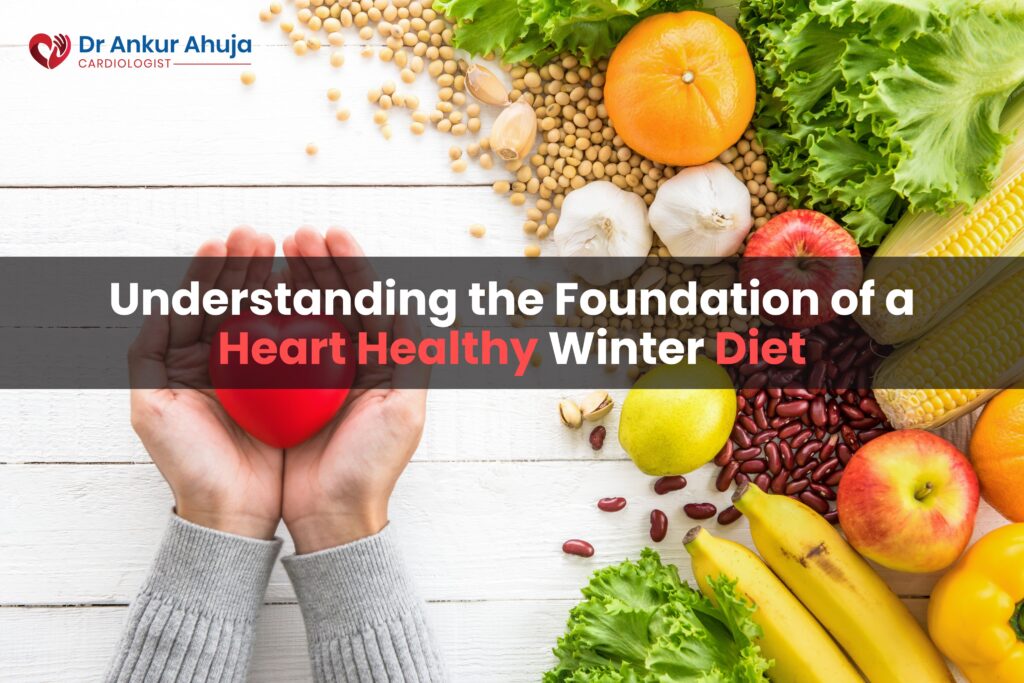
Understanding the Foundation of a Heart Healthy Winter Diet
A heart-supportive winter diet is built on consistency, balance and mindful portion control.
Key Principles of Winter Heart Nutrition
Warm, freshly prepared meals are easier to digest and support circulation. Fiber-rich foods help regulate cholesterol, while healthy fats protect blood vessels and reduce inflammation. Maintaining moderation is crucial, as winter meals tend to be heavier and more frequent.
Together, these elements create a dietary pattern that supports cardiovascular health throughout the season.
Winter Foods for Heart Health and Daily Nourishment
Seasonal foods provide essential nutrients that naturally support heart function.
Why Seasonal Choices Matter
Whole grains, vegetables, fruits, and healthy fats form the backbone of winter nutrition.Foods such as oats, brown rice, seasonal leafy greens, root vegetables, citrus fruits, nuts,seeds, and heart-friendly oils are excellent winter foods for heart health. They supply antioxidants, fiber, and minerals that help regulate blood pressure and protect blood vessels from damage. Warm dishes such as vegetable soups, lentil stews, and lightly spiced broths promote satiety and comfort without overloading the heart.
Heart Healthy Winter Diet and Cholesterol Balance
Cholesterol management becomes more challenging in winter due to reduced activity and richer meals.
Supporting Cholesterol Stability Through Diet
A heart healthy diet in winter prioritizes soluble fiber, healthy fats, and reduced intake of saturated fats. These dietary adjustments help slow cholesterol absorption and maintain lipid balance, reducing long-term cardiovascular risk.
Diet for Heart Patients During Cold Months
Individuals with existing heart conditions require extra attention during winter.
Why Heart Patients Need Tailored Winter Nutrition
A carefully planned diet for heart patients focuses on stability rather than extremes. Meals that include easily digestible whole grains, seasonal vegetables, fruits, and light proteins help maintain balance during colder months. Portion control, reduced salt intake, and consistent hydration remain essential, with warm foods such as simple soups, stews, and lightly cooked vegetables supporting nourishment without excess strain. Cold weather often suppresses thirst, but dehydration can thicken the blood and increase cardiac workload, making regular intake of fluids—through water and warm beverages—especially important.
Medical guidance ensures dietary changes remain safe and effective.
Cholesterol Lowering Foods That Fit Winter Meals
Managing cholesterol does not require eliminating comfort foods entirely.
Making Practical Winter Food Choices
Including cholesterol lowering foods such as whole grains, legumes, vegetables, and healthy oils helps offset seasonal dietary indulgences. Small substitutions—such as choosing whole grains over refined ones—can significantly improve cholesterol control over time.
Foods That Improve Blood Circulation in Winter
Cold temperatures naturally slow circulation, but diet can help counteract this effect.
Supporting Healthy Blood Flow
Foods that improve blood circulation include fiber-rich vegetables, healthy fats, and warming spices commonly used in winter cooking. Adequate hydration also plays a critical role by keeping blood less viscous and easier for the heart to pump.
Creating a Heart Healthy Winter Diet Meal Plan
Structure helps maintain consistency during winter.
Building Balanced Winter Meals
A heart healthy winter meal plan includes warm breakfasts rich in fiber, balanced lunches with vegetables and whole grains and lighter dinners that support overnight heart function. Thoughtful snack choices help maintain energy levels without unnecessary strain.
This structured approach simplifies daily decisions and supports long-term heart health.
Best Winter Diet for Heart Patients: What to Focus On
For heart patients, winter nutrition should emphasize prevention.
Medical Perspective on Winter Eating
The best winter diet for heart patients focuses on maintaining blood pressure, managing cholesterol and supporting circulation without sudden dietary changes. Consistency, moderation and personalization are more effective than restrictive eating patterns.
Hydration: A Critical but Overlooked Winter Factor
Many people reduce fluid intake during colder months.
Why Hydration Supports Heart Health
Dehydration can thicken blood, increase clot risk, and raise strain on the heart. Warm fluids, including soups and herbal beverages, help maintain hydration while supporting comfort during winter.

When Diet Alone Is Not Enough
While nutrition plays a powerful role, it cannot replace medical evaluation.
Recognizing the Limits of Dietary Changes
Persistent high cholesterol, rising blood pressure, fatigue, breathlessness, or chest discomfort may indicate the need for professional assessment. Age, medical history and existing conditions influence how effective dietary measures can be on their own.
When to Consult Dr. Ankur for Dietary Guidance
Personalized care ensures safety and effectiveness.
The Value of Professional Cardiology Support
Consultation becomes essential when winter symptoms worsen or lab values remain uncontrolled despite dietary efforts. Dr. Ankur provides individualized guidance that alignsdietary recommendations with medical history, medications and long-term heart health goals.
Frequently Asked Questions (FAQs)
Q1. What is a heart healthy winter diet?
It is a winter-focused eating pattern that emphasizes warm, nutrient-rich foods to support circulation and cholesterol control.
Q2. Which winter foods are best for heart health?
Whole grains, vegetables, fruits, healthy fats and warm home-cooked meals are ideal choices.
Q3. Can diet alone control cholesterol during winter?
Diet plays a major role, but some individuals may require medication depending on risk factors.
Q4. Why is hydration important in cold weather?
Dehydration increases blood thickness and cardiac workload, even in winter.
Q5. When should heart patients seek dietary advice?
If cholesterol or blood pressure remains high or symptoms appear, medical guidance is recommended.
Q6. Are winter meal plans helpful for heart care?
Yes, structured meal planning improves consistency and supports heart-friendly habits.
Conclusion
Winter presents subtle yet significant challenges to heart health. Cold temperatures, reduced activity, and dietary shifts can quietly increase cardiovascular risk if not addressed thoughtfully. By focusing on warm, nourishing foods and maintaining consistency, individuals can protect circulation, manage cholesterol and reduce seasonal strain on the heart.
A well-planned heart healthy winter diet, combined with timely medical guidance, transforms winter into a season of prevention rather than risk. For individuals with heart conditions or elevated risk, consulting Dr. Ankur Ahuja ensures dietary choices are safe, personalized, and aligned with long-term cardiovascular well-being.