For many individuals, a normal cholesterol report brings relief. It feels like confirmation that the heart is healthy and the risk of disease is low. However, modern cardiology tells a more complex story. A growing number of patients experience serious cardiac events despite having lipid levels within the recommended range. These misconceptions are fueled by persistent heart disease myths that oversimplify cardiovascular health.
At Dr. Ankur Ahuja, preventive cardiology focuses on comprehensive risk evaluation rather than isolated lab values. Cholesterol is important, but it is only one part of a much larger clinical picture. Understanding the truth behind these myths can help patients take informed, proactive steps toward long-term heart health.
Heart Disease Myths About Cholesterol and Safety
Why Heart Disease Myths Persist
One of the most common heart disease myths is the belief that normal cholesterol equals zero risk. This assumption continues because cholesterol testing is accessible and widely emphasized in public health messaging. However, heart disease is a multifactorial condition influenced by genetics, inflammation, lifestyle habits and metabolic health.
Oversimplifying heart health into a single number can delay diagnosis and reduce vigilance.
The False Sense of Security
Patients often assume that if cholesterol is controlled, they are protected from future cardiac events. In clinical experience, this belief can lead to missed opportunities for early intervention and risk modification.
Heart Disease Myths and Normal Cholesterol Heart Disease Risk
Understanding Normal Cholesterol Heart Disease Risk
It is entirely possible to have normal cholesterol heart disease risk due to factors unrelated to lipid levels. Arterial inflammation, endothelial dysfunction and genetic predisposition may silently increase risk even when laboratory values appear ideal.
Cholesterol is one indicator of cardiovascular status, but it does not measure arterial stability or plaque vulnerability.
Heart Disease Risk Despite Normal Cholesterol
Clinical evidence shows that heart disease risk despite normal cholesterol is not uncommon. Patients may develop progressive atherosclerosis driven by blood pressure irregularities, insulin resistance, smoking, chronic stress or family history.
This underscores the importance of comprehensive cardiovascular assessment rather than reliance on a single biomarker.
Hidden Heart Disease Risk Factors Often Overlooked
Beyond Standard Lab Reports
Several hidden heart disease risk factors are not reflected in routine lipid panels. These include sedentary lifestyle, untreated hypertension, metabolic syndrome, chronic stress, sleep disturbances and systemic inflammation.
When these elements accumulate over time, they gradually compromise arterial health.
The Role of Lifestyle and Genetics
Genetic predisposition plays a critical role in cardiovascular vulnerability. Even individuals who maintain acceptable cholesterol levels may inherit a tendency toward premature coronary artery disease.
Identifying these risk patterns early allows for targeted preventive strategies.
Heart Disease Myths About Heart Attacks
Can You Have a Heart Attack With Normal Cholesterol?
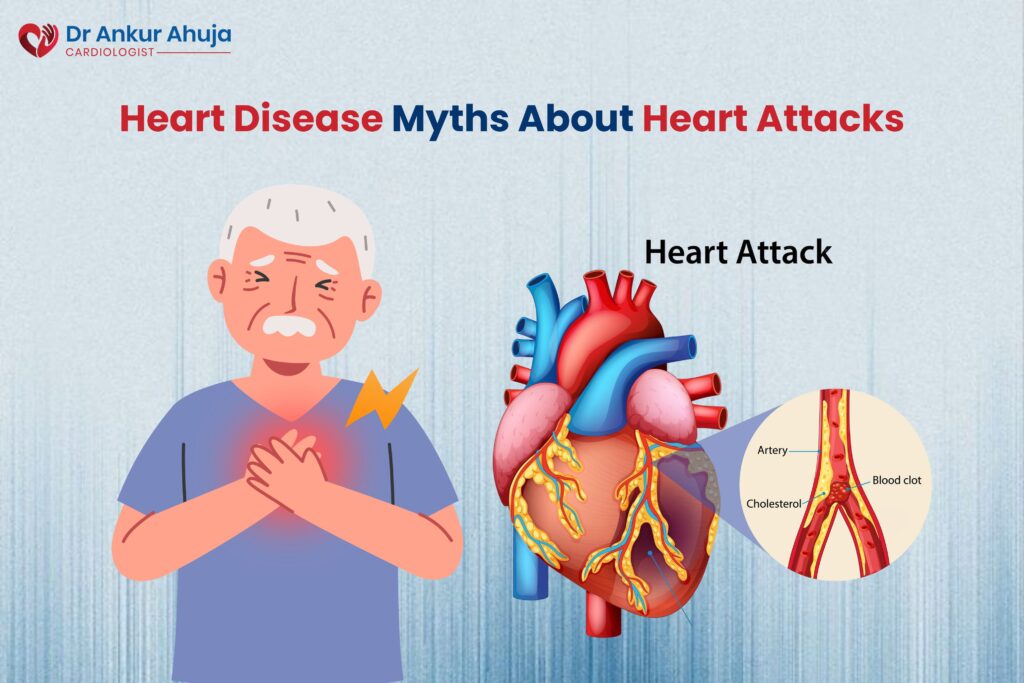
Yes, a heart attack with normal cholesterol is medically well-documented. Heart attacks often occur due to sudden plaque rupture or clot formation rather than elevated cholesterol alone.In some cases, unstable plaques may not significantly alter cholesterol readings, yet still pose serious danger.
Why Symptoms May Appear Without Warning
Heart disease can remain silent until an acute event occurs. By the time chest pain, shortness of breath, or fatigue develops, underlying arterial damage may already be advanced.
Heart Disease Myths and Cholesterol Myths and Facts
Separating Cholesterol Myths and Facts
Among the many cholesterol myths and facts, one truth is clear: cholesterol itself is not inherently harmful. It serves essential biological functions. The issue arises when cholesterol interacts with damaged vessel walls or inflammatory processes.
Focusing exclusively on cholesterol reduction without addressing systemic health limits prevention.
Why Broader Evaluation Is Necessary
True cardiovascular care requires a balanced view of lipid levels, blood pressure, metabolic markers and overall vascular function.
Heart Disease Myths Ignore the Full Range of Cardiovascular Risk Factors
Understanding Cardiovascular Risk Factors Holistically
Effective prevention involves assessing multiple cardiovascular risk factors such as age, family history, obesity, diabetes, hypertension, smoking status and physical inactivity.
Each factor contributes independently and collectively to long-term heart health outcomes.
Personalized Risk Assessment Matters
No two patients share identical risk profiles. Personalized evaluation allows cardiologists to design tailored prevention plans rather than generalized advice.
Preventive Cardiology: Moving Beyond Heart Disease Myths
Early Detection Saves Lives
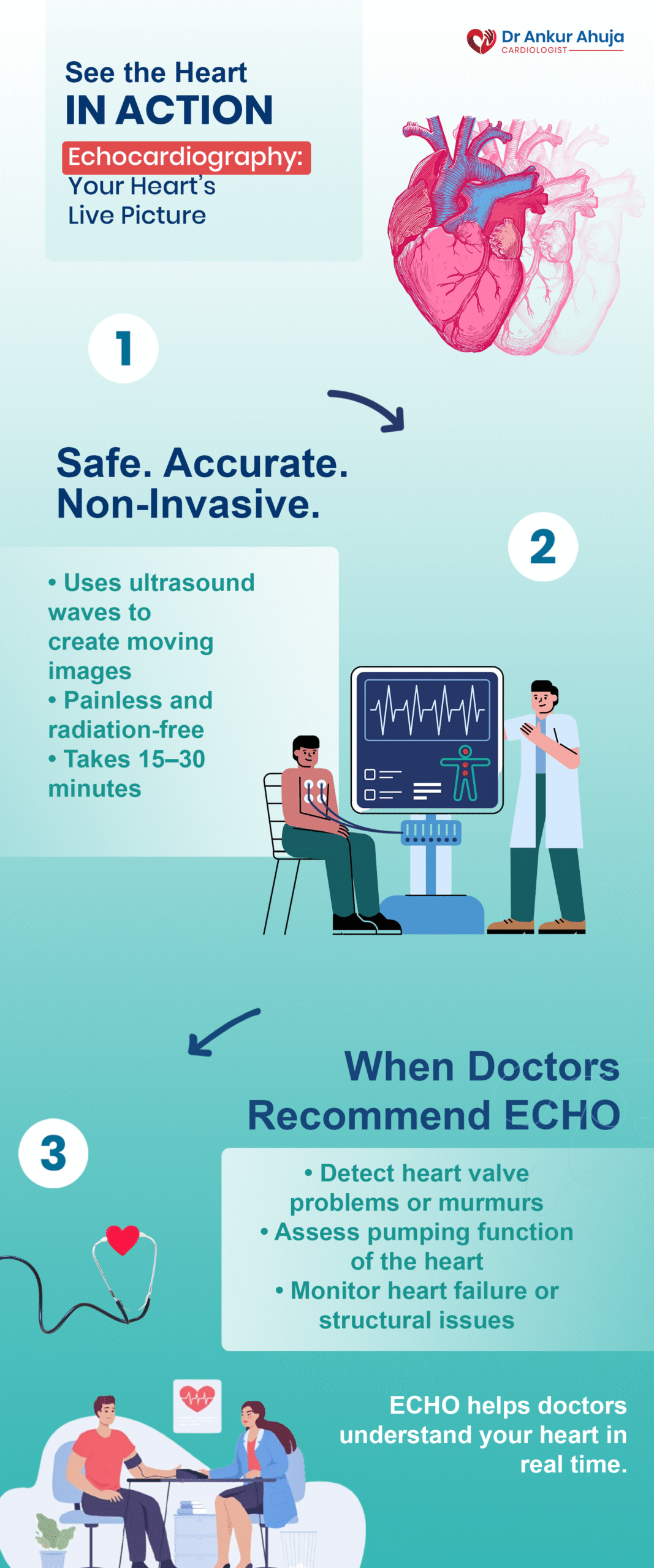
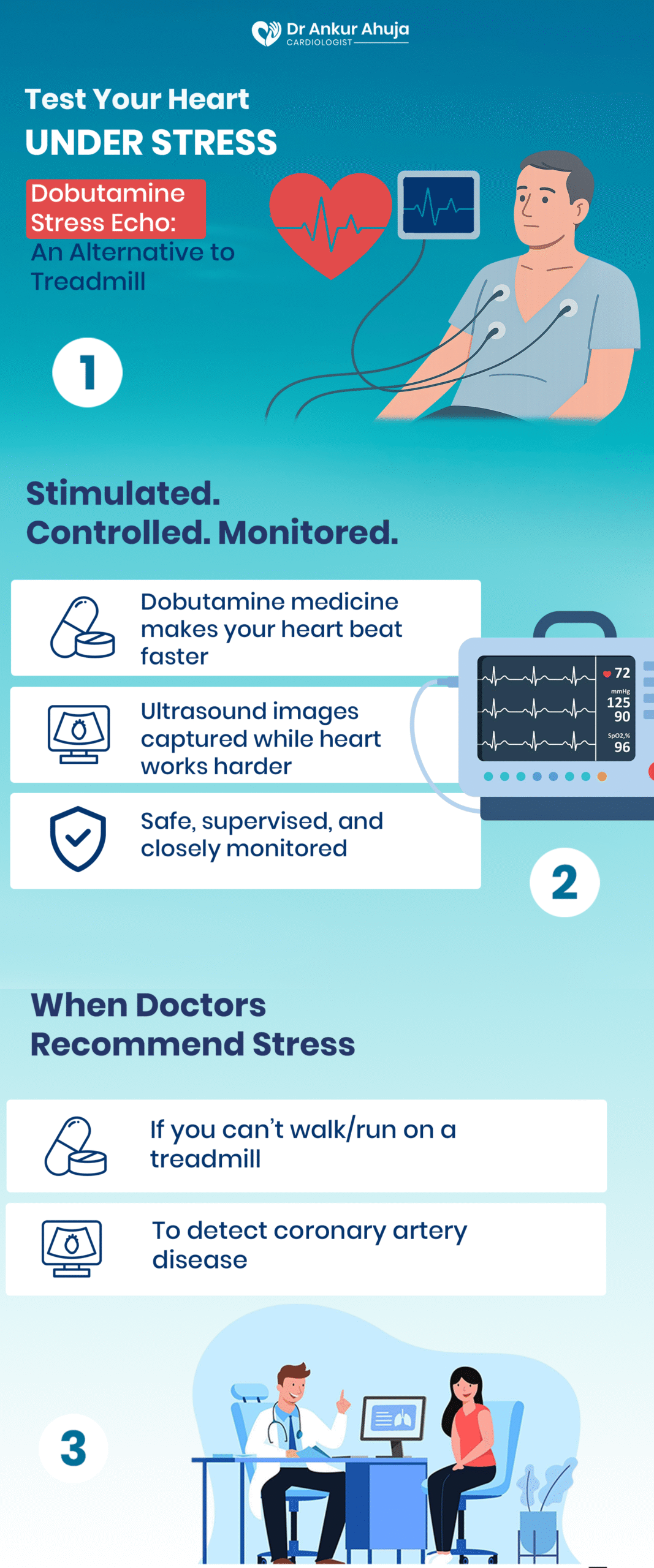
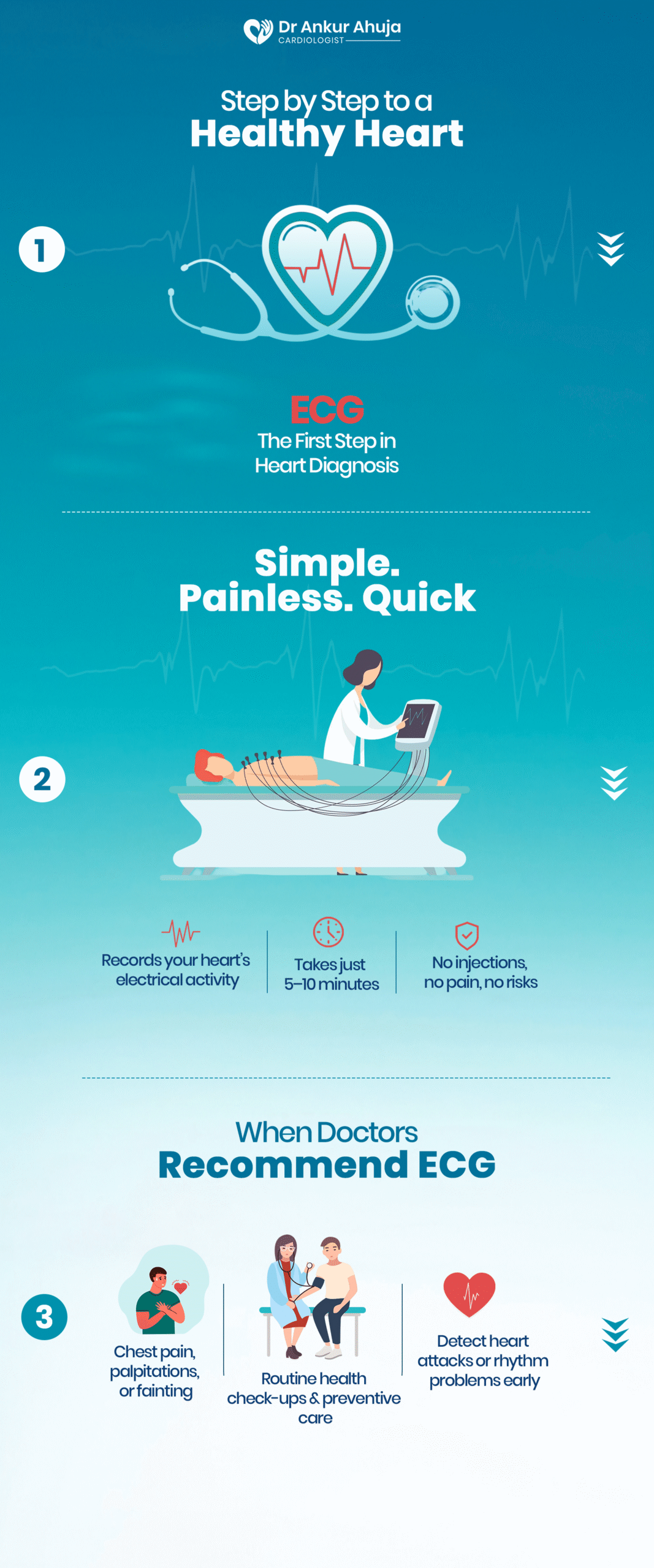
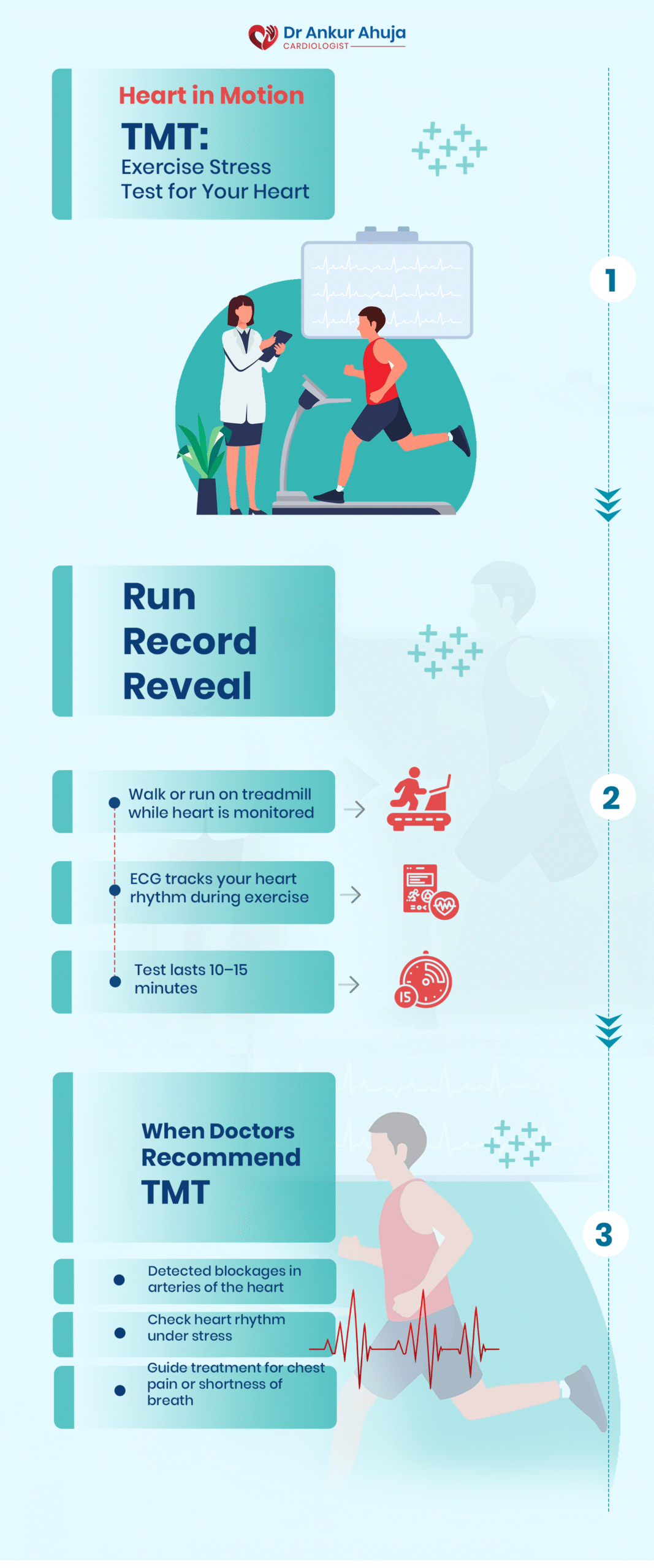
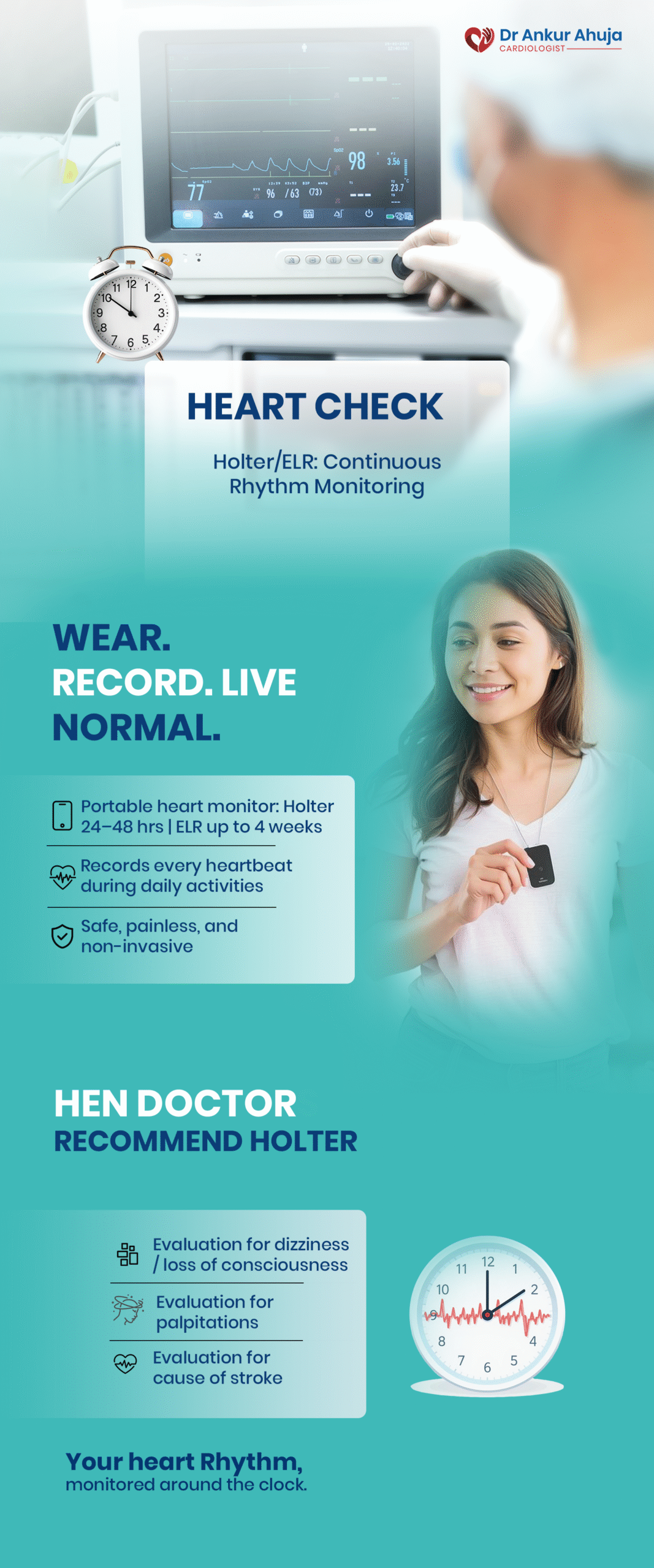
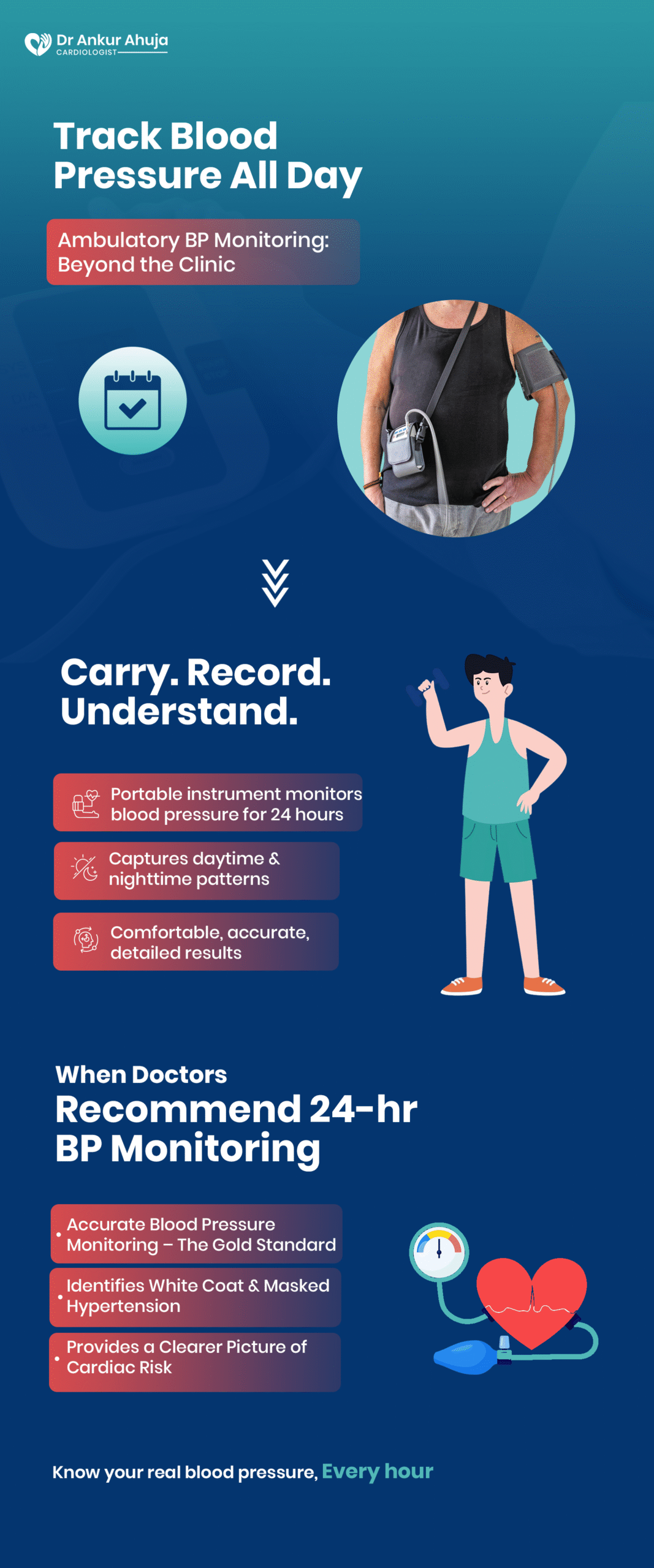
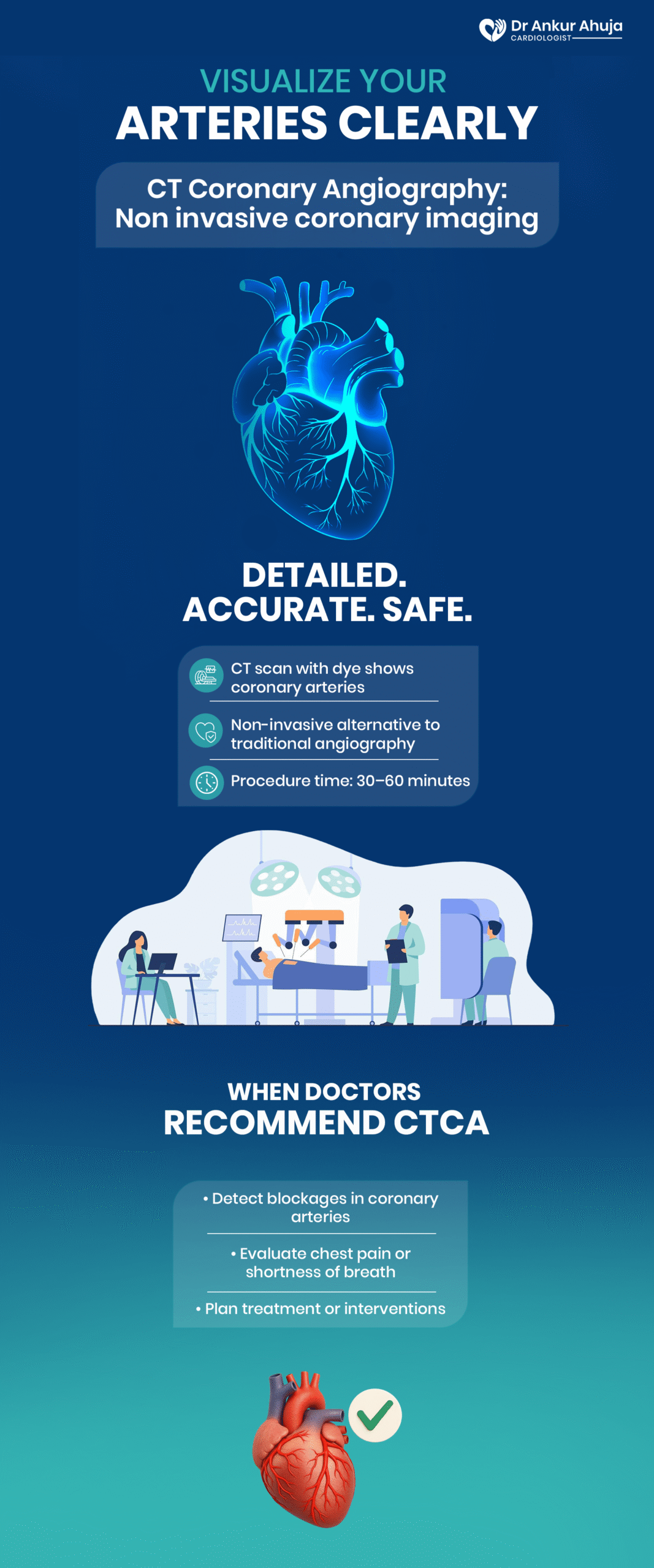
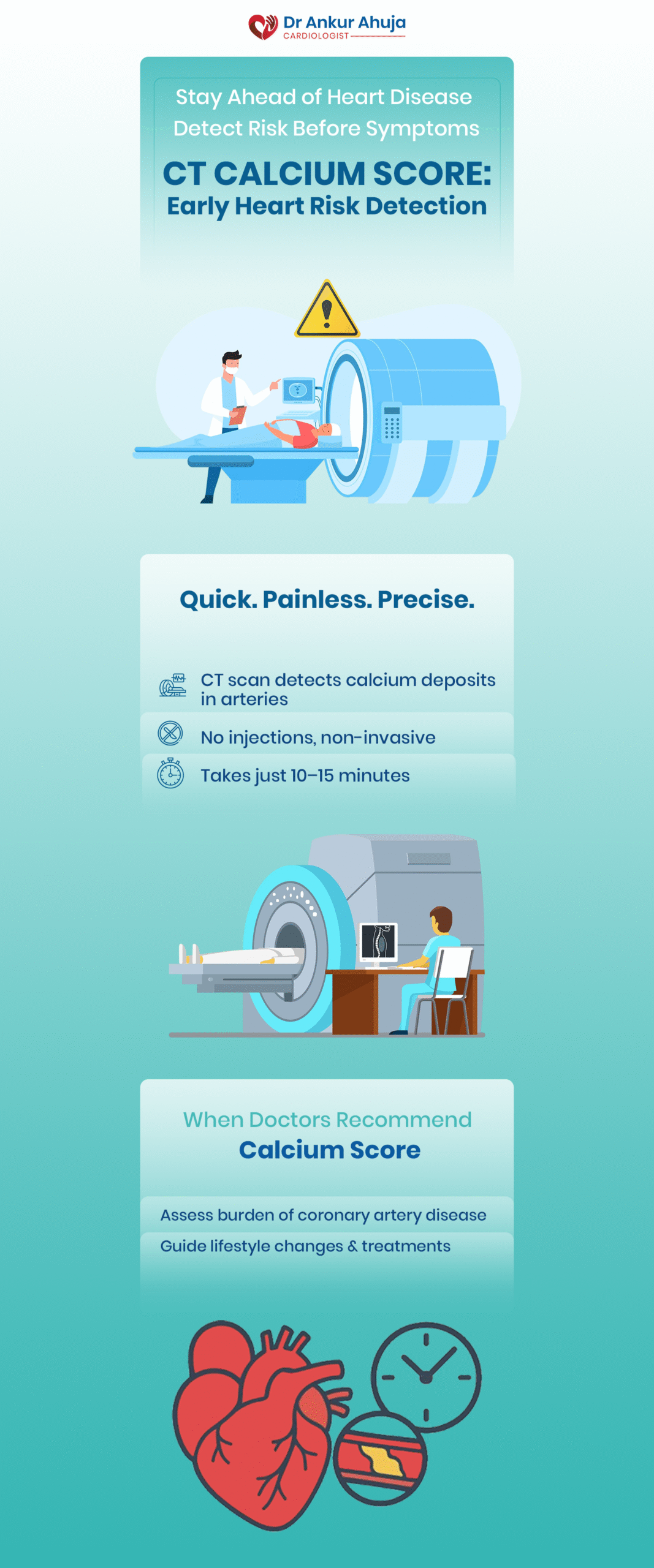
Preventive cardiology emphasizes early identification of risk. Advanced screening tools and imaging techniques help detect subclinical disease before symptoms develop.
The Importance of Expert Guidance
Guided assessment ensures that subtle warning signs are not overlooked. At Dr Ankur Ahuja, patient education and proactive management form the foundation of comprehensive heart care.
Lifestyle Changes That Reduce Risk
Small Daily Decisions Matter
Healthy eating patterns, regular physical activity, stress reduction and smoking cessation significantly reduce cardiovascular burden.
Consistency Over Perfection
Sustainable lifestyle habits create long-term protective effects, even when improvements are gradual.
Frequently Asked Questions (FAQs)
Q1: Are heart disease myths dangerous?
Yes. They can delay preventive action and create false reassurance.
Q2: Is cholesterol still important?
Yes, but it must be evaluated alongside other clinical factors.
Q3: Can healthy-looking individuals have heart disease?
Yes. Heart disease often progresses silently without obvious symptoms.
Q4: How often should heart health be evaluated?
Frequency depends on age, family history and existing conditions.
Q5: Can lifestyle modifications reverse heart risk?
They significantly reduce risk and improve long-term outcomes.
Q6: Should I consult a cardiologist even if my reports are normal?
If you have family history or symptoms, professional evaluation is advisable.
Conclusion
Believing that normal cholesterol guarantees heart safety is one of the most persistent heart disease myths. Cardiovascular health depends on a complex interplay of biological, geneticand lifestyle factors. Relying solely on cholesterol numbers can leave serious vulnerabilities undetected.
By understanding broader risk indicators and seeking comprehensive evaluation—under expert guidance such as that provided by Dr. Ankur Ahuja—individuals can move from reactive treatment to proactive prevention. Challenging misconceptions and embracing informed care are the most effective steps toward protecting long-term heart health.