Heart disease remains one of the leading causes of preventable illness and death globally. Despite growing awareness, millions of people still ignore early warning signs or delay medical testing until symptoms become severe. The truth is simple—early detection saves lives. This is where Regular Cardiac Screenings play a crucial role. They help identify risk factors, detect abnormalities, and prevent serious cardiac events before they occur.
In today’s fast-paced lifestyle, stress, improper diet, sedentary habits, lack of sleep, and genetic predisposition significantly contribute to cardiovascular problems. While many associate heart issues with older age, younger individuals are increasingly being diagnosed with hypertension, high cholesterol, and even heart attacks. The shift in lifestyle patterns makes preventive care more important than ever.
Regular Cardiac Screenings are not just tests; they are a proactive approach to protecting long-term health. When done at the right time and frequency, they can reduce the risk of sudden cardiac events, help manage lifestyle diseases, and enhance overall well-being.
Why Regular Cardiac Screenings Are Essential

Many heart conditions progress silently. High cholesterol, blocked arteries, or irregular heart rhythms may not exhibit noticeable symptoms until the condition becomes critical. By the time symptoms appear, intervention may be more complicated or less effective.
Regular Cardiac Screenings help identify:
- Early signs of coronary artery disease
- Abnormal heart rhythms
- High blood pressure (even without symptoms)
- Risk factors like high blood sugar or lipid imbalance
- Structural heart issues or valve abnormalities
These screenings provide a clear picture of how well the heart is functioning and whether preventive measures or medical treatment is needed.
Key Benefits of Regular Cardiac Screenings
1. Early Detection of Risk Factors
Even if you feel healthy, your heart may be under pressure due to silent risk factors such as high cholesterol or elevated blood sugar. Detecting these early means treatment can begin before complications arise.
2. Prevention of Severe Cardiac Events
Heart attack, stroke, and heart failure often result from conditions brewing unnoticed for years. With Regular Cardiac Screenings, doctors can catch warning signs and reduce the risk of life-threatening situations.
3. Personalized Lifestyle and Treatment Plan
No two hearts are the same. Screening helps create a customized plan that aligns with your medical history, lifestyle, habits, and genetic predispositions.
4. Peace of Mind
Knowing your heart health status reduces stress and uncertainty—especially if you have a family history of heart disease.
What Tests Are Included in Regular Cardiac Screenings?

Depending on age, risk level, and lifestyle, a cardiologist may recommend one or more of the following:
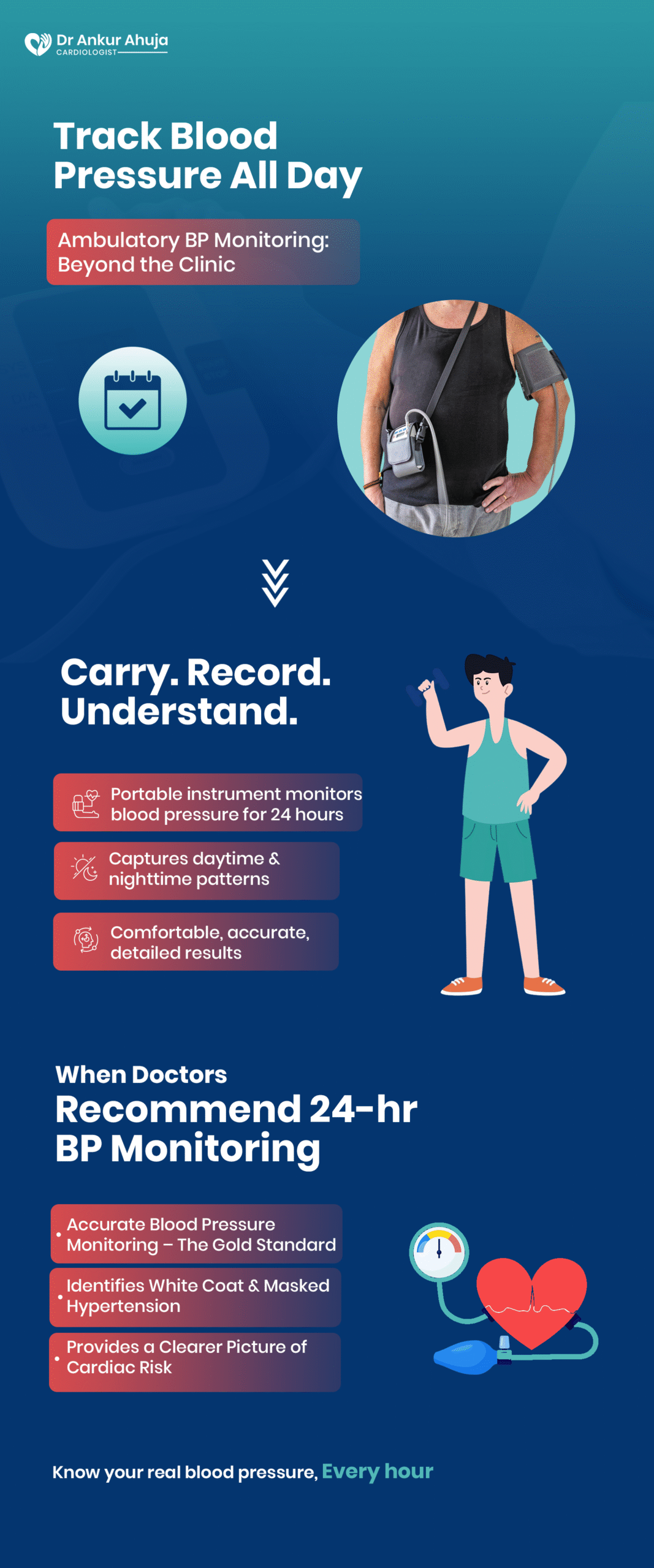
- Blood Pressure Check
- Lipid Profile Test
- Blood Sugar and HbA1c
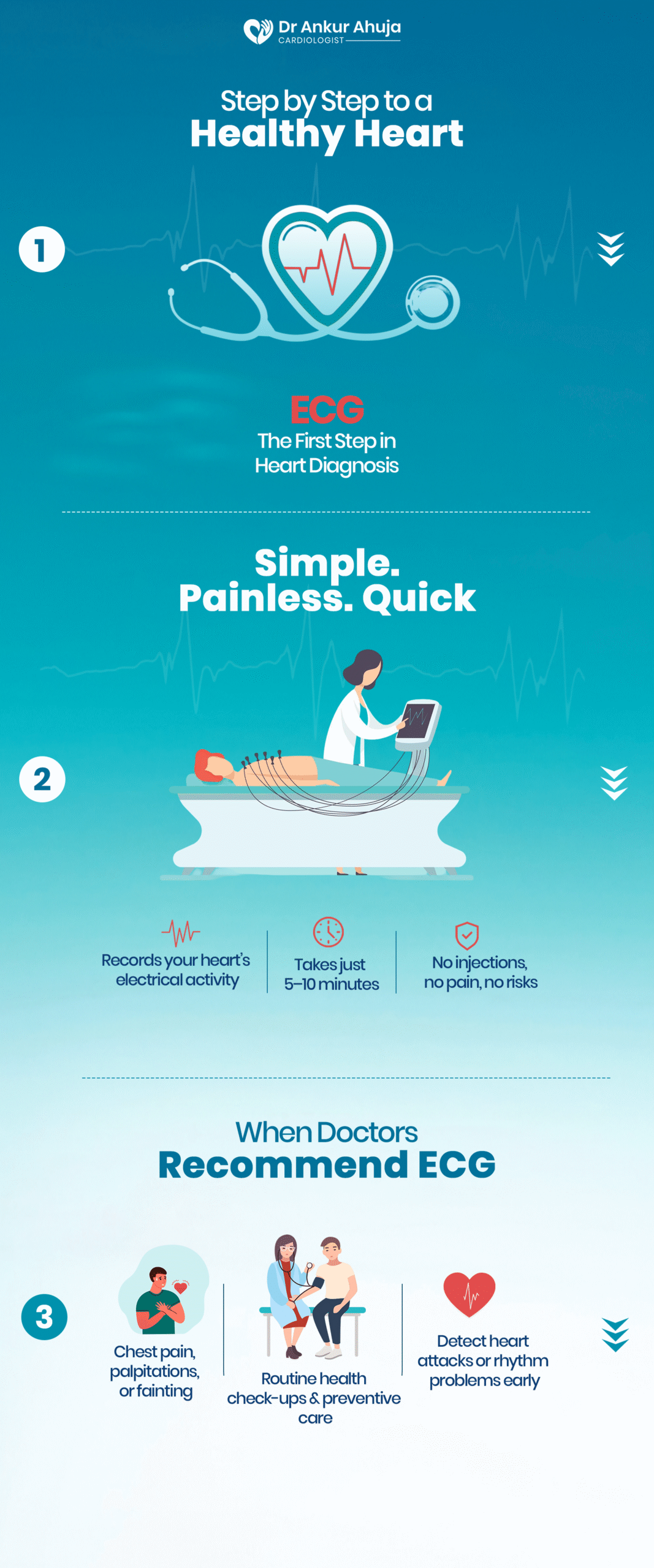
- Electrocardiogram (ECG)
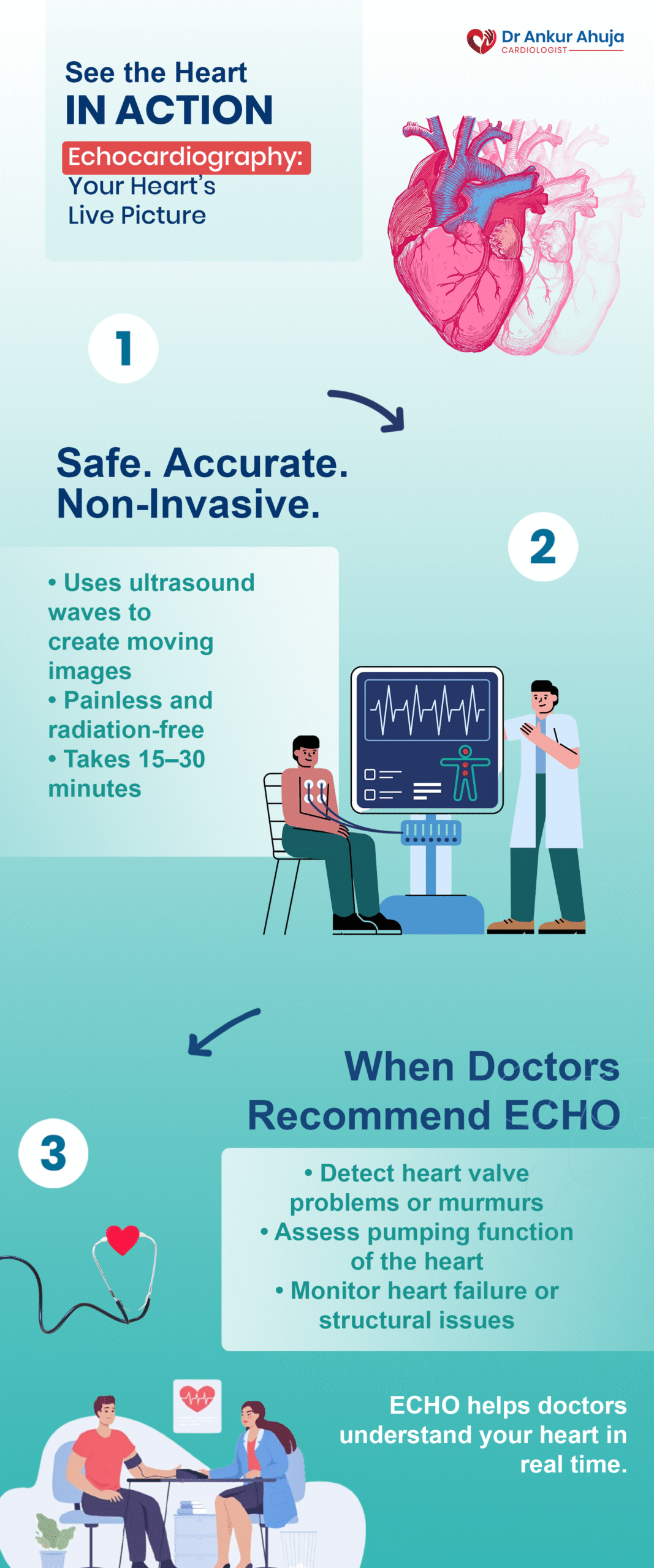
- Echocardiogram
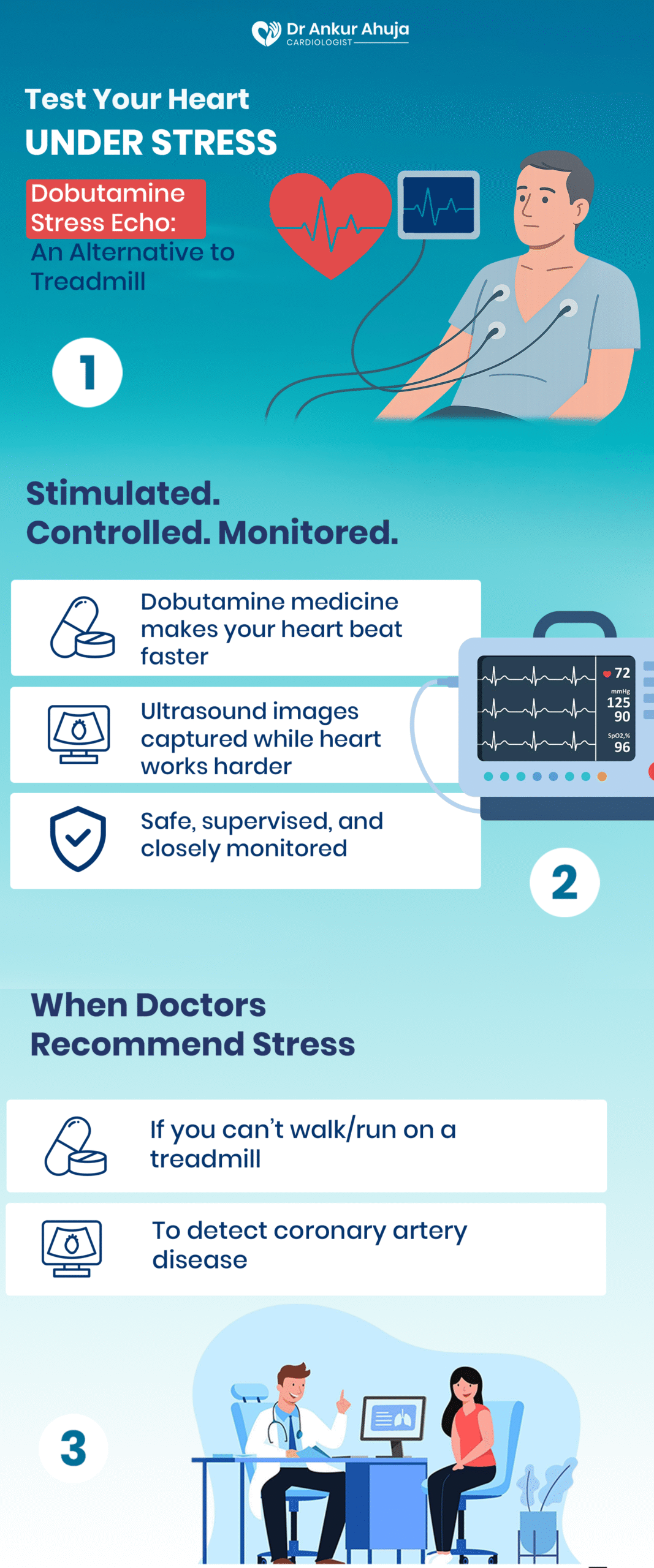
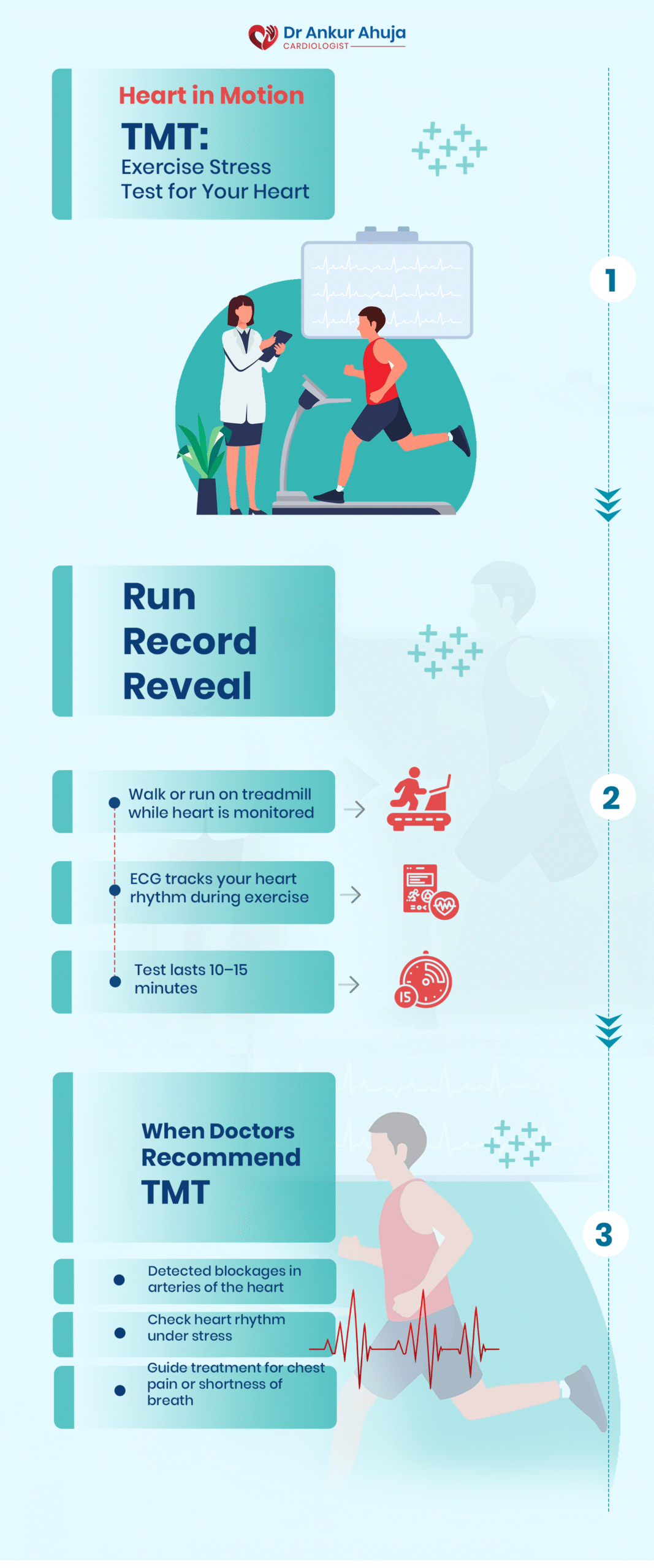
- Treadmill Stress Test
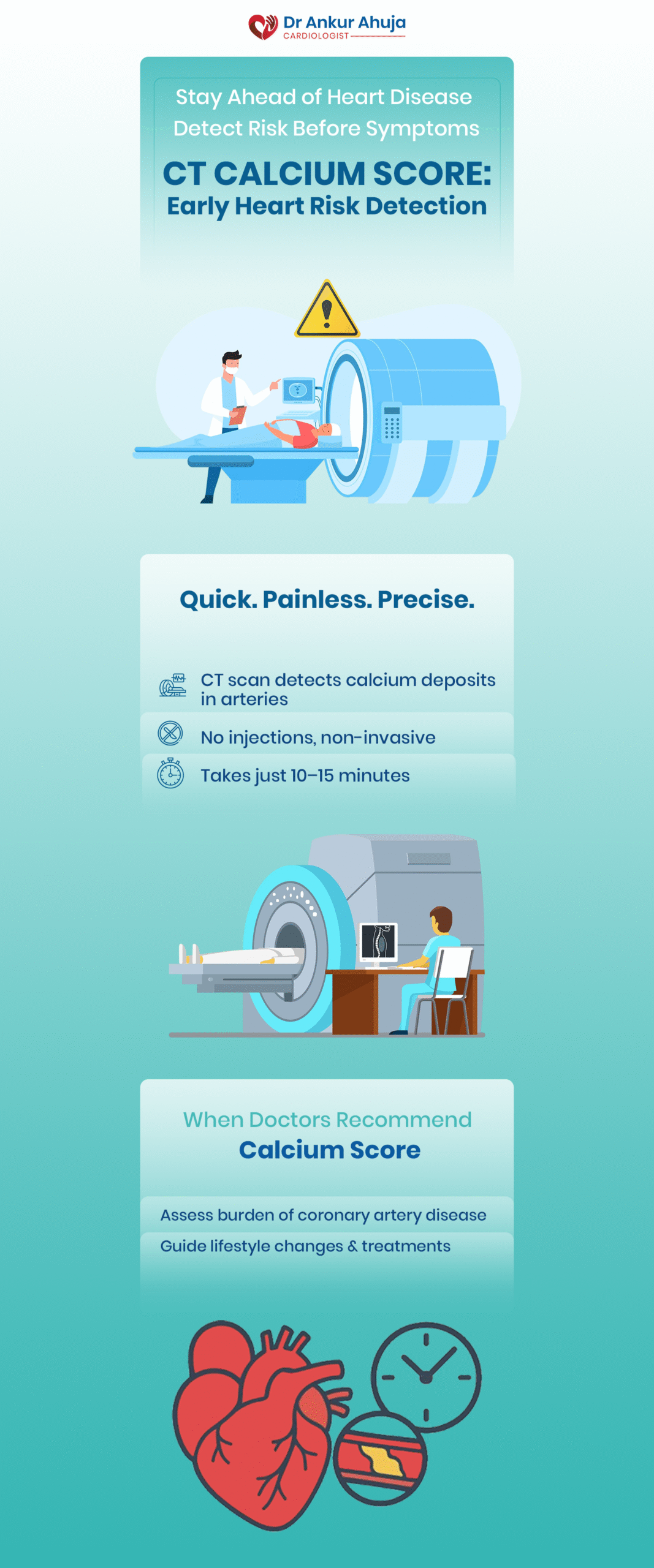
- Coronary Calcium Score
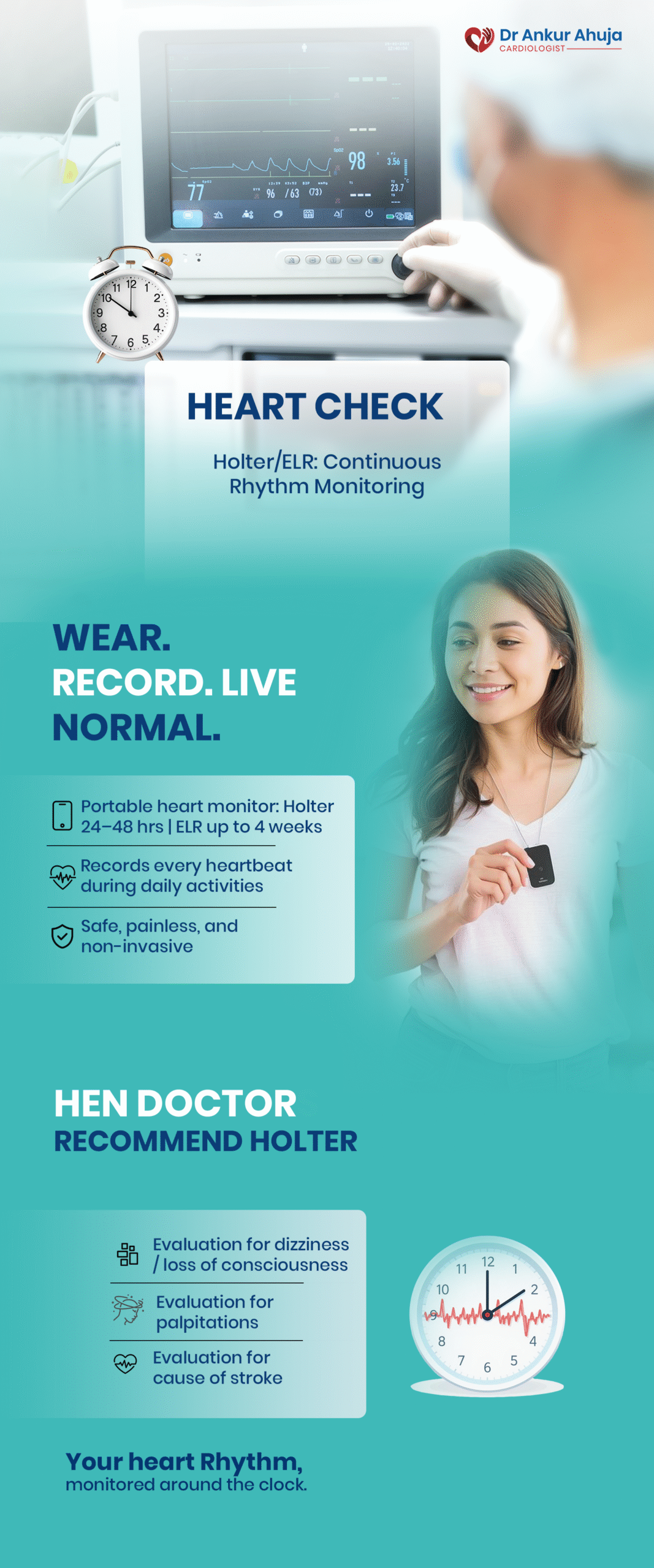
- Holter Monitoring
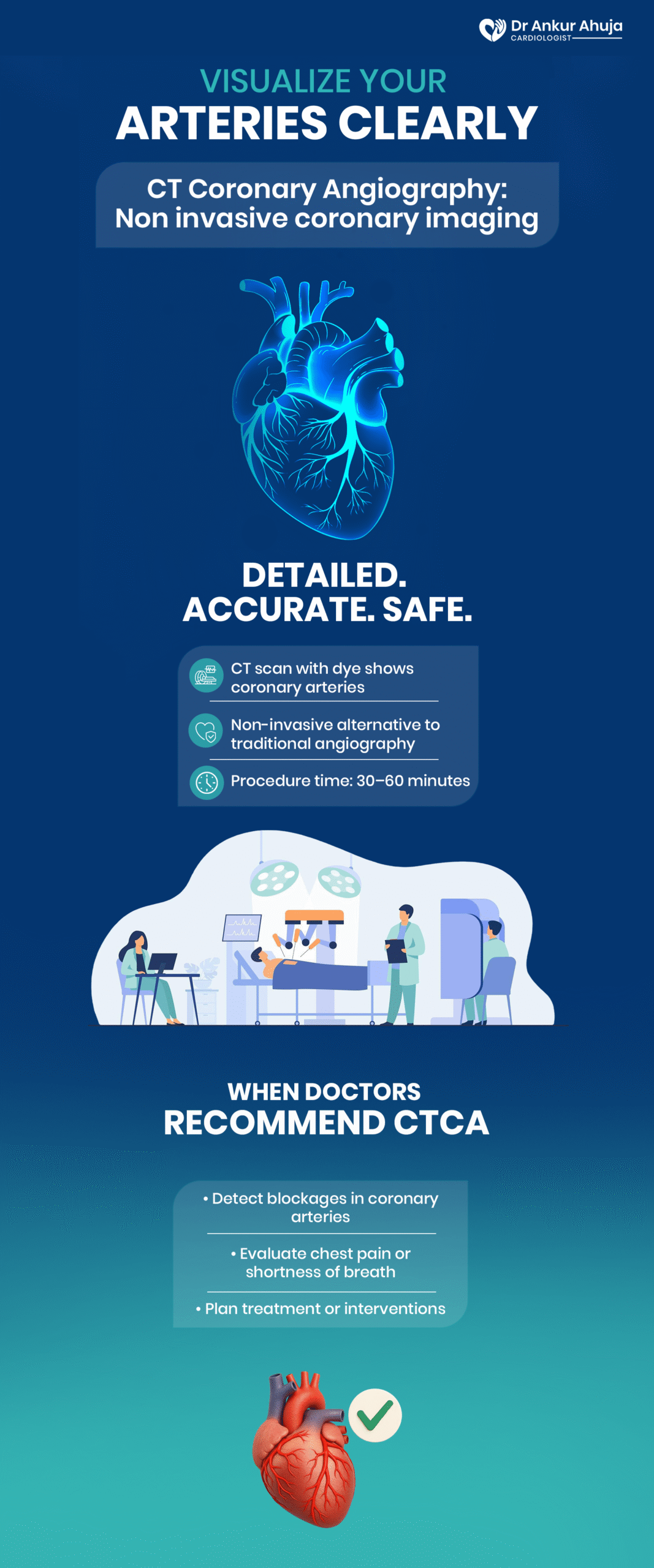
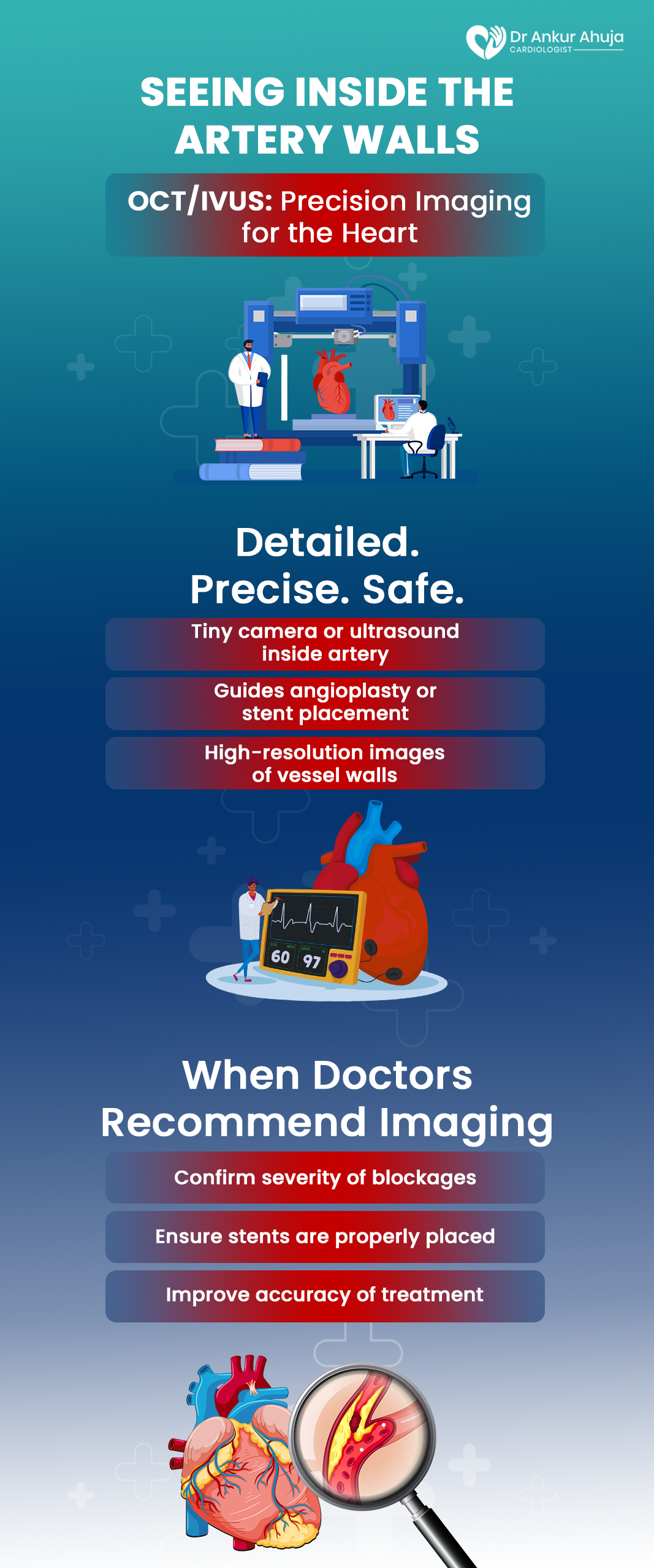
- Advanced Imaging (if needed)
These tests assess the electrical, structural, and functional aspects of the heart.
Who Should Get Regular Cardiac Screenings?
While everyone benefits from preventive screenings, certain individuals must prioritize them:
- People aged 30+ with sedentary lifestyles
- Anyone with a family history of heart disease
- Individuals diagnosed with diabetes, hypertension, or thyroid issues
- Smokers or frequent alcohol consumers
- Those experiencing unexplained fatigue, chest discomfort, breathlessness, or palpitations
- Individuals with obesity or high stress levels
If you fall into any of these categories, Regular Cardiac Screenings should become a routine—not an afterthought.
How Often Should You Get Screened?
- Ages 20–30: Every 2–3 years if healthy
- Ages 30–40: Every 1–2 years
- Ages 40+ or high-risk individuals: Annually or as advised by a cardiologist
Your doctor may adjust this frequency depending on results and lifestyle changes.
Regular Cardiac Screenings and Prevention of Lifestyle Diseases
Conditions like hypertension, diabetes, and obesity significantly increase the risk of cardiac issues. However, with periodic screenings, lifestyle modification, timely treatment, and monitoring, these risks can be controlled or reversed.
Small changes—like eating heart-healthy food, regular exercise, quality sleep, and stress management—go a long way when guided by screening results.
The Role of Advanced Technology in Cardiac Screening
Modern diagnostic tools provide faster, more accurate and non-invasive insights into heart health. With the advancement of AI-assisted reporting, 3D imaging, and early biomarkers, Regular Cardiac Screenings have become more efficient and reliable than ever.
Early detection paired with the right medical support ensures better outcomes and improved quality of life.
Conclusion: Take Charge of Your Heart Health
Heart disease is preventable, treatable, and manageable—when detected early. Waiting for symptoms or ignoring risk factors may result in irreversible damage. Choosing Regular Cardiac Screenings is choosing life, longevity, and health.
Your heart works for you every second of your life. It deserves regular care.