Heart disease caused by blocked arteries is one of the most common health problems in the world. Doctors often recommend angioplasty to restore blood flow to the heart when plaque builds up in the coronary arteries and blocks blood flow. But not every angioplasty procedure is the same. Patients can better understand their treatment options if they know the difference between normal and complex angioplasty.
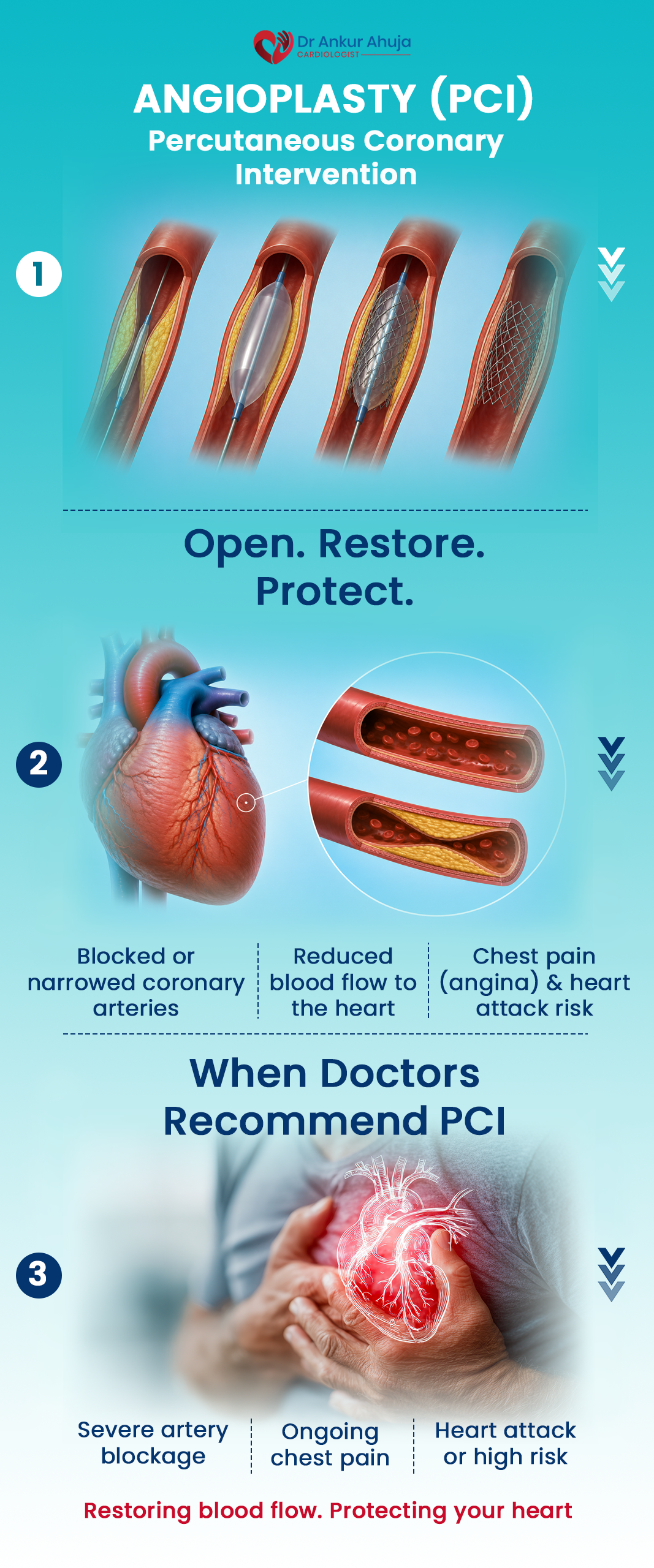
Angioplasty is a minimally invasive procedure used to open narrowed or blocked arteries. It involves inserting a small balloon through a catheter and inflating it inside the artery to restore blood flow. In many cases, a stent is also placed to keep the artery open.
While standard angioplasty is suitable for relatively simple blockages, some patients require more advanced procedures when the arteries are severely narrowed or have complicated conditions. This is where complex angioplasty becomes necessary.
Dr. Ankur Ahuja, a cardiologist, says that the best way to treat a blockage depends on a number of things, such as how bad it is, where the artery is and how healthy the patient is overall. This article will look at the main differences between normal and complex angioplasty, when each type of surgery is best and what patients can expect during and after the procedure.
Understanding Angioplasty and Its Purpose
Angioplasty is one of the most widely used treatments for coronary artery disease. It helps restore blood flow to the heart and reduces symptoms such as chest pain and shortness of breath.
What Normal Angioplasty Is
To understand normal vs complex angioplasty, it is important to first know what normal angioplasty is.
Normal angioplasty is typically performed when a patient has a relatively straightforward blockage in a coronary artery. During the procedure:
- A catheter is inserted into a blood vessel, usually through the wrist or groin.
- The catheter is guided toward the blocked artery.
- A small balloon is inflated to widen the artery.
- A stent may be placed to keep the artery open.
This angioplasty procedure for blocked arteries is commonly performed in patients with moderate coronary artery narrowing.
Benefits of Standard Angioplasty
Normal angioplasty offers several advantages:
- Minimally invasive treatment
- Short hospital stay
- Quick recovery time
- Immediate improvement in blood flow
For many patients, this procedure effectively restores circulation and reduces symptoms of coronary artery disease.

What Complex Angioplasty Means
Some patients have more challenging artery blockages that require advanced techniques.
What Is Complex Angioplasty
To understand what is complex angioplasty, it is important to know that the procedure is used when artery blockages are more complicated.
Complex angioplasty involves treating:
- Multiple blockages
- Severely calcified arteries
- Blockages in critical artery branches
- Chronic total occlusions (completely blocked arteries)
In these cases, the complex angioplasty procedure may require specialized tools and techniques to successfully open the artery.
Advanced Techniques Used in Complex Angioplasty
Cardiologists may use advanced technologies such as:
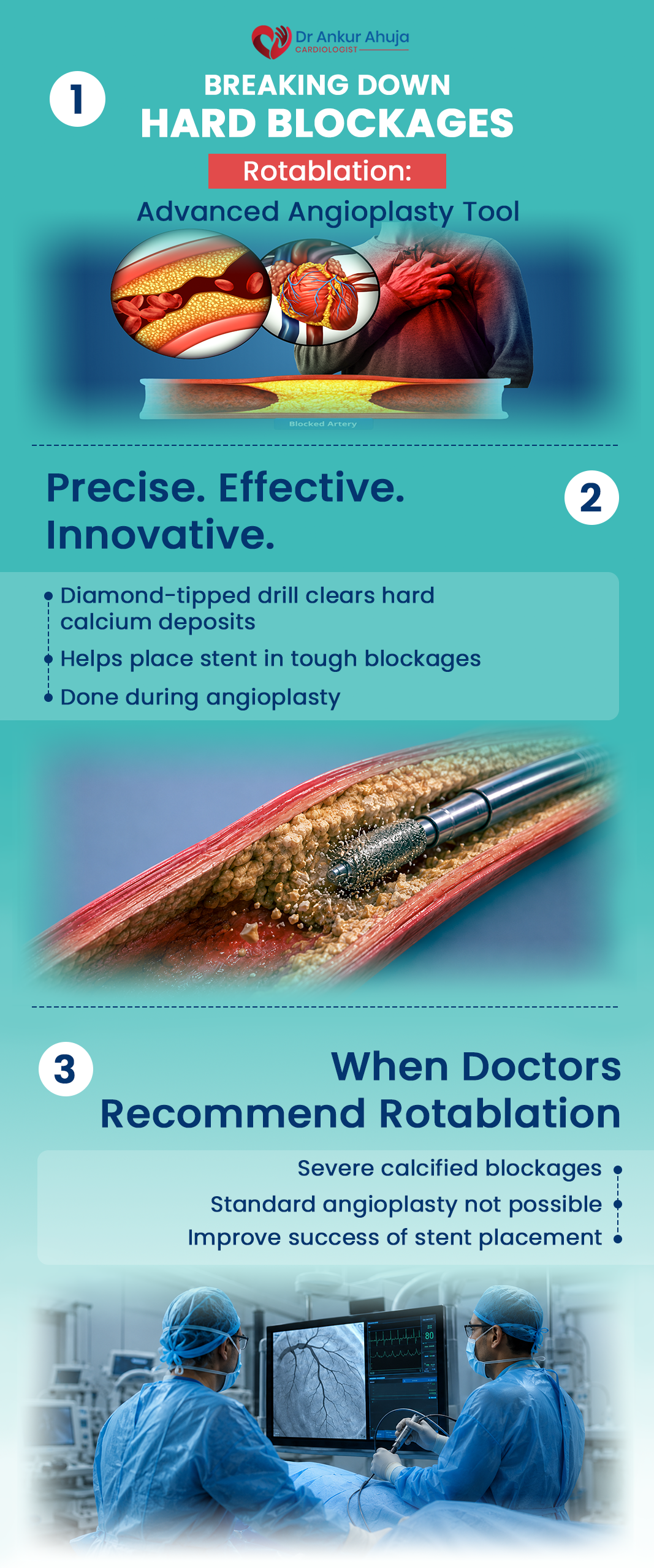
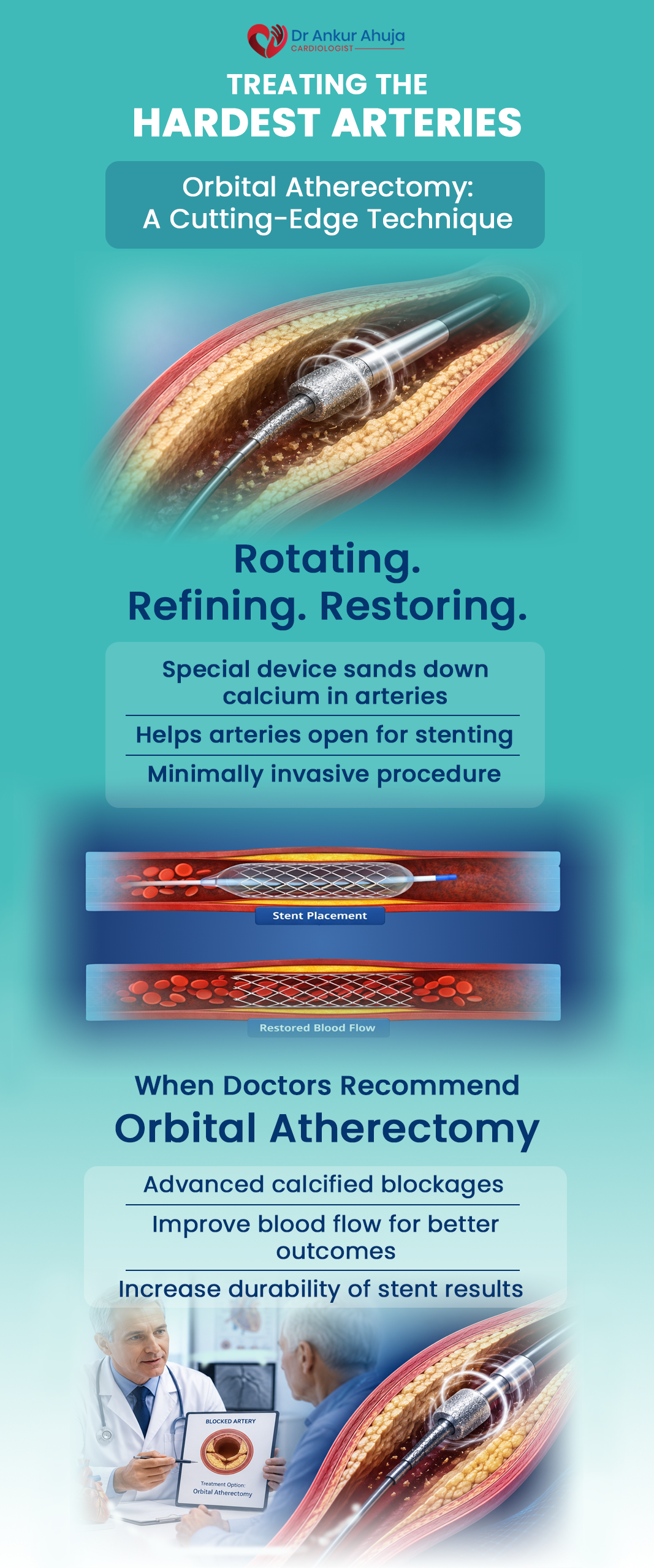
- Rotational atherectomy to remove calcium deposits
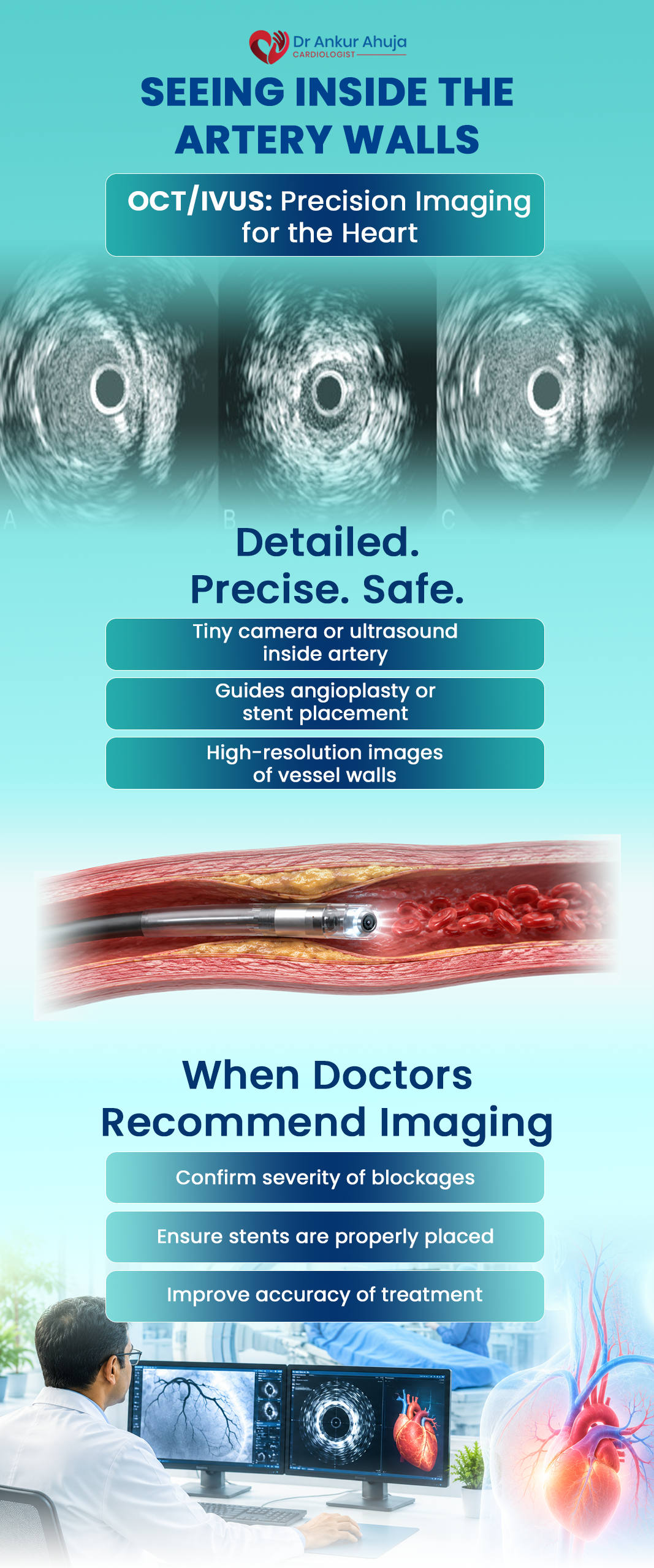
- Intravascular imaging for precise guidance
- Multiple stent placements
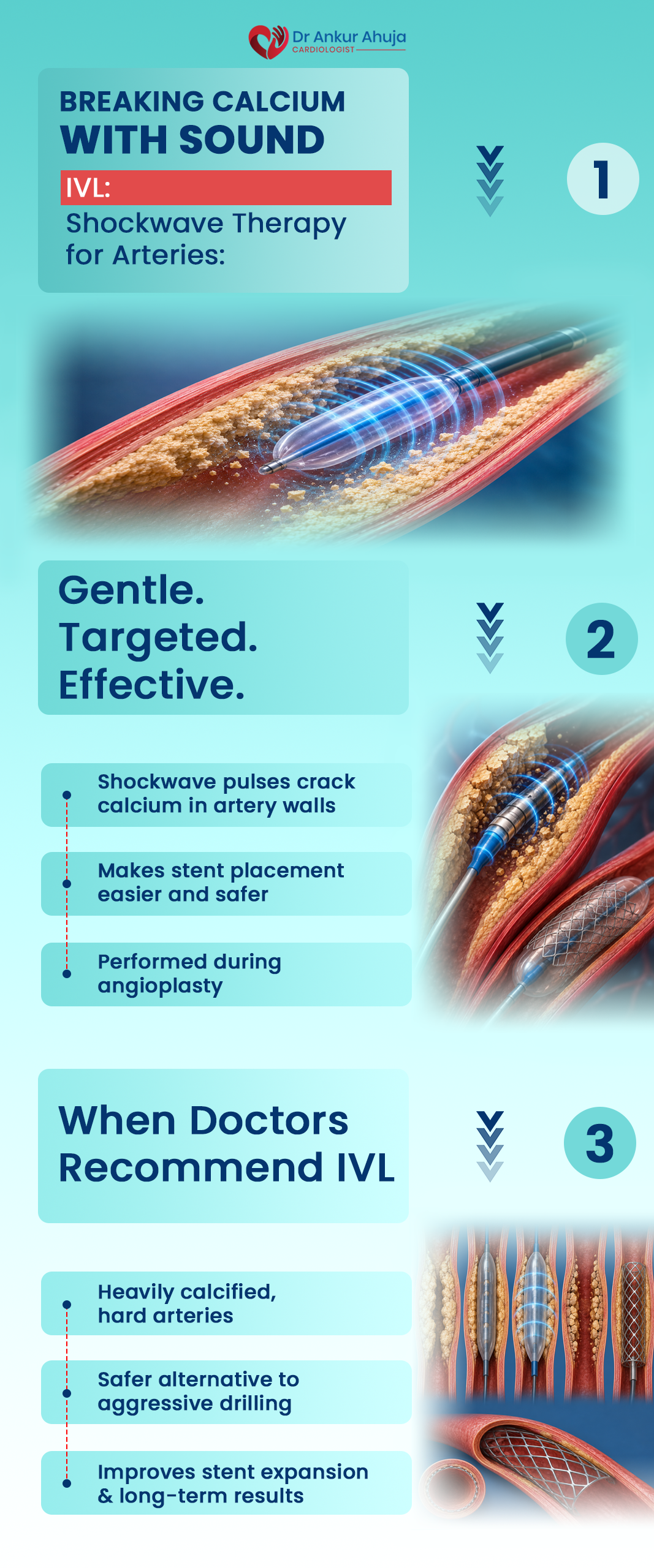
- Specialized balloons for resistant blockages
These techniques help ensure that even complicated artery blockages can be treated effectively.
Angioplasty Types and Differences
There are a few things that set standard angioplasty procedures apart from more complicated ones.
How bad the blockage is
Normal angioplasty is usually used to fix arteries that are too narrow.
When: complicated procedures are needed
• The blockage is long or bad.
• There are many arteries involved
• Calcium buildup makes the artery stiff
Location of Artery Blockage
Certain arteries are more difficult to treat because of their location. Blockages in major coronary branches may require more advanced interventional techniques.
Number of Arteries Affected
Patients with multiple blocked arteries may need complex coronary interventions rather than a single standard angioplasty.
These situations often require complex coronary angioplasty treatment performed by experienced cardiologists.
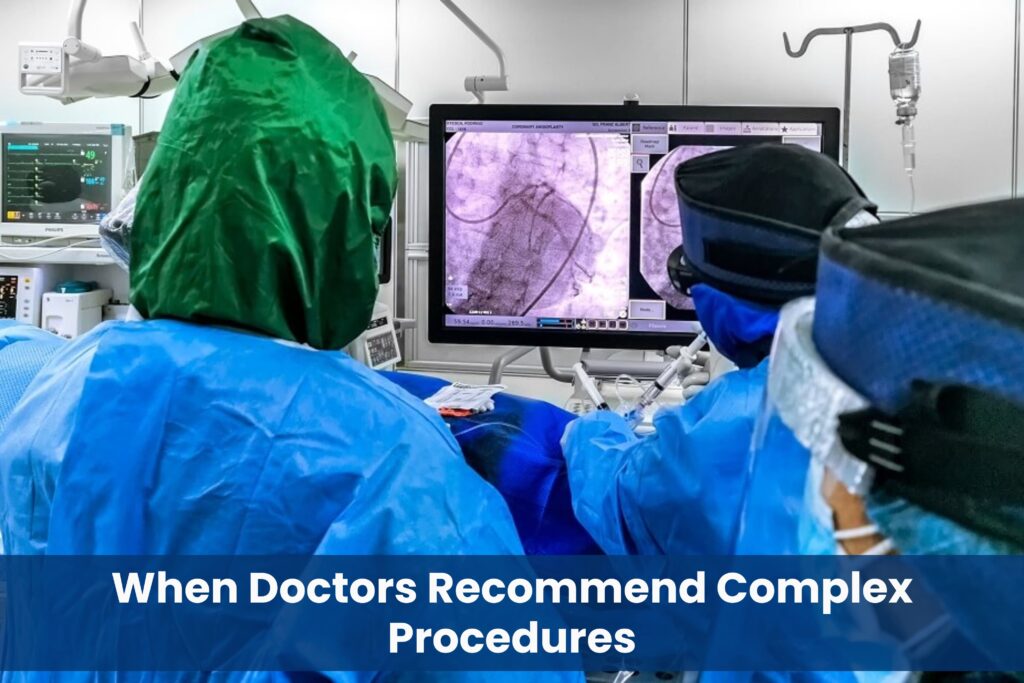
When Doctors Recommend Complex Procedures
Patients often wonder when is complex angioplasty needed instead of standard treatment.
When Doctors Recommend Complex Procedures
Doctors may recommend complex angioplasty when:
- The artery is completely blocked
- Severe calcium buildup is present
- Multiple blockages occur in one or more arteries
- Previous angioplasty procedures have failed
Determining the right procedure requires careful evaluation.
How Cardiologists Decide the Treatment Approach
One important factor is how cardiologists decide the treatment approach.
Cardiologists analyze several aspects before choosing the procedure:
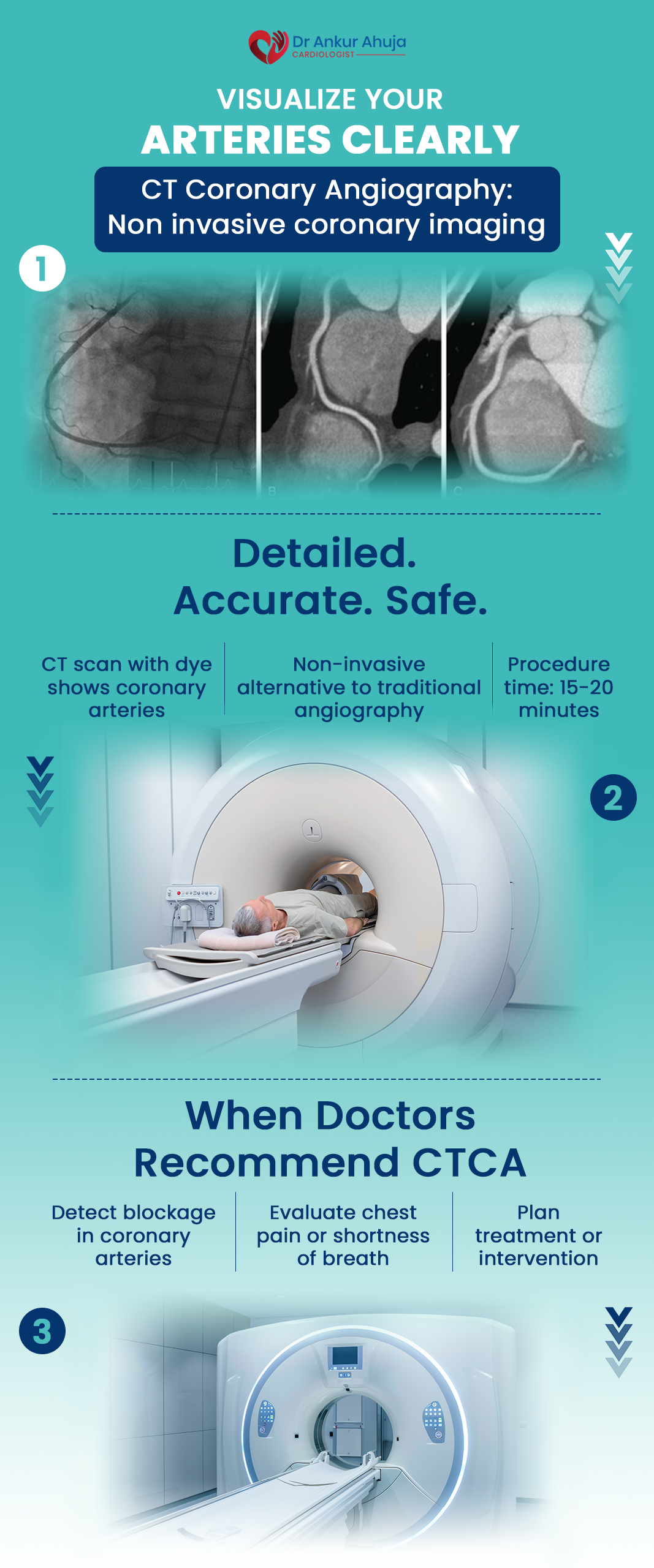
- Coronary angiography imaging results
- Severity and location of blockages
- Patient medical history
- Overall heart function
Experienced specialists such as Dr Ankur Ahuja cardiologist use advanced diagnostic tools to determine the safest and most effective treatment plan.
Risks, Recovery and Success Rates
Understanding risks, recovery and success rates is important for patients undergoing any heart procedure.
Risks Associated With Angioplasty
Although angioplasty is generally safe, potential risks include:
- Bleeding at the catheter insertion site
- Blood clot formation
- Artery re-narrowing
- Rare complications such as heart attack or stroke
Complex angioplasty procedures may involve slightly higher risks due to the severity of the blockage.
Recovery After Angioplasty
Recovery after angioplasty typically includes:
- Short hospital observation period
- Gradual return to normal activities
- Medication to prevent blood clots
- Lifestyle changes to improve heart health
Patients are usually advised to adopt healthy habits such as balanced diet, regular exercise and stress management.
Success Rates of Angioplasty
Both normal and complex angioplasty have high success rates when performed by experienced cardiologists.
Advanced technologies and improved interventional techniques have significantly increased the effectiveness of modern angioplasty procedures.

Importance of Early Diagnosis and Treatment
Early detection of coronary artery disease can significantly improve treatment outcomes.
Regular health checkups and diagnostic tests such as:
- ECG
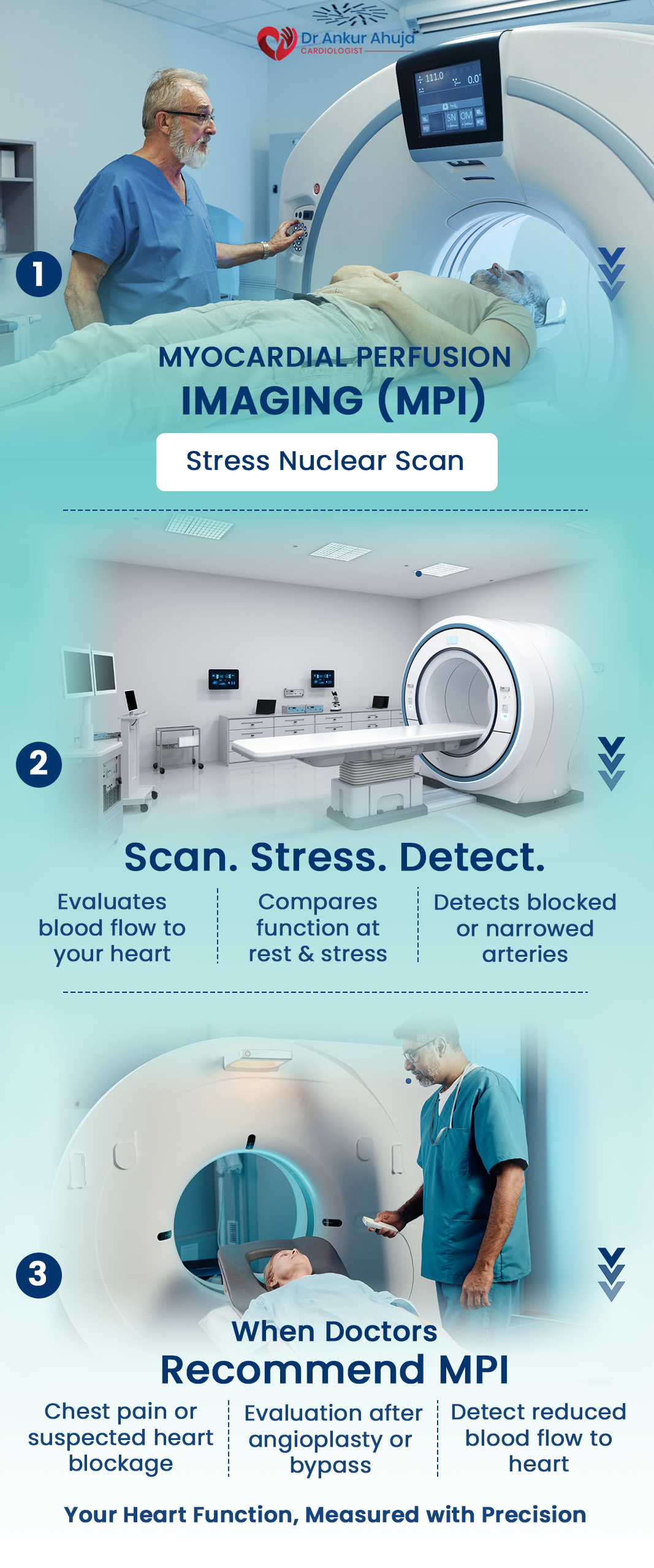
- Stress tests
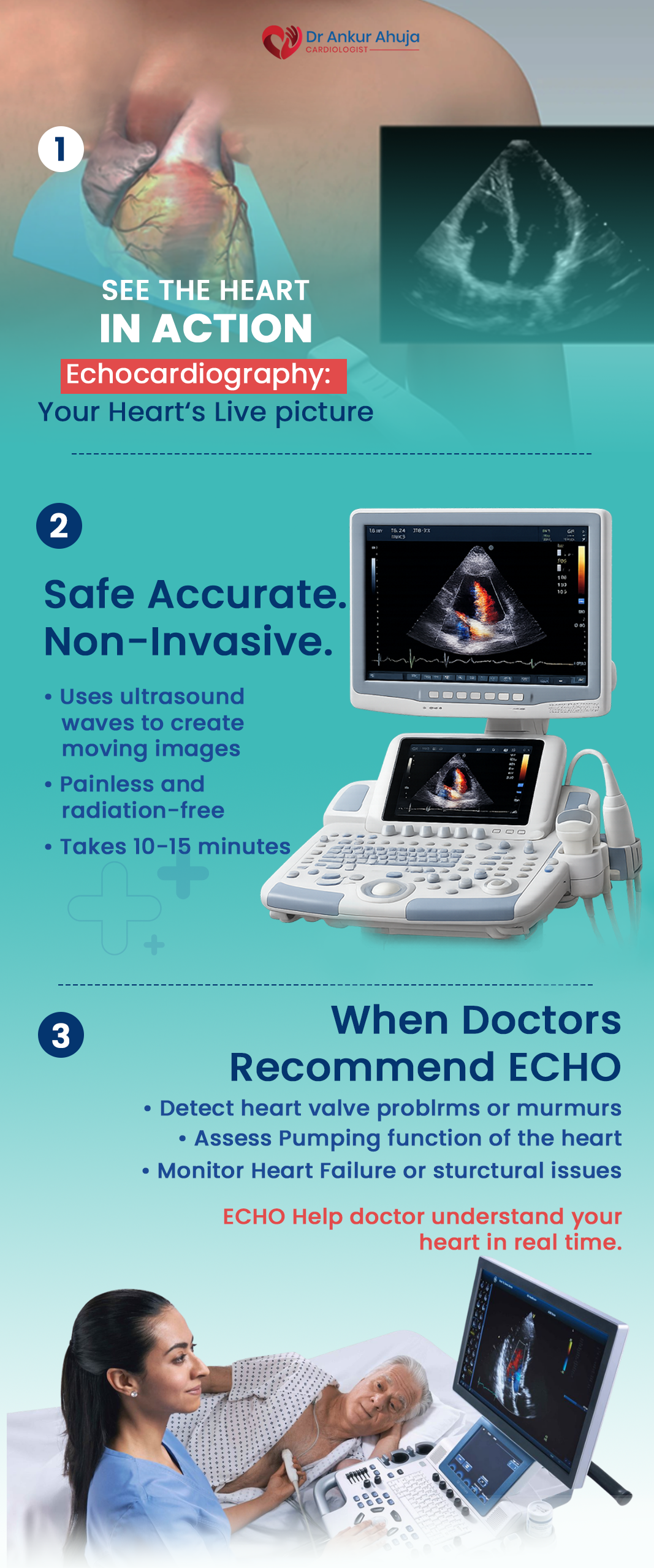
- Echocardiography
- Coronary angiography
help identify blockages before they become severe.
Consulting an experienced specialist like Dr Ankur Ahuja cardiologist ensures accurate diagnosis and personalized treatment planning.
Frequently Asked Questions
1. What is the difference between normal and complex angioplasty?
Normal angioplasty treats simple artery blockages, while complex angioplasty is used for severe or complicated blockages that require advanced techniques.
2. When is complex angioplasty required?
Complex angioplasty is usually recommended for patients with multiple blockages, calcified arteries or completely blocked coronary arteries.
3. Is complex angioplasty more risky?
Complex procedures may involve slightly higher risks, but they are still considered safe when performed by experienced cardiologists.
4. How long does recovery take after angioplasty?
Most patients recover within a few days to a week, although lifestyle changes and medications are often required for long-term heart health.
5. Can angioplasty cure heart blockage permanently?
Angioplasty restores blood flow, but maintaining heart health requires ongoing lifestyle changes and medical care.
6. Who should perform complex angioplasty procedures?
Complex coronary interventions should be performed by experienced cardiologists trained in advanced interventional cardiology techniques.
Conclusion
Patients can make better choices about their heart health if they know the difference between normal and complex angioplasty. Normal angioplasty works well for simple artery blockages, but complex angioplasty is needed for more difficult cases where there are multiple or very narrowed arteries. Both procedures play an important role in restoring blood flow and preventing serious problems like heart attacks. Even very complicated blockages in the coronary arteries can now be treated successfully thanks to advances in medical technology.Patients can be sure they get the right diagnosis, a treatment plan that works for them and the best care for their long-term heart health by seeing a cardiologist like Dr. Ankur Ahuja.