Heart disease is still one of the top causes of death around the world and severe blockages in the coronary arteries can be deadly if not treated right away. In a lot of cases, advanced medical procedures are needed to get blood flowing again and stop problems like heart attacks. Complex angioplasty is one of the best treatments for severe heart blockage that is available today.
Unlike standard procedures, complex angioplasty is designed to treat challenging cases where arteries are heavily blocked, calcified or completely occluded. These procedures require advanced techniques, specialized equipment and experienced cardiologists.
Dr. Ankur Ahuja, a cardiologist, says that early diagnosis and timely treatment are very important for managing severe heart conditions. Thanks to advances in interventional cardiology, many patients who were once thought to be at high risk can now be treated successfully without having to have open-heart surgery.
In this comprehensive guide, we will explore how complex angioplasty works, when it is recommended and why expert care is essential for achieving the best outcomes.
Understanding Severe Heart Blockage
Severe heart blockage occurs when coronary arteries become significantly narrowed or completely blocked, restricting blood flow to the heart muscle.
What Qualifies as Severe Heart Blockage
To understand treatment options, it is important to know what qualifies as severe heart blockage.
A blockage is considered severe when:
- Artery narrowing exceeds 70%
- Blood flow is critically reduced
- Multiple arteries are affected
- The artery is completely blocked (chronic total occlusion)
Such conditions can lead to chest pain, shortness of breath or heart attacks if not treated promptly.
Symptoms of Severe Coronary Blockage
Common symptoms include:
- Persistent chest discomfort
- Fatigue during minimal activity
- Shortness of breath
- Pain radiating to arms or jaw
Recognizing these symptoms early can help patients seek timely medical care.
What Is Complex Angioplasty
Understanding the Complex Angioplasty
Patients with advanced heart problems need to know what complex angioplasty is.
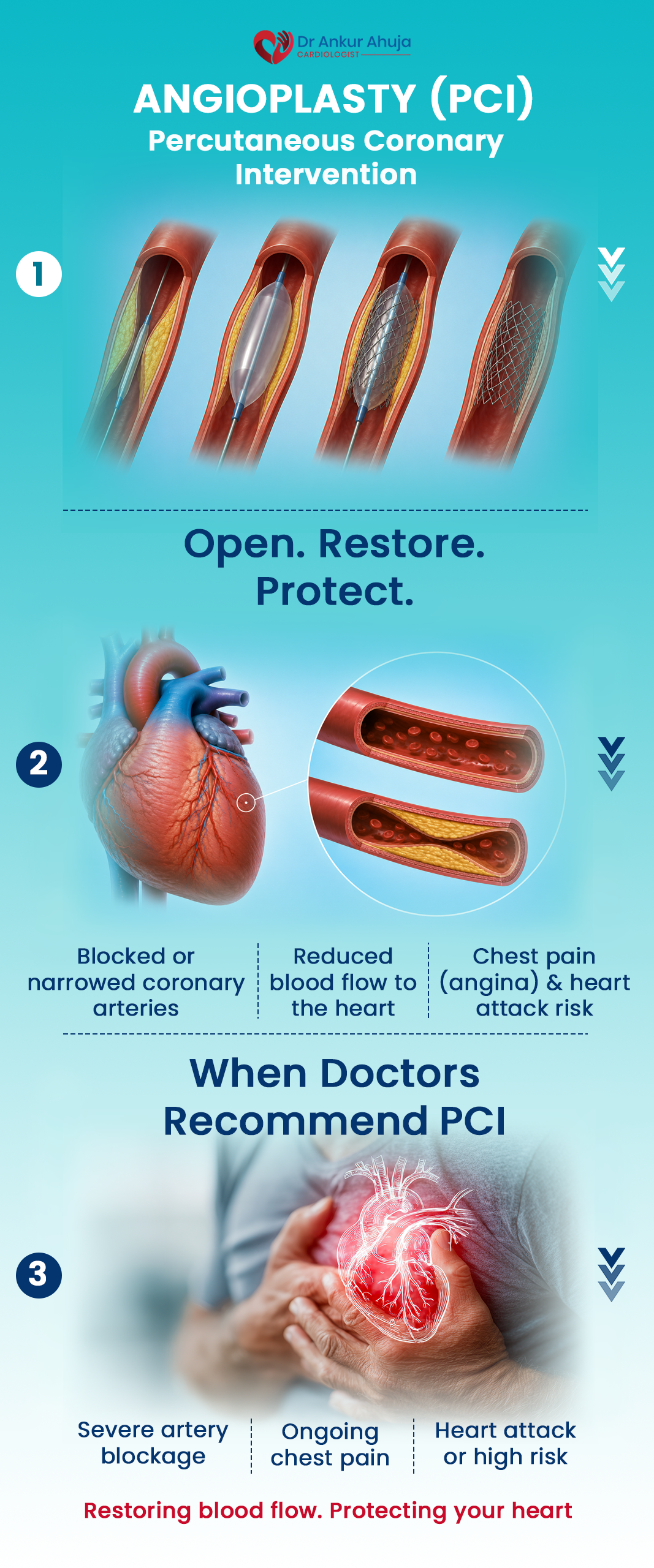
Complex angioplasty is a special kind of angioplasty that is used to treat hard-to-treat artery blockages that can’t be fixed with regular angioplasty methods. It uses advanced tools and techniques to safely and effectively open arteries.
People with severe or complicated coronary artery disease often get this kind of angioplasty to open blocked arteries.
How It Differs from Standard Angioplasty
Unlike simple procedures, complex angioplasty addresses:
- Long or multiple blockages
- Calcified artery walls
- Blockages at branching points
- Completely occluded arteries
These cases require greater precision and expertise.
When Complex Angioplasty Is Recommended
When Complex Angioplasty Is Recommended
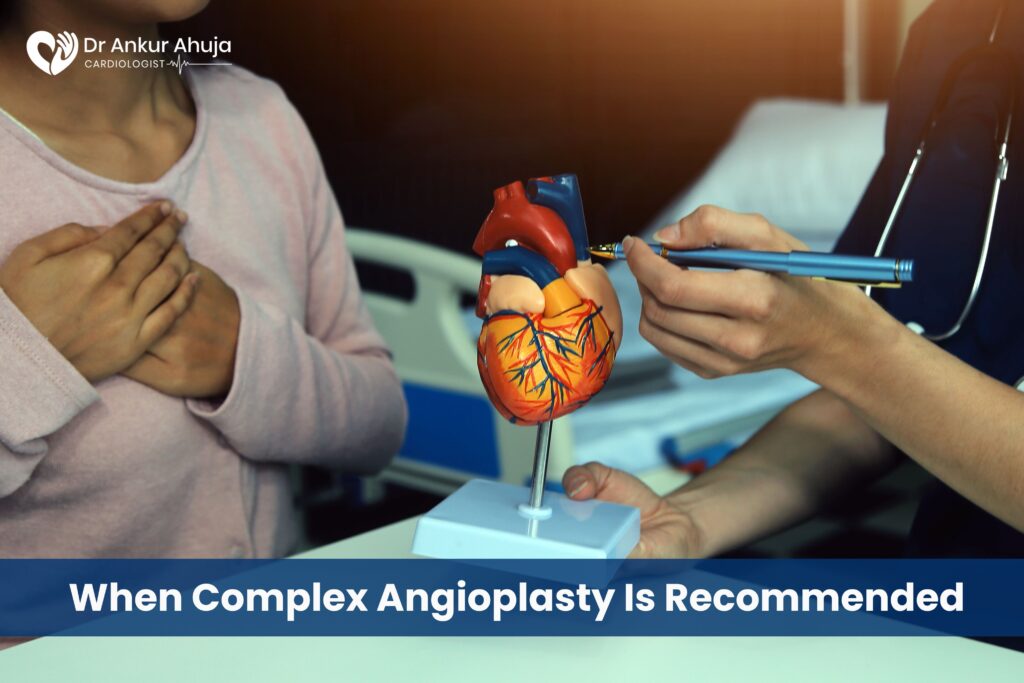
Doctors consider when complex angioplasty is recommended based on several clinical factors.
It is typically advised when:
- Blockages are too severe for standard angioplasty
- The artery is completely blocked
- Previous treatments have failed
- Surgery carries higher risks
When Is Complex Angioplasty Needed
Patients often ask when is complex angioplasty needed instead of bypass surgery.
The procedure may be preferred when:
- Minimally invasive treatment is possible
- The patient has multiple health conditions
- Advanced techniques can restore blood flow effectively
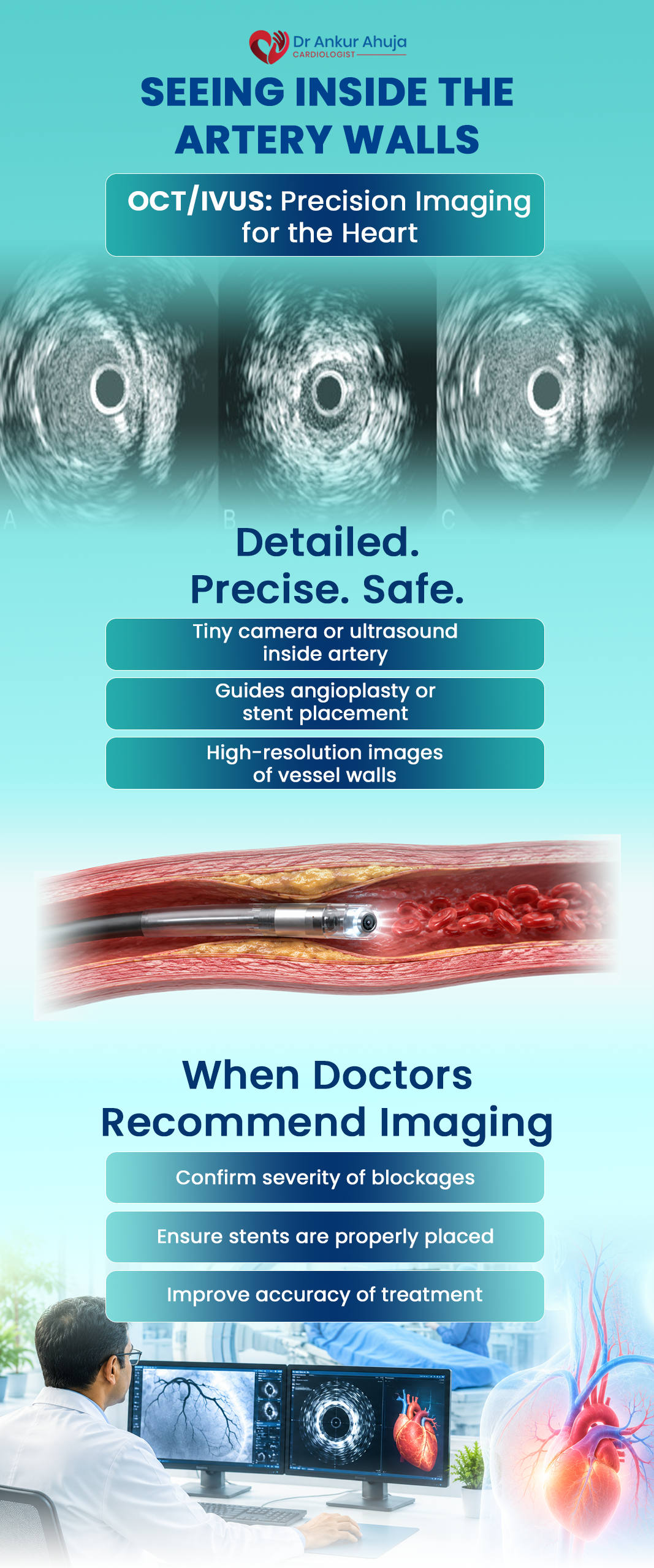
Deciding the right approach requires detailed imaging and expert evaluation.
Advanced Angioplasty Techniques Used
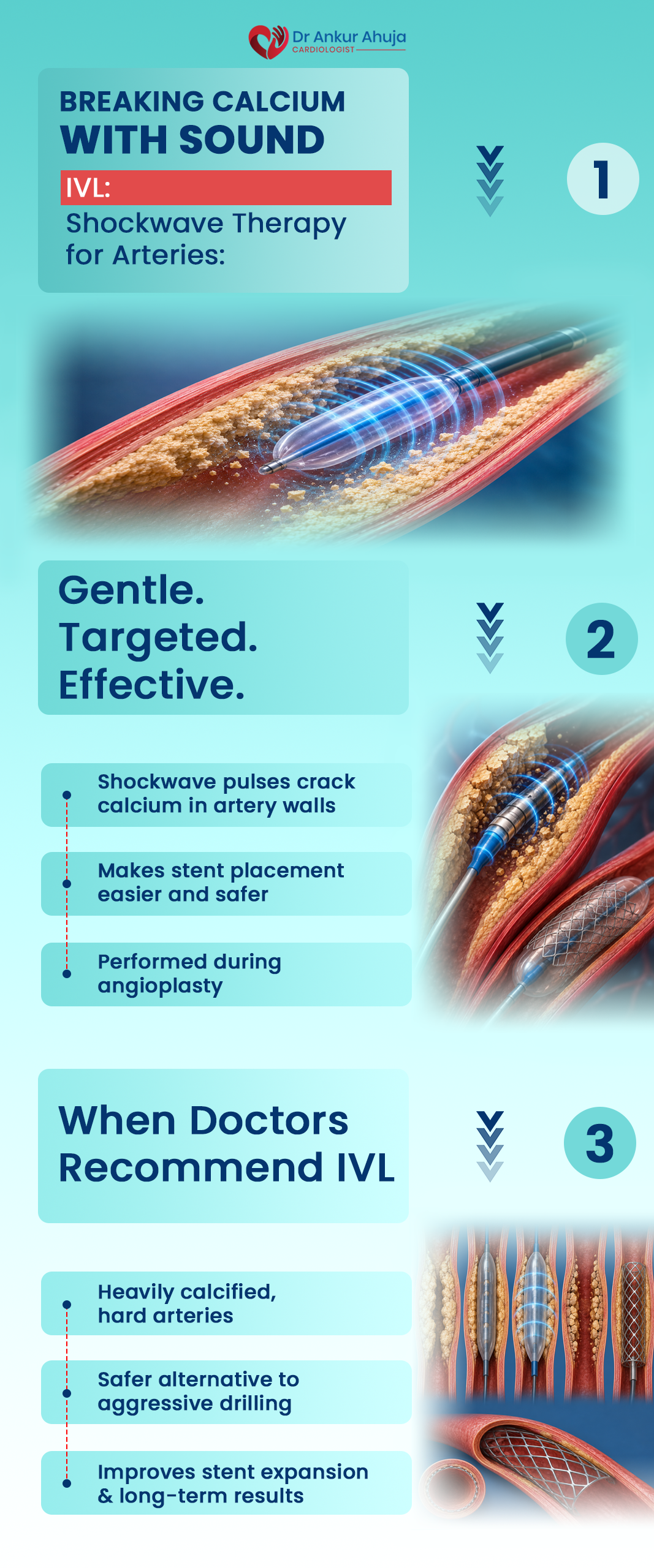
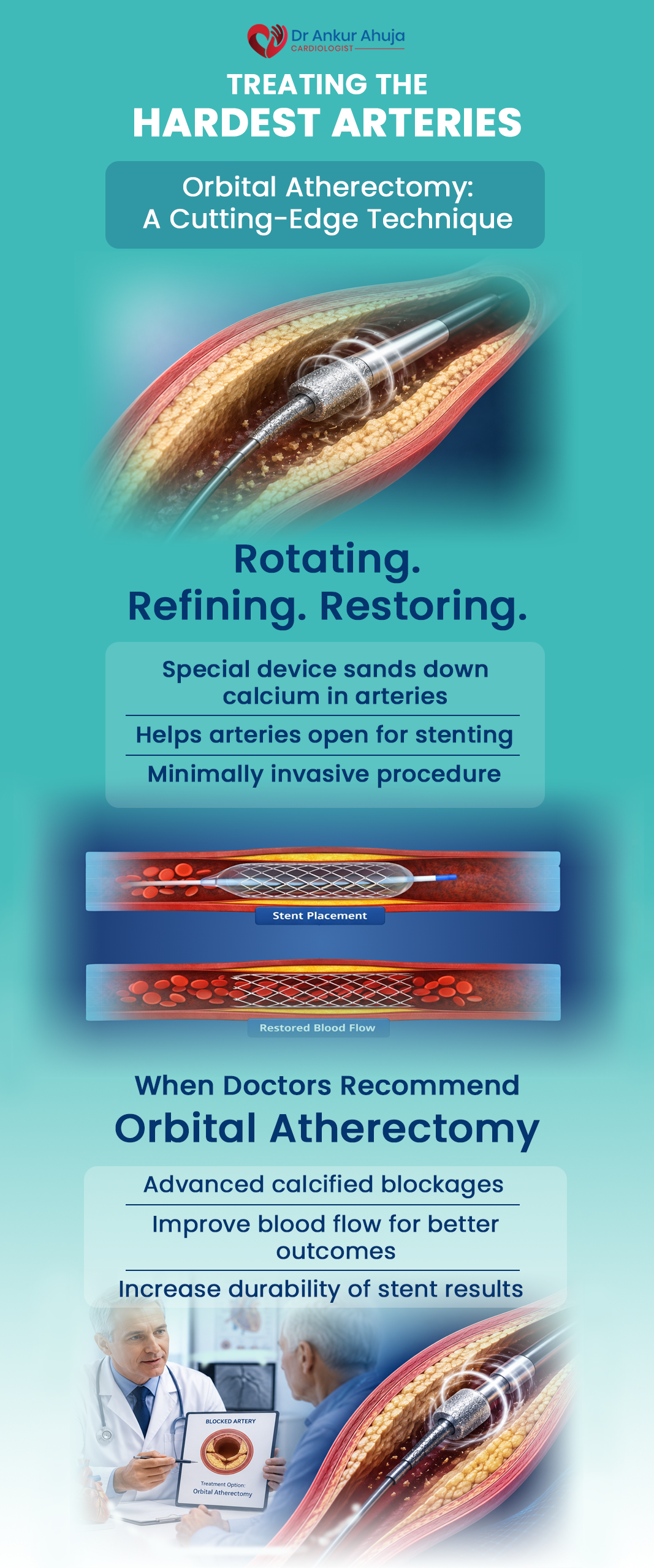
Modern cardiology has introduced several advanced angioplasty techniques that make it possible to treat complex cases.
Techniques for Complex Procedures
These include:
- CTO (Chronic Total Occlusion) techniques for completely blocked arteries
- Bifurcation stenting for blockages at artery branches
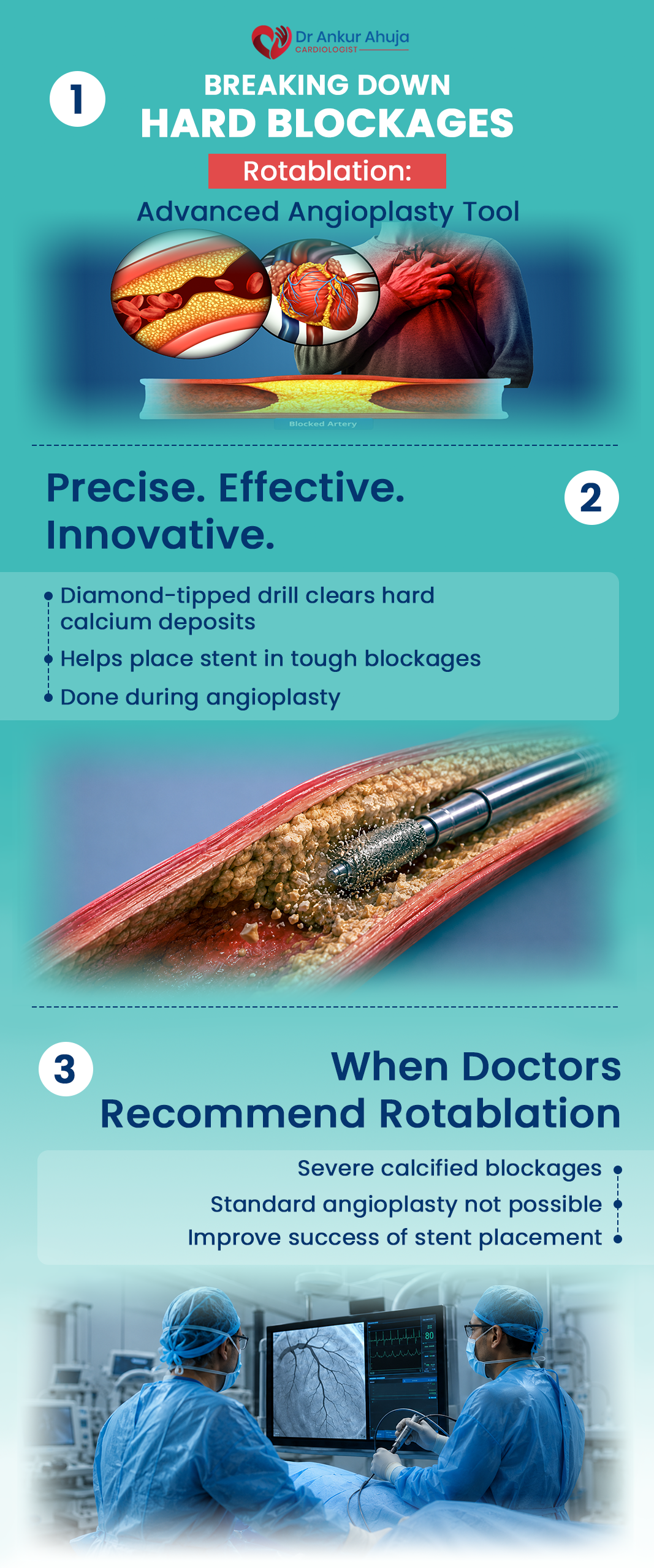
- Atherectomy for removing calcium deposits
These methods allow cardiologists to successfully treat challenging cases.
Importance of Precision in Treatment
Advanced imaging tools and specialized equipment help ensure precise placement of stents and improved outcomes.
This level of care is essential for treating severe coronary artery disease.
Success Rates, Risks, and Recovery
Understanding success rates, risks and recovery helps patients make informed decisions.
Success Rate of Complex Angioplasty
The success rate of complex angioplasty has improved significantly due to modern techniques and experienced specialists.
Most procedures achieve high success rates when performed in well-equipped medical centers.
Risks Involved in Complex Procedures
Although generally safe, potential risks include:
- Bleeding or infection
- Blood clots
- Artery damage
- Rare complications such as heart attack
The risk level depends on the complexity of the blockage and patient health.
Recovery After Complex Angioplasty
Recovery typically involves:
- Short hospital stay
- Gradual return to daily activities
- Medications to prevent clot formation
- Lifestyle modifications
Patients are encouraged to follow heart-healthy habits for long-term benefits.
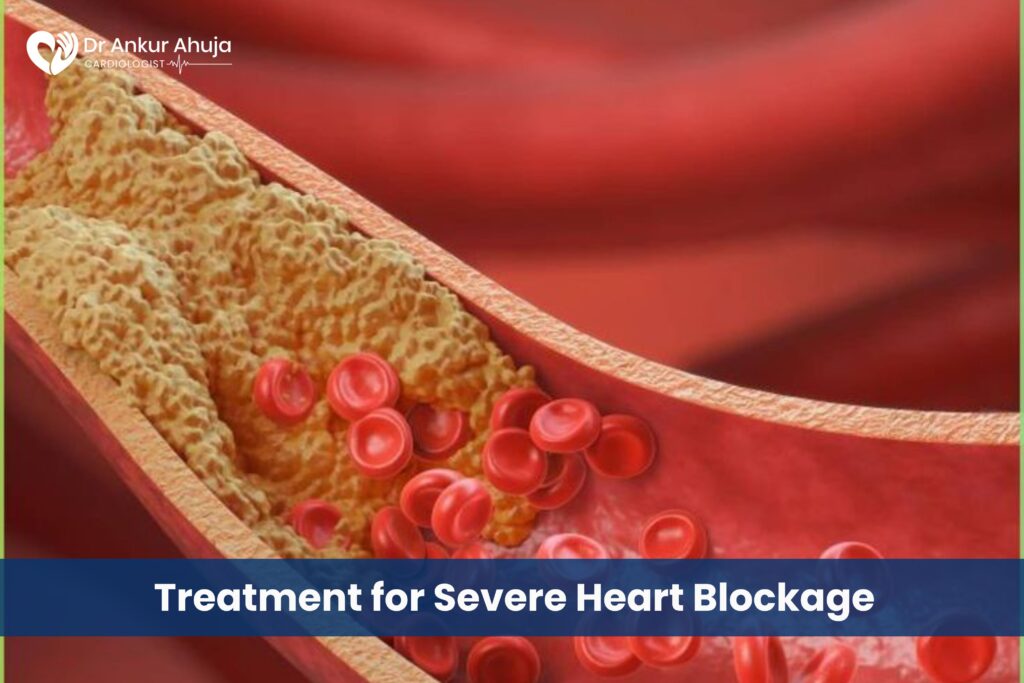
Treatment for Severe Heart Blockage
Comprehensive Treatment Approach
The overall treatment for severe heart blockage may include:
- Medications
- Lifestyle changes
- Angioplasty procedures
- In some cases, bypass surgery
Complex angioplasty is often preferred when minimally invasive solutions are possible.
Role of Preventive Care
Preventive care plays an important role in reducing future complications.
Patients should focus on:
- Healthy diet
- Regular exercise
- Stress management
- Routine medical checkups
Why Specialist Expertise Matters
Importance of Experienced Cardiologists
One of the most important factors in successful treatment is why specialist expertise matters.
Complex procedures require:
- Advanced training
- Experience with difficult cases
- Access to modern technology
Choosing the Right Specialist
Consulting an experienced professional like Dr Ankur Ahuja cardiologist ensures:
- Accurate diagnosis
- Personalized treatment plans
- Safe and effective procedures
Expert care significantly improves patient outcomes.
Frequently Asked Questions
1. What is complex angioplasty?
It is an advanced procedure used to treat severe or complicated coronary artery blockages using specialized techniques.
2. When is complex angioplasty needed?
It is needed when arteries are severely narrowed, completely blocked or involve multiple complex lesions.
3. Is complex angioplasty safe?
Yes, it is generally safe when performed by experienced cardiologists using modern techniques.
4. What is the recovery time after complex angioplasty?
Most patients recover within a few days, although full recovery depends on individual health conditions.
5. What are the risks of complex angioplasty?
Risks may include bleeding, clot formation or rare complications such as heart attack.
6. Can complex angioplasty replace bypass surgery?
In many cases, it can be an effective alternative, but the decision depends on the patient’s condition.
Conclusion
Timely and effective treatment is needed for severe blockages in the coronary arteries to avoid complications that could be fatal. Complex angioplasty for severe heart blockage has become a very effective way to treat advanced cases that were once hard to treat.
With the help of modern technology and advanced techniques, cardiologists can now restore blood flow even in the most challenging situations. However, the success of these procedures depends greatly on expertise and proper diagnosis.
Patients get the best care and treatment results when they see a cardiologist like Dr. Ankur Ahuja, who has a lot of experience.A healthy lifestyle and early intervention can make a big difference in heart health and quality of life.