Angioplasty has revolutionised the treatment of coronary artery disease, allowing millions of patients to restore healthy blood flow and reduce their risk of heart attacks. It is a very effective way to open narrowed arteries and relieve symptoms such as chest pain and shortness of breath. However, many patients wonder: can heart blockage come back after angioplasty? This is a common question after treatment, as patients want to understand their long-term heart health and the possibility of future artery blockages.
The concern is understandable. While angioplasty successfully treats a blocked artery, it does not completely eliminate the underlying causes of heart disease. In some cases, patients may develop a heart blockage after angioplasty months or years after the procedure. This can happen due to disease progression, lifestyle factors, or a condition known as restenosis.
Dr Ankur Ahuja believes in the importance of patient education and preventive cardiology in long-term heart care. Understanding why blockages can return, spotting symptoms early, and taking proactive steps can significantly improve cardiovascular results. This comprehensive guide covers the reasons behind recurrent blockages, the function of stents, what symptoms to watch for and how to maintain a healthy heart post-angioplasty.
Understanding Angioplasty and Its Purpose
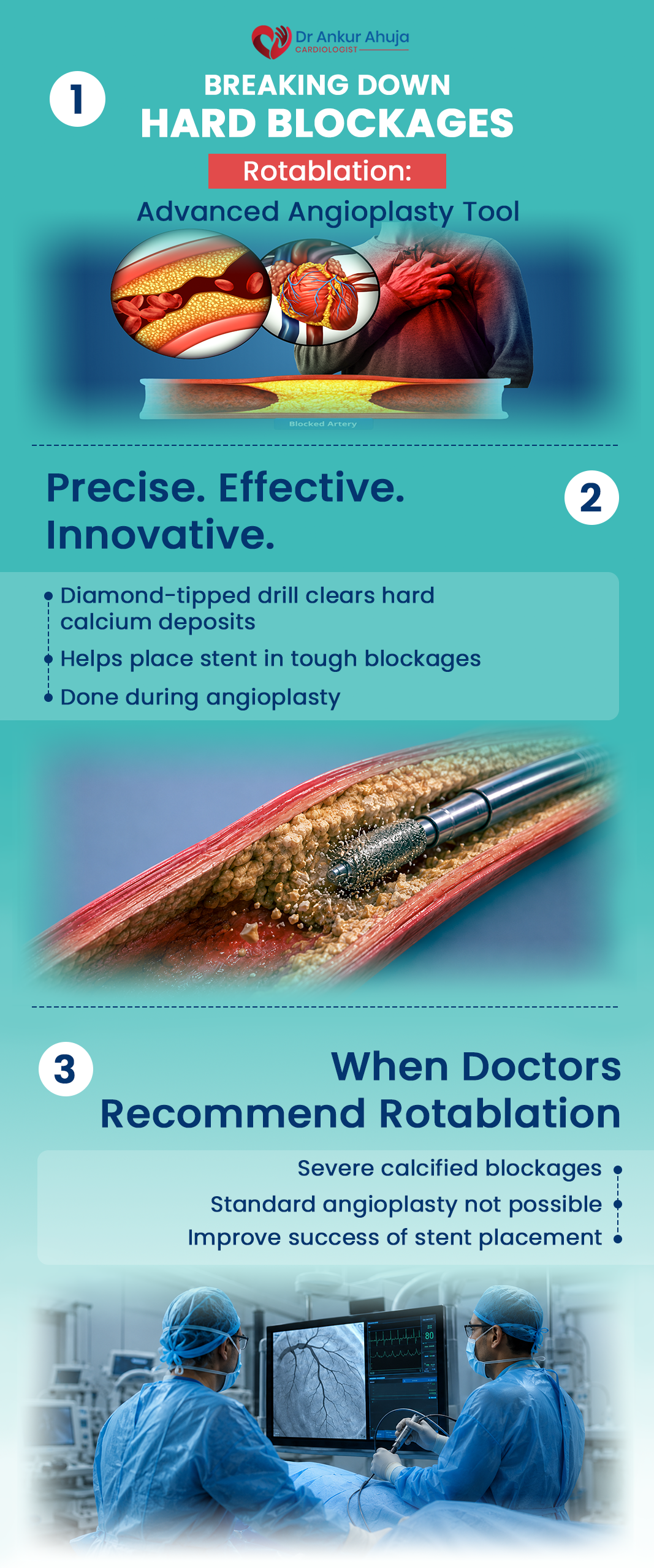
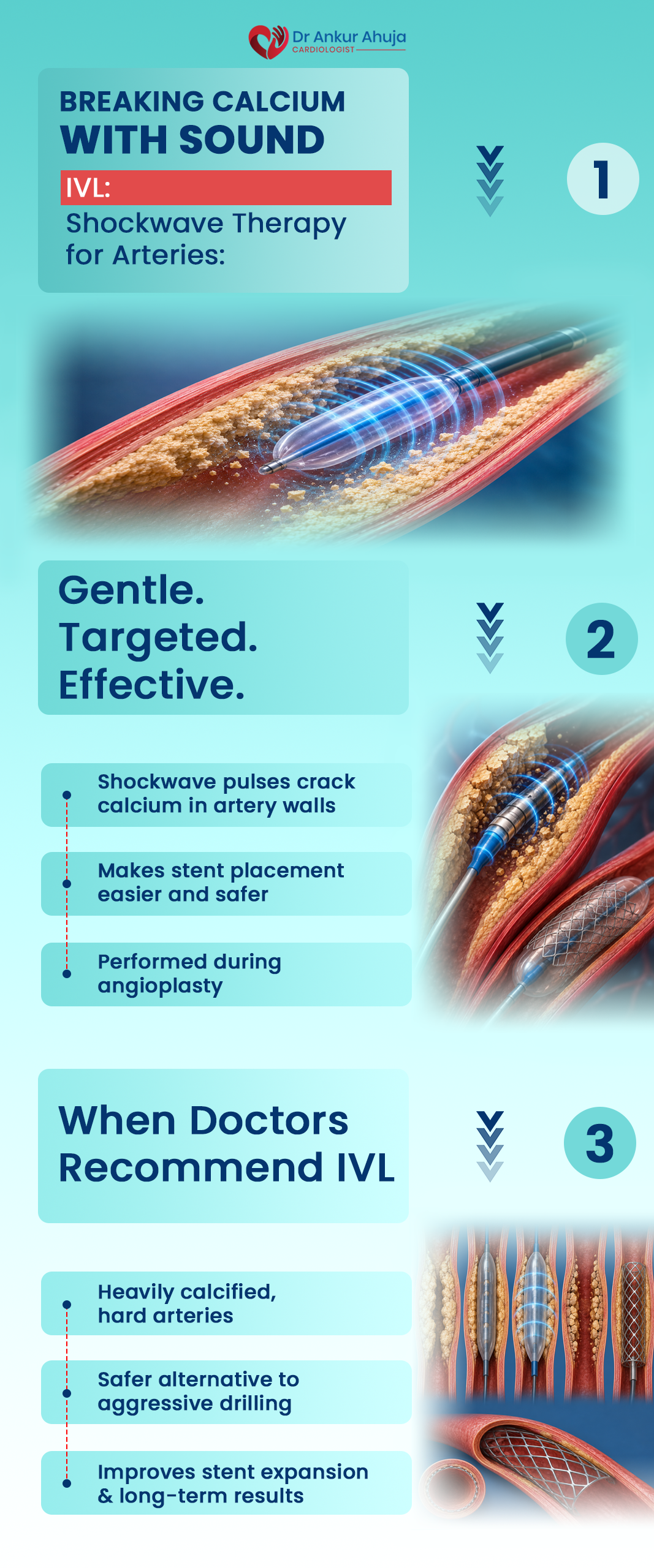
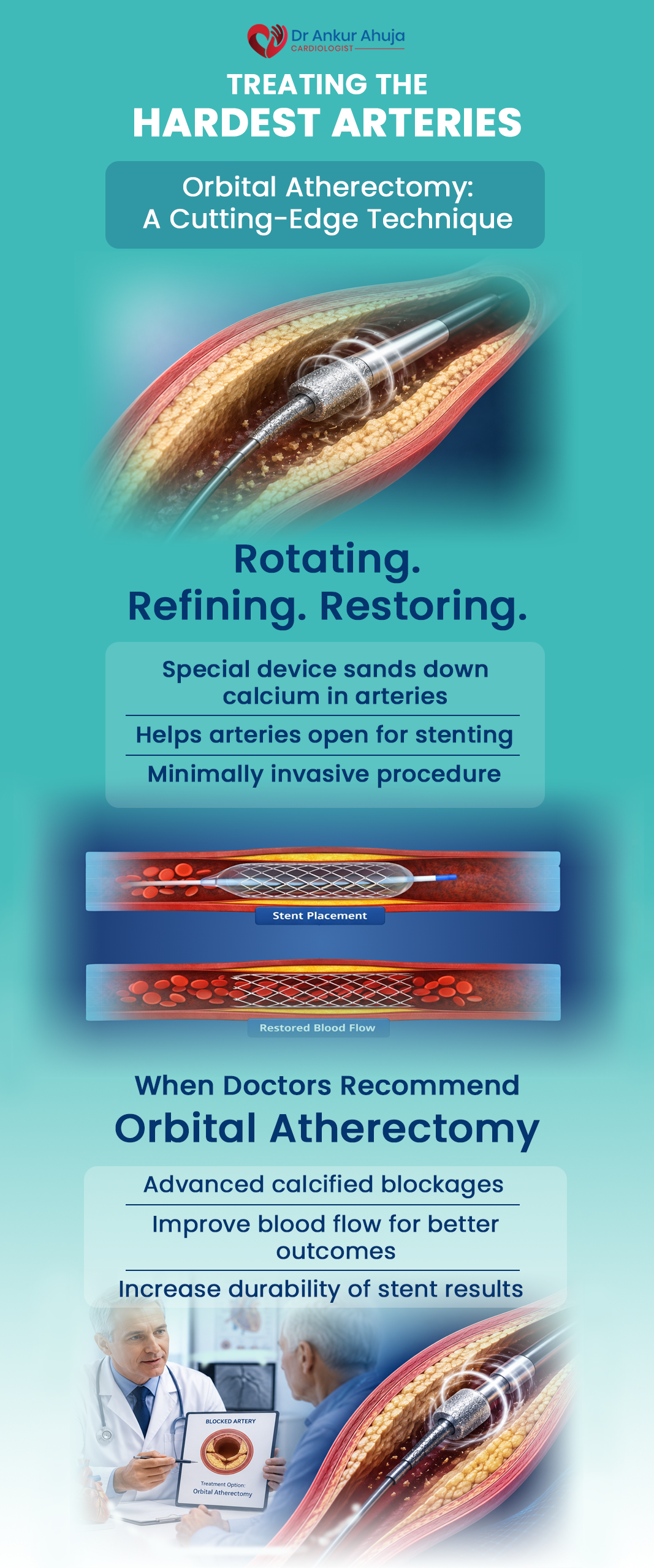
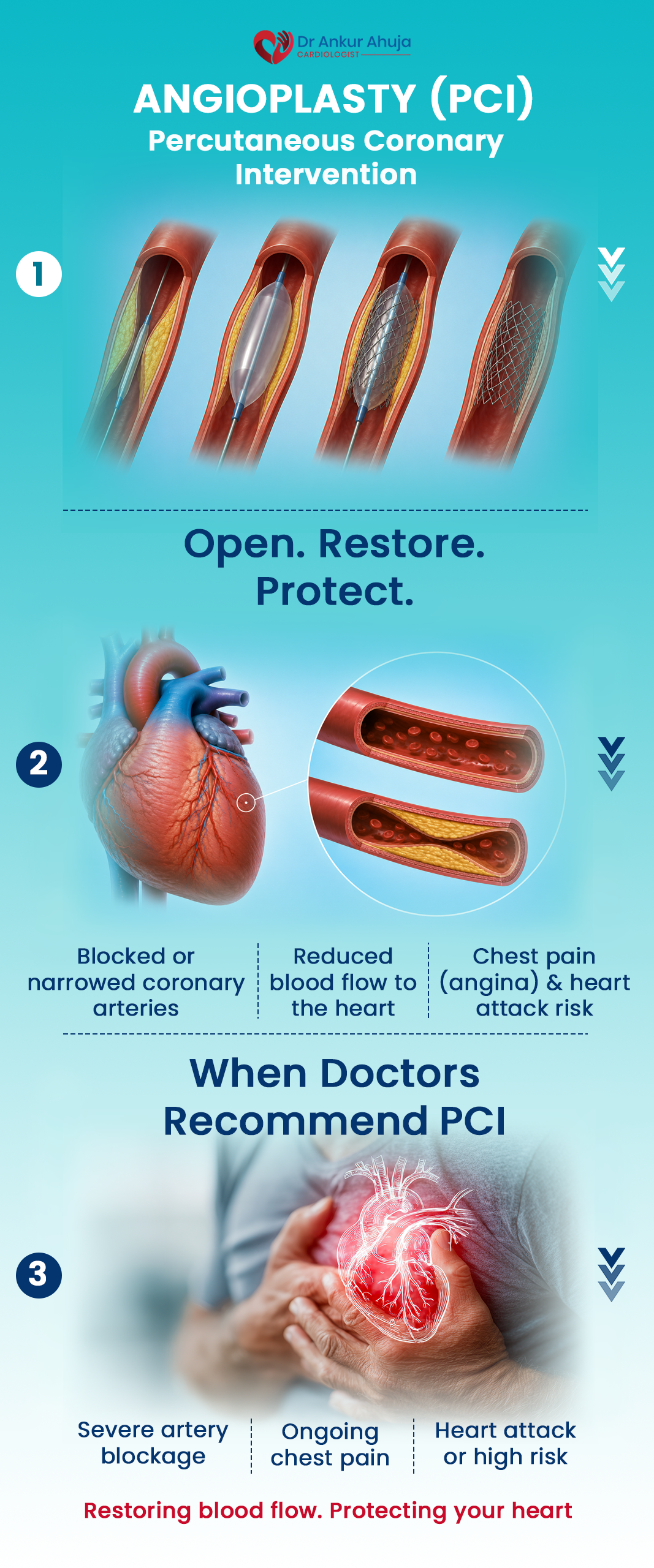
Angioplasty is a minimally invasive procedure used to restore blood flow through narrowed or blocked coronary arteries. During the procedure, a catheter with a small balloon is inserted into the affected artery. The balloon is inflated to widen the artery and a stent is often placed to help keep the vessel open.
The procedure is commonly recommended for patients with:
- Coronary artery disease
- Angina (chest pain)
- Reduced blood flow to the heart
- Heart attack emergencies
Angioplasty offers rapid symptom relief and can improve quality of life significantly. However, patients must understand that it treats the blockage rather than curing coronary artery disease itself.
Why Stents Are Used During Angioplasty
A stent is a small mesh tube that is put inside the artery to prevent it from narrowing again immediately after the treatment. Modern drug eluting stents release medication slowly. This helps to reduce scar tissue formation and improves the angioplasty long term success rate. Stents have greatly improved results, but they don’t totally eliminate the chance of arteries narrowing again in the future.
Can Heart Blockage Come Back After Angioplasty?
One of the most common questions cardiologists hear is: can heart blockage come back after angioplasty?
The answer is yes, but not always in the same location. Some patients develop new plaque buildup in different arteries, while others may experience narrowing in the treated artery itself.
The likelihood depends on several factors, including:
- Cholesterol levels
- Blood pressure control
- Diabetes management
- Smoking habits
- Family history
- Lifestyle choices
Patients who actively manage these risk factors often experience better long-term results.
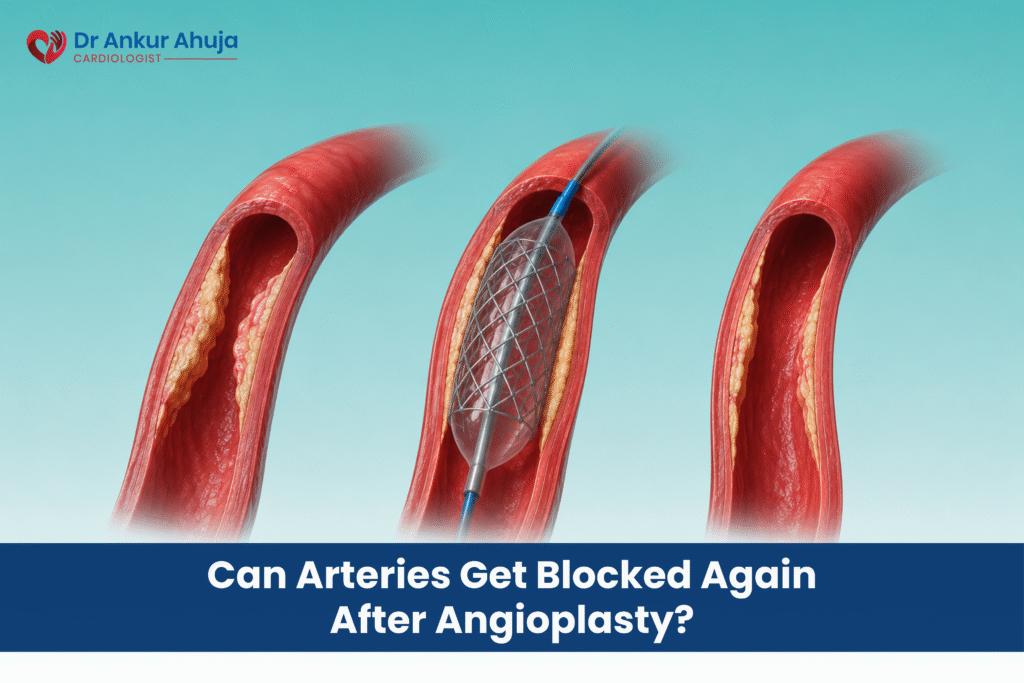
Can Arteries Get Blocked Again After Angioplasty?
Many patients wonder, can arteries get blocked again after angioplasty even when a stent has been placed.
Unfortunately, the underlying disease process that caused the original blockage may continue. Plaque can gradually build up in other coronary arteries if risk factors remain uncontrolled. This is why long-term heart care remains essential even after a successful procedure.
Causes of Recurrent Heart Blockages
Understanding the causes of recurrent heart blockages can help patients take proactive steps to reduce their risk.
Coronary artery disease is a chronic condition influenced by both genetics and lifestyle factors.
Progression of Coronary Artery Disease
Even after angioplasty, plaque can continue forming inside blood vessels.
Factors contributing to disease progression include:
- High LDL cholesterol
- Smoking
- Obesity
- Poor dietary habits
- Sedentary lifestyle
- Chronic stress
Without proper management, these factors can lead to new arterial blockages over time.
Inflammation and Blood Vessel Damage
Atherosclerosis is the process of plaque formation . Inflammation plays a major role in this .
Ongoing inflammation can harm the walls of arteries and raise the chances of developing heart problems later in life.
Stent Restenosis Explained
One possible cause of recurrent narrowing is restenosis.
Understanding stent restenosis explained helps patients understand why follow-up care is important after angioplasty.
Restenosis occurs when tissue grows inside the stent, causing the artery to narrow again. Although modern drug-eluting stents have significantly reduced this complication, it can still occur in some patients.
Why Restenosis Happens
Several factors may contribute to restenosis:
- Excessive tissue healing
- Chronic inflammation
- Diabetes
- Small artery size
- Complex coronary disease
The risk varies from patient to patient and depends on overall cardiovascular health.
Blocked Artery After Stent Placement
A blocked artery after stent placement is less common today than in the past due to advances in stent technology.
However, when it does occur, early diagnosis and treatment are important to prevent serious complications.
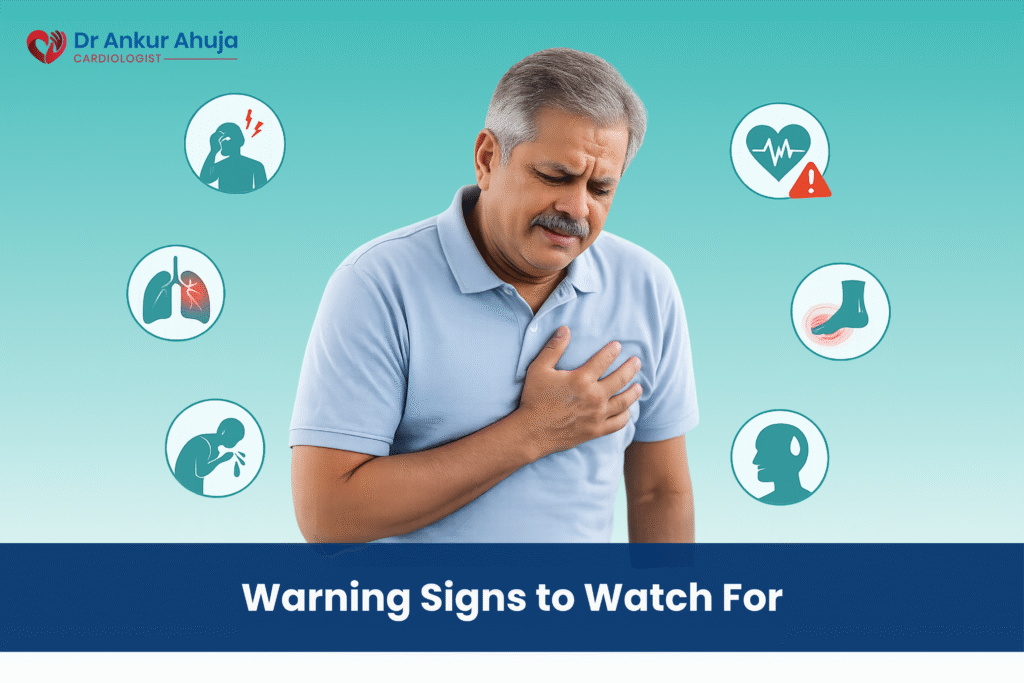
Warning Signs to Watch For
Patients should understand the warning signs to watch for after angioplasty.
Symptoms of recurring artery narrowing may resemble those experienced before treatment.
Common Symptoms of Recurrent Blockage
Potential symptoms include:
- Chest pain
- Chest pressure
- Breathlessness
- Fatigue during activity
- Dizziness
- Reduced exercise tolerance
These symptoms should never be ignored.
Stent Restenosis Symptoms
Possible stent restenosis symptoms may include:
- Angina during physical activity
- Shortness of breath
- Decreased stamina
- Discomfort in the chest
Prompt evaluation can help identify the cause and guide appropriate treatment.
Life After Angioplasty and Stent
Understanding life after angioplasty and stent placement is crucial for maintaining long-term cardiovascular health.
Recovery does not end when the procedure is completed. Patients must continue making healthy choices to protect their hearts.
Importance of Medication Adherence
Most patients receive medications such as:
- Antiplatelet drugs
- Cholesterol-lowering medications
- Blood pressure medications
Taking these medications as prescribed reduces the risk of future complications.
Cardiac Rehabilitation Benefits
Cardiac rehabilitation programs help patients:
- Improve fitness levels
- Build confidence
- Learn healthy lifestyle habits
- Reduce future cardiac risks
Participation often leads to better long-term outcomes.
How to Prevent Future Heart Blockages
Knowing how to prevent future heart blockages empowers patients to take control of their heart health.
Prevention requires a combination of lifestyle changes and medical management.
Follow a Heart-Healthy Diet
Healthy eating habits can:
- Lower cholesterol
- Manage blood pressure
- Weight control
- Decrease inflammation
Suggested foods include:
- Fruits and vegetables
- Grains, whole
- Proteins: lean meats
- Fats that are good
Limit processed foods and sugar overload.
Stay Physically Active
Regular exercise supports cardiovascular health by:
- Improving circulation
- Lowering blood pressure
- Increasing stamina
- Supporting weight management
Patients should follow activity recommendations provided by their cardiologist.
Preventing Heart Blockage After Angioplasty
Effective preventing heart blockage after angioplasty strategies focus on reducing risk factors and maintaining healthy arteries.
Patients should:
- Stop smoking
- Control diabetes
- Monitor cholesterol
- Maintain healthy weight
- Manage stress
- Attend follow-up appointments
Consistent prevention efforts can significantly reduce future cardiovascular risks.
Regular Health Monitoring
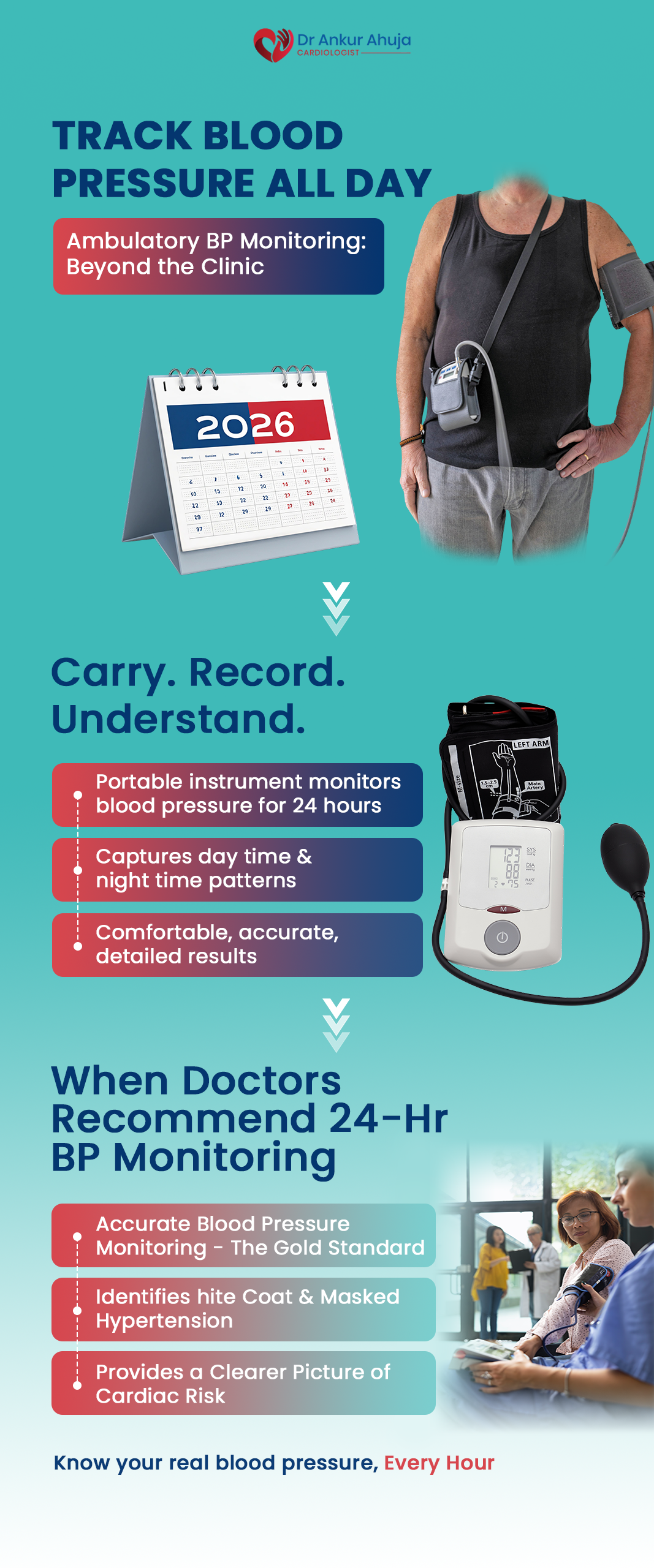
Routine monitoring helps identify potential concerns before symptoms become severe.
Important evaluations include:
- Blood pressure checks
- Cholesterol testing
- Diabetes screening
- Cardiac assessments
Preventive care remains one of the most powerful tools in cardiovascular medicine.
Why Follow-Up Care Matters
Follow-up visits allow cardiologists to assess recovery and identify potential complications early.
At Dr Ankur Ahuja, long-term patient care includes:
- Comprehensive heart evaluations
- Risk factor management
- Preventive cardiology guidance
- Personalized treatment plans
Regular follow-up improves patient outcomes and supports lifelong heart health.
How Modern Advances Have Improved Outcomes
Cardiology has advanced significantly over the last two decades.
Modern developments include:
- Drug-eluting stents
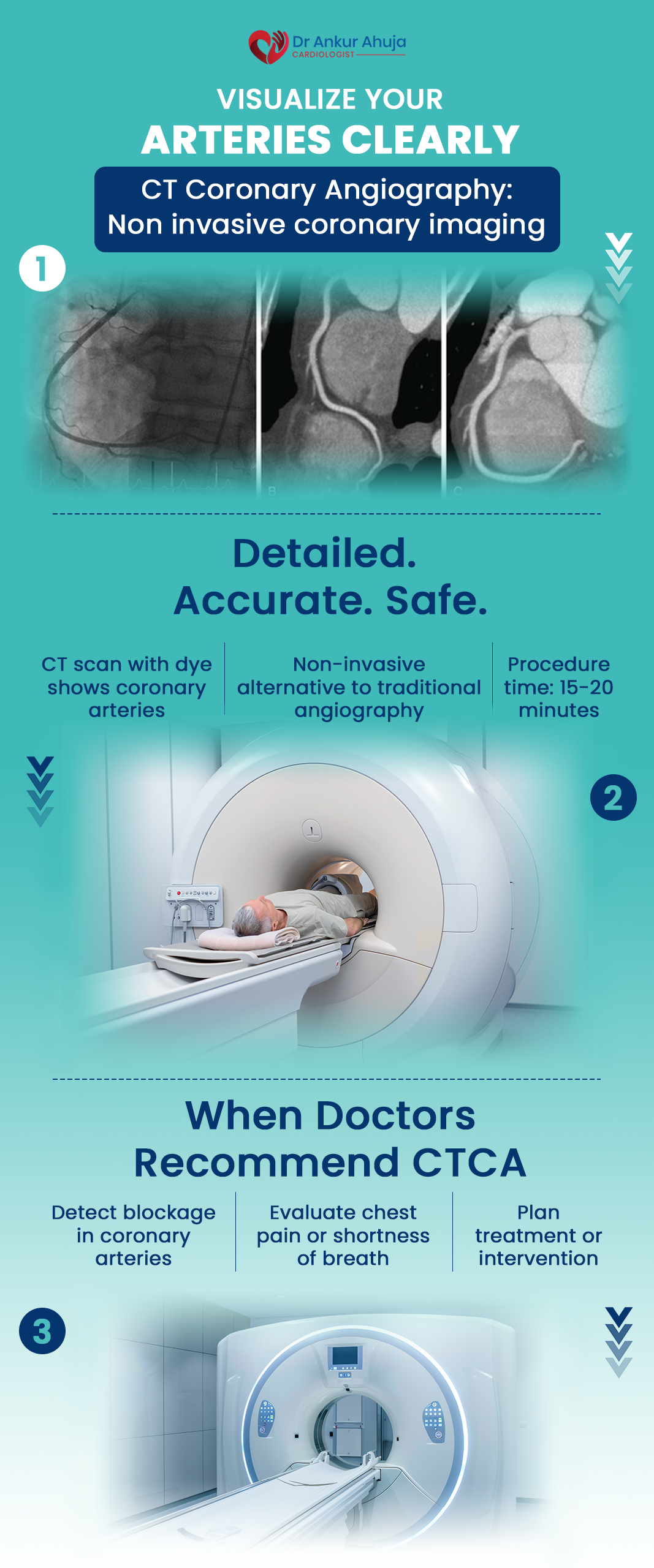
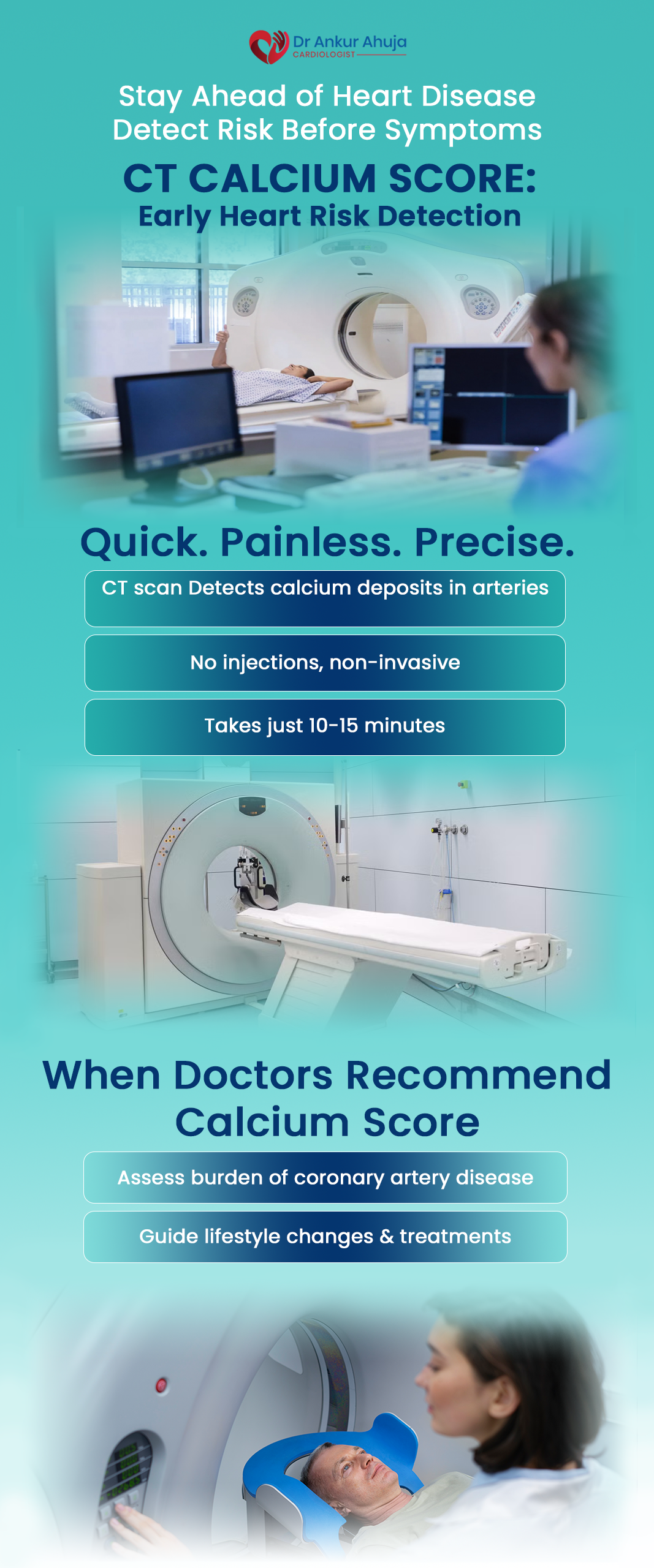
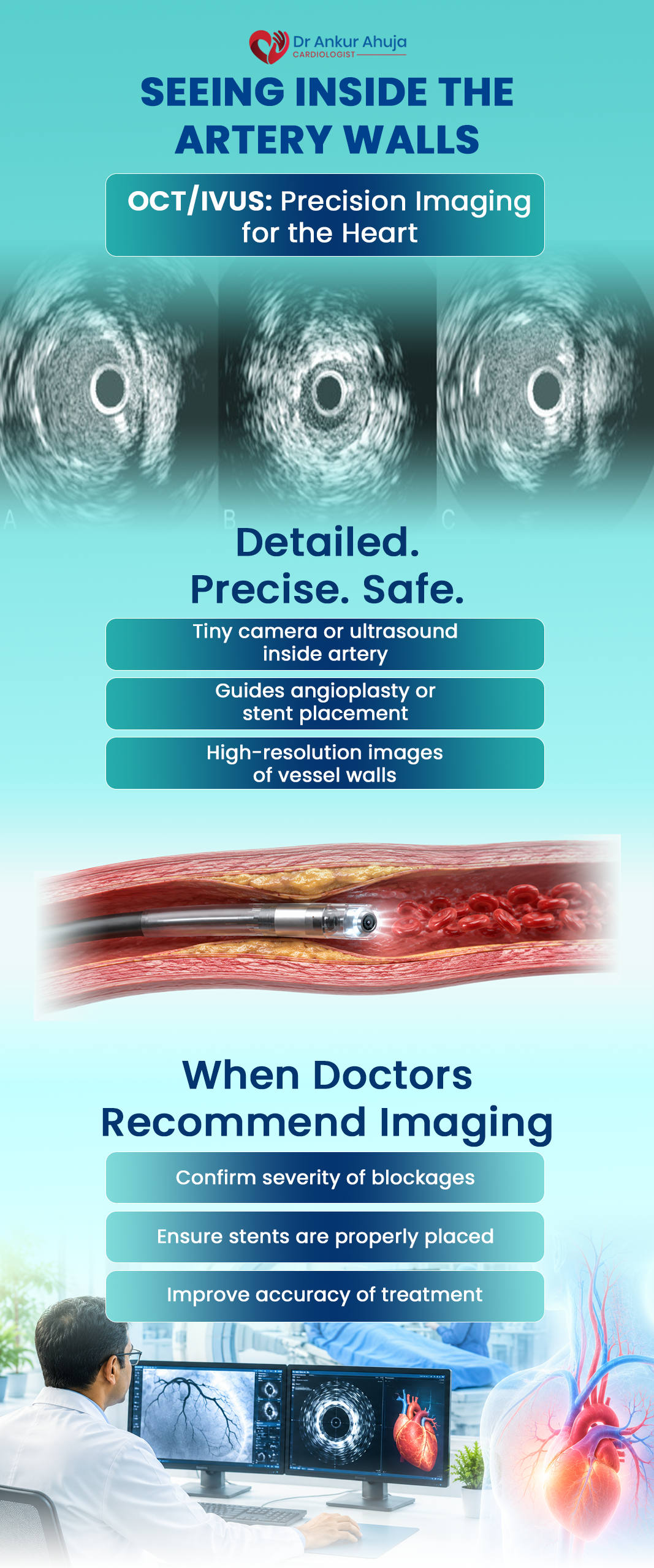
- Advanced imaging techniques
- Improved medications
- Better rehabilitation programs
These innovations have contributed to higher success rates and lower recurrence risks for many patients.
Frequently Asked Questions (FAQs)
Q1. Can heart blockage return years after angioplasty?
Yes. New blockages may develop if coronary artery disease continues progressing or risk factors remain uncontrolled.
Q2. Is restenosis common with modern stents?
Restenosis rates are much lower with modern drug-eluting stents compared to older stent designs.
Q3. What symptoms suggest a recurring blockage?
Chest pain, breathlessness, fatigue, and reduced exercise capacity should be evaluated promptly.
Q4. Can lifestyle changes reduce recurrence risk?
Yes. Healthy eating, exercise, smoking cessation, and medication adherence significantly improve outcomes.
Q5. How often should patients see a cardiologist after angioplasty?
The schedule varies, but regular follow-up appointments are essential for monitoring heart health.
Q6. Is angioplasty a permanent cure?
No. Angioplasty treats existing blockages, but long-term management is required to control coronary artery disease.
Conclusion
It is possible to develop a heart blockage after angioplasty. However, understanding the risks and preventing them can go a long way in reducing the possibility of recurrence. Angioplasty is a great way to get blood flowing again, but for long-term heart health, managing risk factors, heeding medical recommendations, maintaining healthy lifestyle habits and regularly seeing your doctor for follow-up care are key.
Patients who actively participate in their care often enjoy excellent long-term outcomes and improved quality of life. With expert guidance from Dr Ankur Ahuja, individuals can make informed decisions that support healthier arteries, stronger heart function, and lasting cardiovascular wellness.