Heart attacks are usually thought by the general public to only affect elderly, overweight or unhealthy people. These are well known contributors, but not the only contributors. Even people who exercise and eat right can have a heart attack if they have hidden health conditions that go undetected.
Understanding heart attack risk factors is important because many of them develop silently over time. High blood pressure, cholesterol imbalance, chronic stress, poor sleep, inflammation and inherited conditions may not cause noticeable symptoms until they become serious.
Over the past few years, cardiologists have also observed an increase in heart attack in healthy adults, particularly among working professionals in their 30s and 40s. Busy schedules, mental stress, sedentary work and irregular health check-ups often contribute to this growing trend.
Dr. Ankur Ahuja provides comprehensive preventive cardiology to identify cardiovascular risks before they become emergencies. Early diagnosis, lifestyle modification, and regular monitoring can significantly reduce the risk of developing serious heart disease.
In this article, find out why healthy people are not immune from heart attacks, discover hidden causes, learn warning signs and find out easy ways to keep your heart healthy for life.
Understanding Heart Attack Risk Factors
A heart attack occurs when the blood supply to a part of the heart is blocked, usually due to the buildup of fatty deposits inside the coronary arteries. Without adequate oxygen, heart muscle cells begin to get damaged, making immediate treatment essential.
Some cardiovascular risks are obvious, while others remain hidden for years. Recognizing both helps reduce complications and improves long-term heart health.
Common factors that increase the likelihood of heart disease include:
- High blood pressure
- High cholesterol
- Diabetes
- Smoking
- Obesity
- Physical inactivity
However, several lesser-known conditions can also increase risk, even in individuals who appear healthy.
Why Looking Healthy Doesn’t Always Mean Having a Healthy Heart
Many people measure their health by their body weight or appearance. “It is good to keep fit but it doesn’t mean your heart is working well.”
Silent problems like blocked arteries, abnormal cholesterol levels or inherited heart problems can occur without affecting day to day activities. Some people work and exercise normally until a sudden cardiac event reveals an underlying problem.
That’s why regular heart check-ups are important for healthy people as well as those with existing medical conditions.
The Importance of Preventive Heart Screening
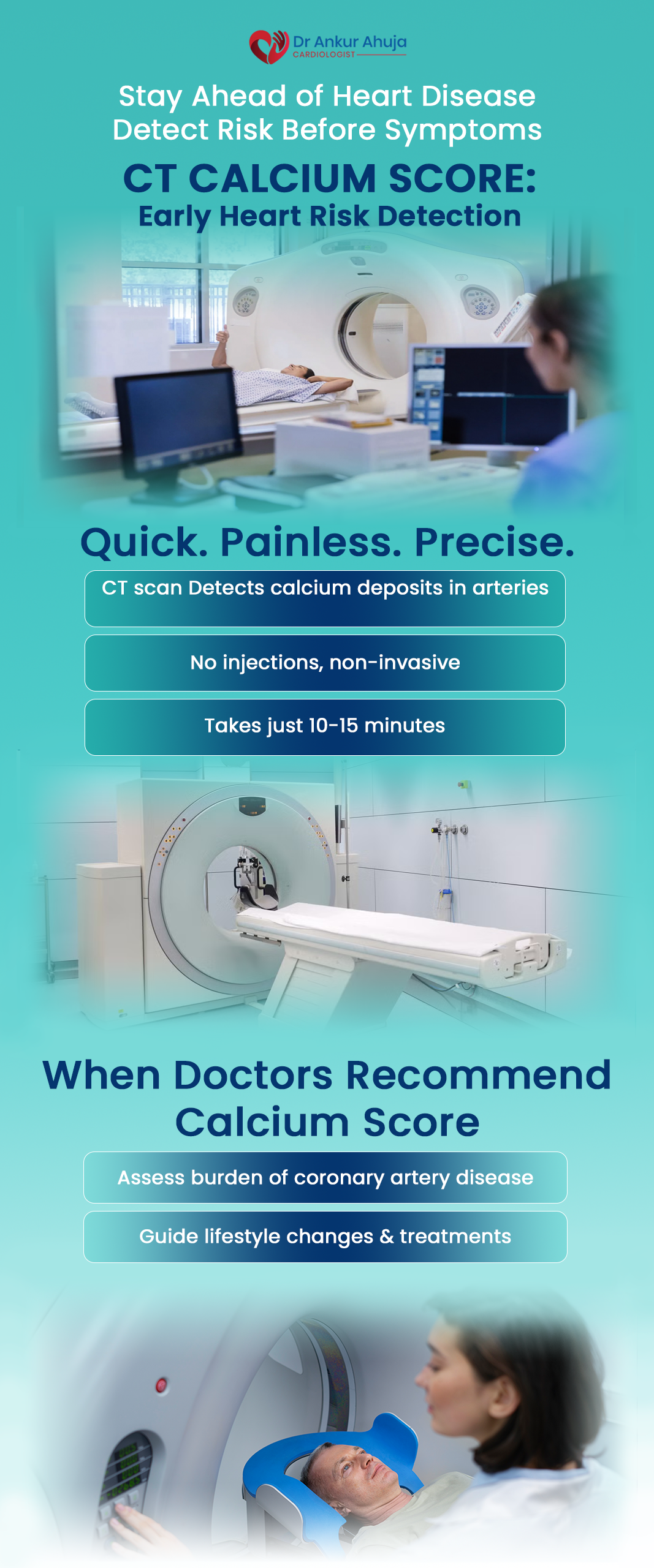
Preventive healthcare helps detect cardiovascular problems before symptoms appear.
A routine cardiac evaluation may include:
- Blood pressure measurement
- Cholesterol profile
- Blood sugar testing
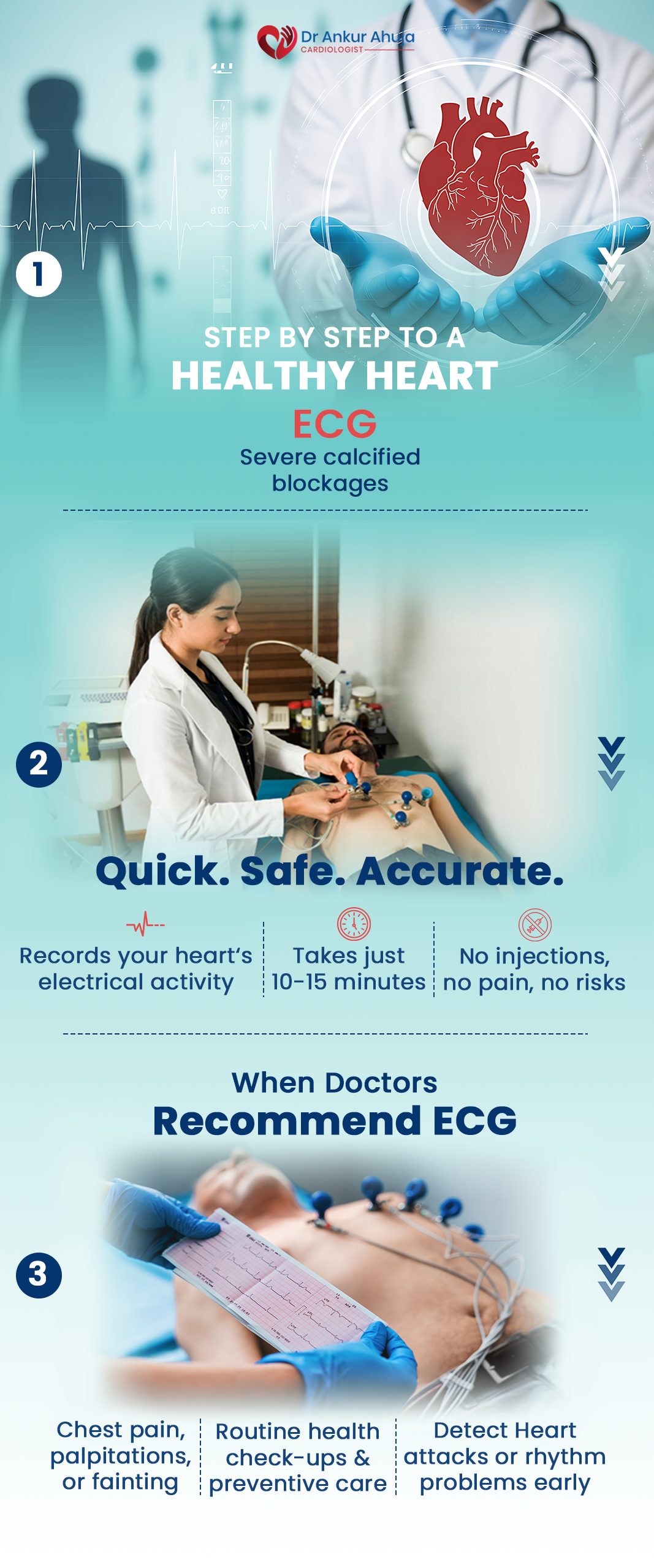
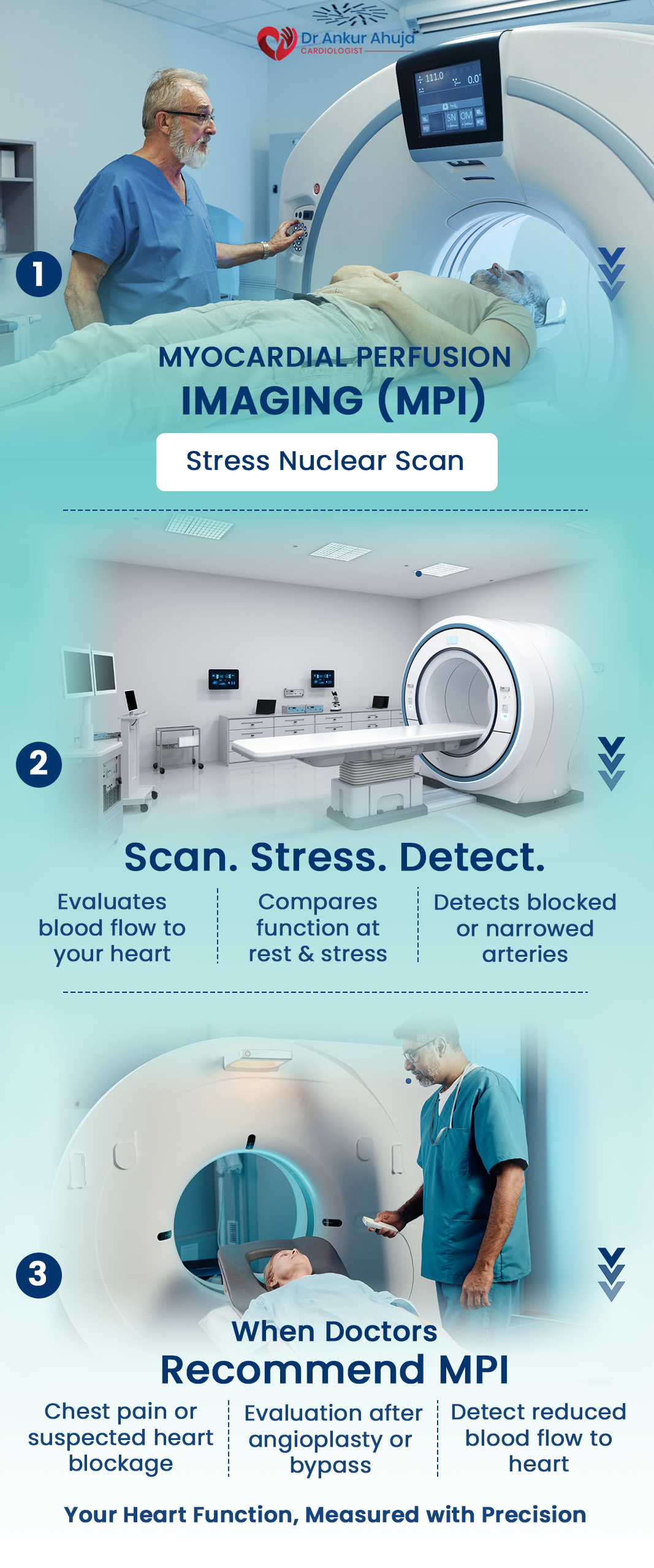
- Electrocardiogram (ECG)
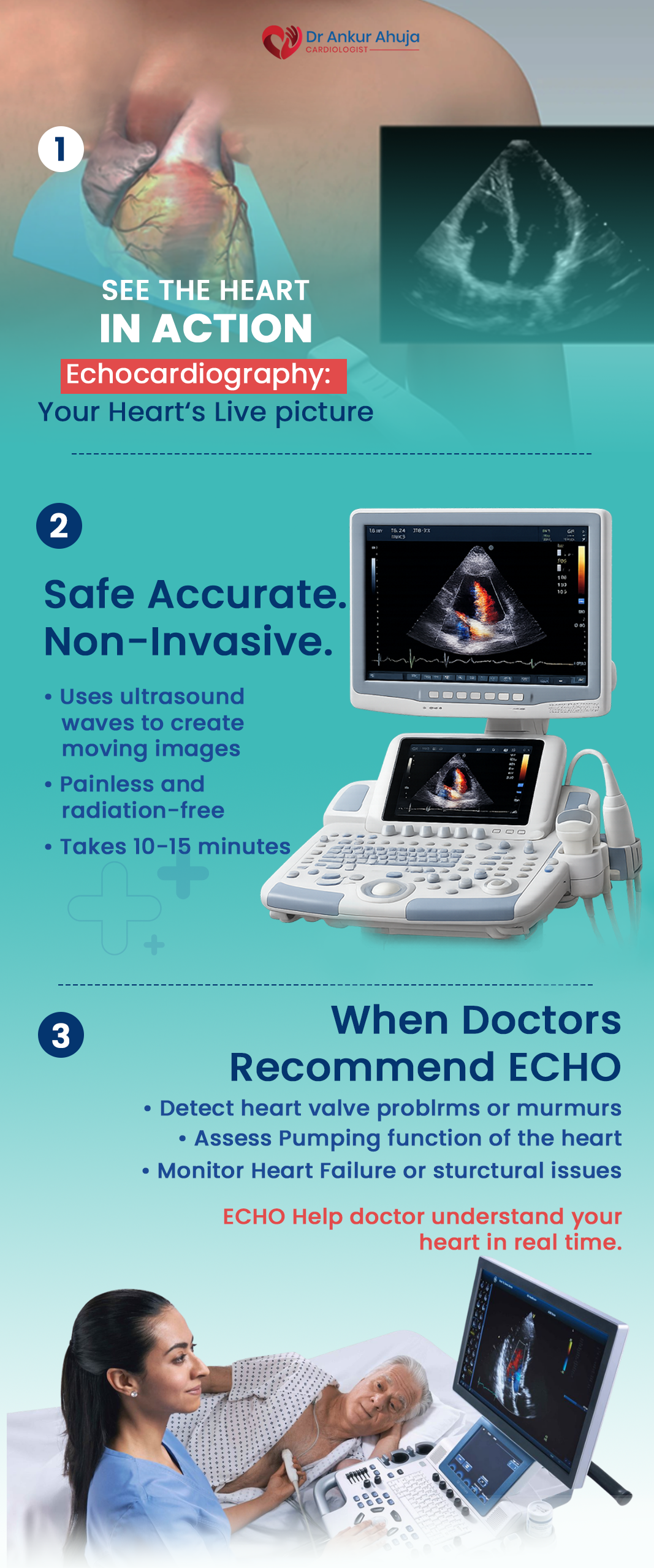
- Echocardiogram when required
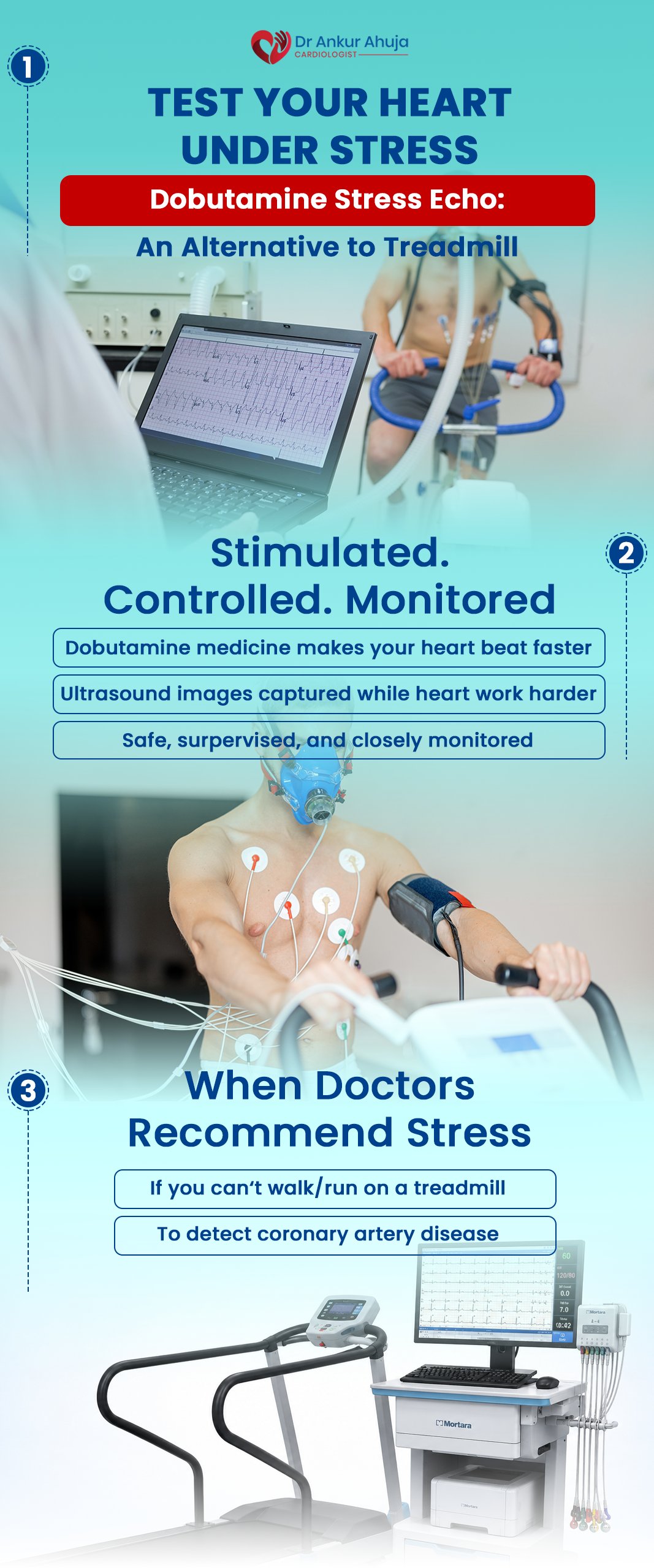
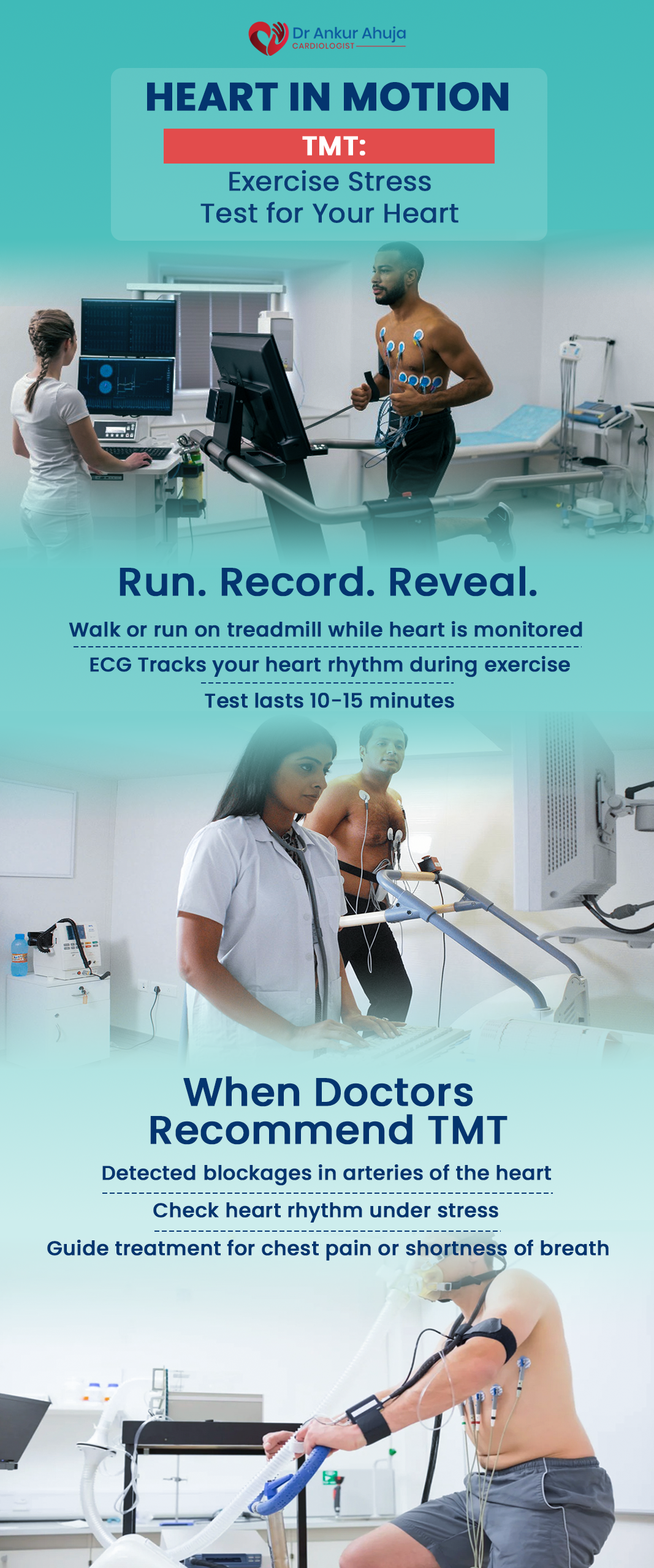
- Stress test for selected patients
These simple investigations help doctors identify early abnormalities and recommend timely treatment before complications occur.
Can Healthy People Get a Heart Attack?
The answer is yes.
Although maintaining a healthy lifestyle lowers the overall risk, it does not eliminate it completely. Several medical conditions and lifestyle-related factors can quietly damage the heart over time without producing obvious symptoms.
This is why cardiologists encourage people to focus not only on fitness but also on regular preventive health assessments.
Hidden Causes of Heart Attack
Many individuals who experience a heart attack have no previous history of heart disease. In such cases, hidden medical conditions are often responsible.
These may include:
- Undiagnosed high blood pressure
- Elevated cholesterol levels
- Silent coronary artery disease
- Blood clotting disorders
- Congenital heart abnormalities
- Hormonal imbalances
Because these conditions often progress silently, they are usually detected only through routine medical evaluations.
Modern Lifestyle Is Increasing Cardiovascular Risk
Today’s lifestyle has changed dramatically compared to previous generations. Long working hours, limited physical movement, unhealthy eating habits and inadequate sleep place constant pressure on the cardiovascular system.
Common lifestyle habits affecting heart health include:
- Sitting for prolonged hours
- Skipping meals
- Excessive screen time
- Frequent consumption of processed foods
- High caffeine intake
- Poor stress management
Even individuals who exercise regularly may remain at risk if these habits continue over several years.

Family History and Genetics Play a Bigger Role Than Many Realize
One of the strongest predictors of future cardiovascular disease is genetics. If close family members developed heart disease at an early age, the chances of developing similar conditions increase. Although inherited risk cannot be changed, understanding family history allows doctors to recommend earlier screening and personalized prevention strategies.
Why Family History Matters
Certain inherited conditions affect how the body processes cholesterol, regulates blood pressure or forms blood clots.
People with a family history of cardiovascular disease should pay particular attention to:
- Annual health check-ups
- Cholesterol monitoring
- Blood pressure control
- Healthy body weight
- Physical activity
- Regular consultation with a cardiologist
Dr. Ankur Ahuja carefully evaluates family history while assessing an individual’s overall cardiovascular risk profile. Early identification allows patients to take preventive measures before serious complications develop.
Genetics Is Only Part of the Story
Having a genetic predisposition does not mean a heart attack is inevitable. Lifestyle choices continue to play a major role in determining long-term heart health.
Maintaining healthy habits, managing medical conditions and undergoing regular screenings can significantly reduce cardiovascular risk—even in individuals with a strong family history.
Stress, Inflammation, and Lifestyle Risks
Sometimes a healthy weight or regular exercise does not save the heart. Cardiovascular health can be silently affected by everyday habits and long-term stress. Mental stress, poor sleep, unhealthy eating patterns, and chronic inflammation often combine to raise your chances of heart disease.
These factors may not cause immediate symptoms, but over time they can damage blood vessels and make the heart work harder than normal.
Making small, consistent lifestyle changes can significantly improve heart health and reduce future complications.
How Stress Affects Your Heart
Stress is a natural response to challenging situations, but prolonged stress can negatively impact the cardiovascular system.
When stress levels remain high, the body releases hormones such as cortisol and adrenaline. These hormones temporarily increase heart rate and blood pressure. If this continues for months or years, it may contribute to serious heart problems.
Long-term stress may lead to:
- Increased blood pressure
- Poor sleep quality
- Emotional eating
- Lack of physical activity
- Smoking or excessive alcohol consumption
- Higher inflammation levels
Managing stress through relaxation techniques, exercise, and work-life balance plays an important role in protecting heart health.
Why Inflammation Should Not Be Ignored
Inflammation is the body’s natural defense mechanism, but chronic inflammation can gradually damage blood vessels and contribute to plaque buildup inside arteries.
Several conditions may increase inflammation, including:
- Obesity
- Diabetes
- Autoimmune diseases
- Smoking
- Chronic infections
- Poor dietary habits
Doctors often evaluate inflammatory markers along with other cardiovascular assessments to understand an individual’s overall heart health.
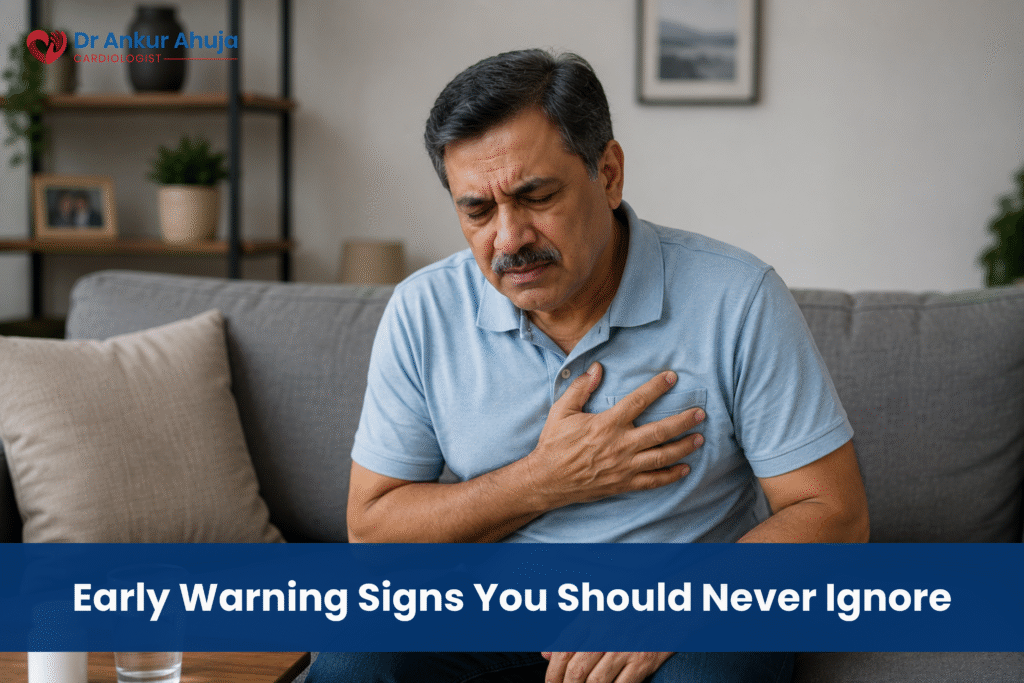
Early Warning Signs You Should Never Ignore
Heart attacks do not always begin with severe chest pain. In many cases, symptoms develop gradually and may even be mistaken for acidity, muscle strain or fatigue.
Recognizing the early warning signs of heart attack can make the difference between timely treatment and a life-threatening emergency.
Seeking immediate medical care at the first sign of symptoms significantly improves recovery outcomes.
Common Symptoms of a Heart Attack
Although symptoms vary from person to person, some warning signs are commonly reported.
These include:
- Chest pain or pressure
- Pain spreading to the shoulder, arm, jaw, or back
- Shortness of breath
- Cold sweats
- Nausea or vomiting
- Dizziness
- Sudden weakness
- Unexplained fatigue
If these symptoms last for more than a few minutes or keep returning, emergency medical attention should be sought immediately.
Heart Attack Symptoms Can Be Different in Women
Women often experience symptoms that are less obvious than the classic crushing chest pain.
They may notice:
- Extreme tiredness
- Breathlessness
- Pain in the upper back or neck
- Nausea
- Indigestion-like discomfort
- Lightheadedness
Because these symptoms are often mistaken for less serious conditions, many women delay seeking treatment. Awareness can help ensure faster diagnosis and better outcomes.
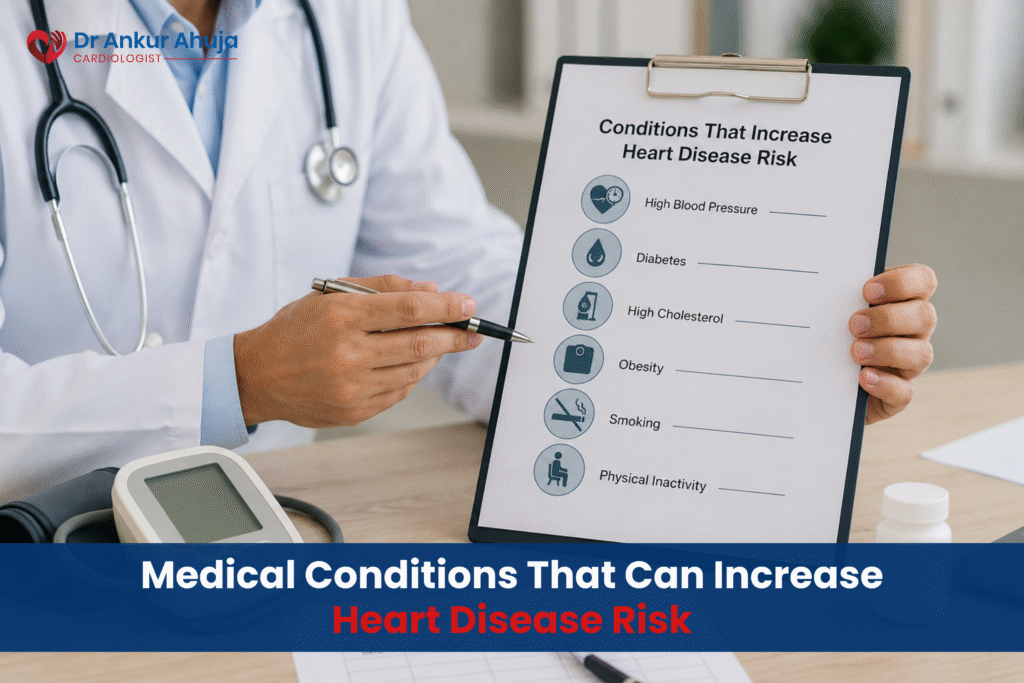
Medical Conditions That Can Increase Heart Disease Risk
Certain health conditions place additional strain on the heart, even if a person feels completely healthy.
Regular medical check-ups help identify these conditions early, allowing treatment before permanent damage occurs.
High Blood Pressure and High Cholesterol
High blood pressure often develops without symptoms but gradually damages arteries and forces the heart to work harder.
Similarly, high cholesterol contributes to plaque buildup, reducing blood flow to the heart.
Keeping both conditions under control lowers the likelihood of serious cardiovascular events.
Doctors usually recommend:
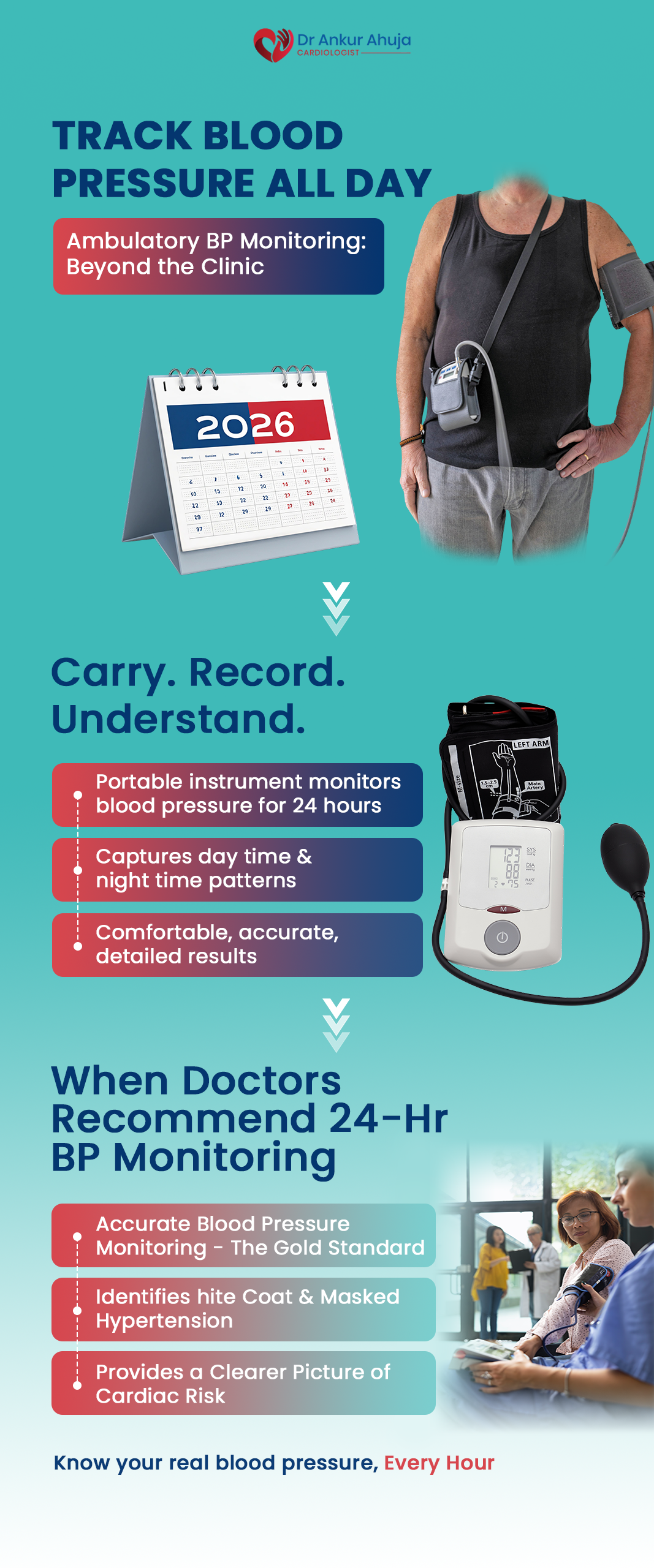
- Routine blood pressure monitoring
- Regular cholesterol testing
- Healthy eating habits
- Physical activity
- Medication when required
Diabetes and Heart Health
People living with diabetes have a higher chance of developing heart disease because elevated blood sugar damages blood vessels over time.
Diabetes is also commonly associated with:
- High cholesterol
- High blood pressure
- Kidney disease
- Obesity
Managing blood sugar through medication, nutrition and regular exercise helps reduce cardiovascular complications.
Practical Ways to Protect Your Heart
Heart health depends on daily habits rather than occasional efforts. Even small improvements can provide long-term benefits when practiced consistently.
Healthy lifestyle choices not only reduce cardiovascular risk but also improve energy levels and overall well-being.
Build Heart-Healthy Daily Habits
Simple lifestyle changes can make a meaningful difference.
Recommended habits include:
- Walking for at least 30 minutes most days
- Eating more fruits and vegetables
- Choosing whole grains
- Limiting processed foods
- Drinking adequate water
- Sleeping 7–8 hours every night
- Maintaining a healthy body weight
Consistency is more important than perfection.
Don’t Skip Regular Heart Check-ups
Many heart conditions remain silent until complications develop. Routine health screenings help detect problems at an early stage.
Dr. Ankur Ahuja provides preventive heart care focused on identifying cardiovascular concerns before they become emergencies. Personalized health assessments, lifestyle counselling and timely investigations help patients make informed decisions about protecting their heart.
Experts generally recommend regular heart evaluations for individuals over 30 years of age or earlier if there is a strong family history of cardiovascular disease.
Preventing Heart Attacks Naturally
Preventing heart disease starts with making informed lifestyle choices. While some factors, such as age and genetics, cannot be changed, many cardiovascular risks can be managed through healthy habits and regular medical care.
Small, consistent changes often have a greater impact than drastic lifestyle modifications that are difficult to maintain. Focusing on prevention today can reduce the likelihood of serious heart problems in the future.
Adopt Heart-Healthy Lifestyle Habits
Simple daily habits can go a long way in protecting your heart and improving your overall well-being.
Some effective practices include:
- Eat a balanced diet rich in fruits, vegetables, whole grains, and lean protein.
- Exercise for at least 30 minutes on most days.
- Maintain a healthy body weight.
- Avoid smoking and tobacco products.
- Limit alcohol consumption.
- Get 7–8 hours of quality sleep every night.
- Stay hydrated and manage stress effectively.
These habits support better blood pressure, cholesterol, and overall cardiovascular health.
Never Ignore Routine Health Check-ups
Many heart conditions develop silently, making preventive health screenings essential.
Regular check-ups can help detect:
- High blood pressure
- High cholesterol
- Diabetes
- Irregular heart rhythms
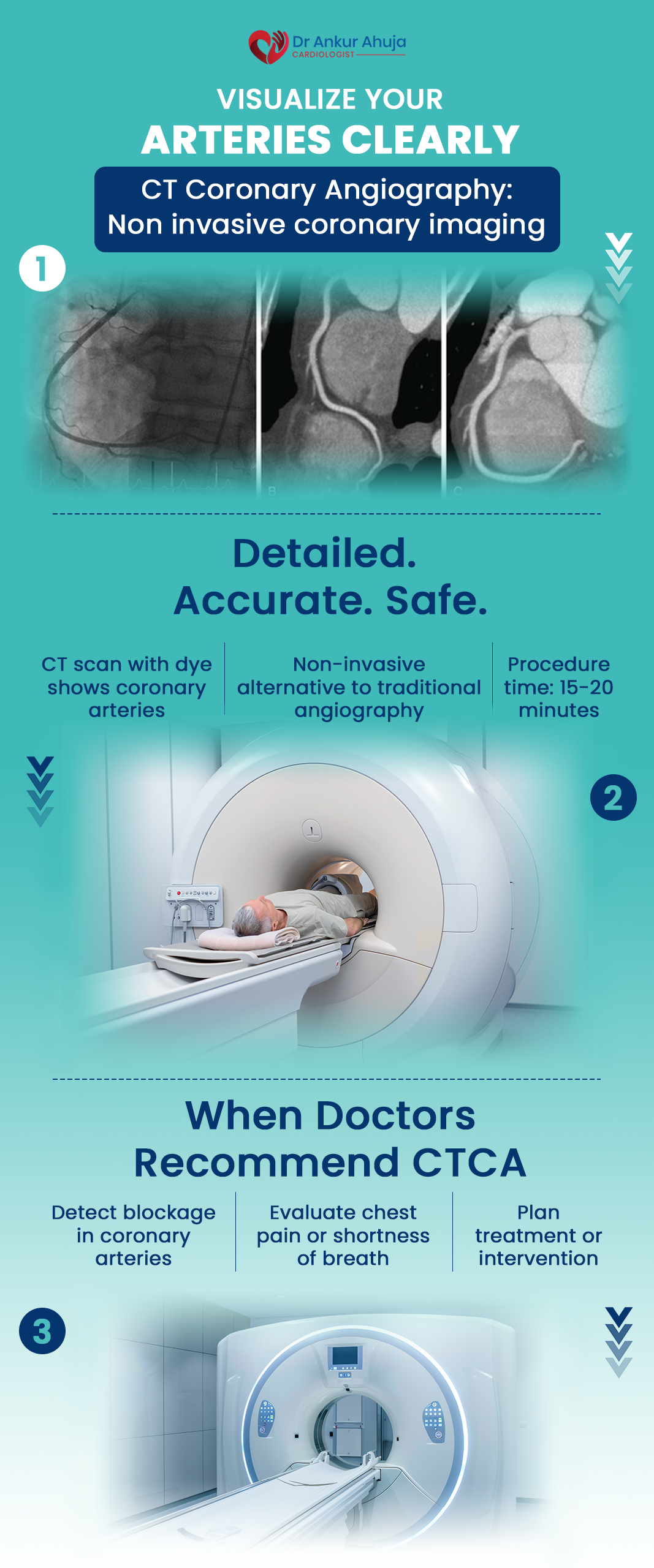
- Early signs of coronary artery disease
Dr. Ankur Ahuja offers preventive cardiac evaluations designed to identify risks early and provide personalized guidance based on each patient’s health profile. Timely diagnosis allows for effective treatment and helps prevent future complications.
When Should You Consult a Cardiologist?
Many people visit a cardiologist only after experiencing severe symptoms. However, seeking medical advice early can help prevent serious cardiovascular conditions.
You should consider a heart evaluation if you:
- Experience frequent chest discomfort or pressure
- Feel breathless during normal activities
- Notice irregular heartbeats or palpitations
- Have high blood pressure or diabetes
- Have high cholesterol levels
- Have a family history of heart disease
- Are above 40 years of age or have multiple lifestyle-related risk factors
Early consultation can help detect problems before they become life-threatening.
Why Early Diagnosis Makes a Difference
Heart disease often progresses gradually. Detecting it in the early stages allows doctors to recommend lifestyle changes, medications or further investigations before irreversible damage occurs.
Regular monitoring not only improves treatment outcomes but also gives patients greater confidence in managing their long-term heart health.
Frequently Asked Questions (FAQs)
Q1. Can healthy people get a heart attack?
Yes. Even healthy individuals can experience a heart attack due to hidden medical conditions, genetics, chronic stress, or undiagnosed cardiovascular problems.
Q2. What are the common heart attack risk factors?
High blood pressure, diabetes, high cholesterol, smoking, obesity, stress, lack of exercise and family history are among the most common contributors.
Q3. What are the early warning signs of a heart attack?
Chest pain, breathlessness, pain in the arm or jaw, dizziness, nausea, excessive sweating and unusual fatigue are common warning signs that require immediate medical attention.
Q4. Can stress increase the risk of heart disease?
Yes. Chronic stress may increase blood pressure, inflammation and unhealthy lifestyle habits, all of which can negatively affect heart health.
Q5. How can I keep my heart healthy naturally?
A nutritious diet, regular exercise, quality sleep, stress management, avoiding tobacco and routine health screenings are effective ways to maintain a healthy heart.
Q6. Who should undergo regular heart screening?
Adults over 30 with diabetes, high blood pressure, high cholesterol, obesity or a family history of heart disease should consider routine cardiac evaluations.
Q7. Why choose Dr. Ankur Ahuja for preventive heart care?
Dr. Ankur Ahuja provides evidence-based cardiac care with a strong focus on prevention, early diagnosis, personalized treatment plans and long-term heart health management.
Conclusion
A healthy looking appearance does not always mean a healthy heart. Many cardiovascular diseases develop silently, underscoring the importance of awareness and preventive care now more than ever. Understanding the risks, recognizing the warning signs and making smart lifestyle choices can do a lot to reduce the risk of serious heart disease.
Regular health check-ups, balanced nutrition, physical activity, quality sleep, and effective stress management all contribute to maintaining a strong and healthy heart. Equally important is paying attention to your family’s medical history and seeking timely medical advice whenever symptoms or concerns arise.
Dr. Ankur Ahuja‘s approach to patient care goes beyond treatment. The focus is on helping individuals understand their cardiovascular health, identify risks early, and adopt practical strategies that support lifelong heart wellness.
Taking proactive steps today can make a meaningful difference tomorrow. Protecting your heart begins with awareness, informed decisions and expert guidance when you need it most.