Chest pain is one of the most common reasons for people to seek care at an emergency department. While most cases are caused by benign digestive conditions like gas or acidity, chest discomfort can be an early warning sign of a serious heart condition. The symptoms are often similar, so it is often hard to tell the difference without a proper medical evaluation.
Understanding heart-related chest pain is essential because delaying treatment during a heart attack can have life-threatening consequences. On the other hand, assuming every episode of chest discomfort is heart-related may lead to unnecessary anxiety.
Many patients wonder whether they are experiencing chest pain or gas, especially when the discomfort appears after eating or during stressful situations. Although indigestion and acidity can cause pain in the chest, heart problems usually have distinct characteristics that should never be ignored.
At Dr. Ankur Ahuja’s, patients are encouraged to seek medical advice whenever chest pain is unexplained, persistent or accompanied by other concerning symptoms. Early diagnosis remains one of the most effective ways to prevent serious cardiovascular complications.
In this article, you’ll learn how to identify different types of chest pain, understand warning signs and know when immediate medical attention is necessary.
What Is Heart-Related Chest Pain?
Chest pain that is related to the heart occurs when the heart muscle does not receive enough oxygen-rich blood. This is often caused by the narrowing or blockage of the coronary arteries.
The discomfort may be different for each person. Some people describe it as pressure or heaviness, some feel a squeezing, burning or tightness across the chest.
Unlike muscle pain, heart pain usually does not improve with body position changes or stretching.
Common Symptoms of Heart-Related Chest Pain
The symptoms of heart-related chest pain can vary depending on the underlying condition, but several signs are commonly reported.
These include:
- Pressure or tightness in the center of the chest
- Pain spreading to the left arm, shoulder, jaw, neck or back
- Shortness of breath
- Cold sweats
- Nausea
- Dizziness
- Sudden fatigue
These symptoms may develop gradually or appear suddenly. If they persist for more than a few minutes, immediate medical attention is essential.
Does Heart Pain Always Feel Severe?
Not always.
Many people expect heart pain to be sudden and unbearable. However, some heart conditions cause only mild discomfort that comes and goes.
Older adults, women and people with diabetes may experience less typical symptoms such as:
- Mild chest pressure
- Breathlessness
- Unusual tiredness
- Pain in the upper back
- Indigestion-like discomfort
Because these symptoms are subtle, they are often ignored until the condition becomes more serious.
Can Gas or Acidity Cause Chest Pain?
Yes. Another common cause of chest discomfort not related to the heart is digestive problems.
Many worry about their heart when pressure builds up in the upper abdomen and chest due to acidity, acid reflux, bloating and trapped gas.
Digestive pain is generally not dangerous, but one should never self-diagnose without consideration of possible heart-related causes.
Chest Pain Caused by Gas or Acidity
Chest pain caused by gas or acidity often develops after eating a large meal, consuming spicy foods or lying down shortly after eating.
It may be accompanied by:
- Bloating
- Burping
- Burning sensation in the chest
- Sour taste in the mouth
- Abdominal discomfort
These symptoms often improve after passing gas, taking antacids or changing body position.
Why People Confuse Gas Pain With Heart Problems
Both conditions may cause discomfort in the chest, making them difficult to distinguish without medical evaluation.
However, digestive pain is more likely to:
- Occur after meals
- Improve with antacid medication
- Change with movement or body position
- Be associated with bloating or belching
Heart-related pain, on the other hand, is more likely to occur during physical activity or emotional stress and may spread to other parts of the body.
Difference Between Heart Pain and Gas Pain
Understanding the difference between heart pain and gas pain can help you recognize when symptoms require urgent medical attention.
Although there are similarities, several important differences exist.
| Heart-Related Chest Pain | Gas or Acidity Pain |
| Pressure, heaviness or squeezing sensation | Burning or bloated feeling |
| May spread to the arm, jaw, neck or back | Usually remains around the upper abdomen or chest |
| Often triggered by physical activity or stress | Frequently occurs after meals |
| Usually lasts several minutes | Often improves after burping or taking antacids |
| May occur with sweating, breathlessness, or nausea | Commonly associated with bloating and indigestion |
While this comparison can be helpful, it should never replace a medical evaluation. When symptoms are severe or uncertain, it is always safer to seek immediate medical care.
Never Rely on Self-Diagnosis
Many people delay treatment because they assume their chest pain is caused by acidity or indigestion.
Unfortunately, this delay can be dangerous if the discomfort is actually related to the heart.
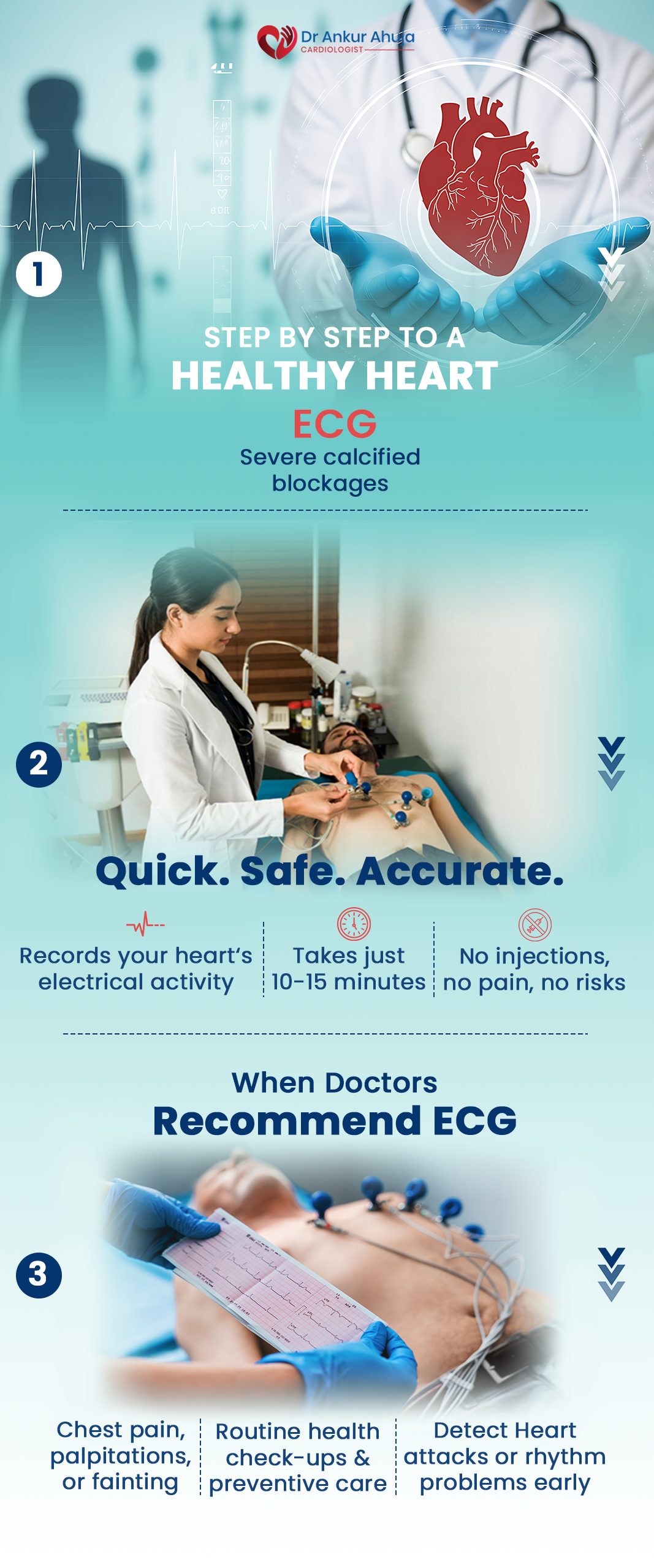
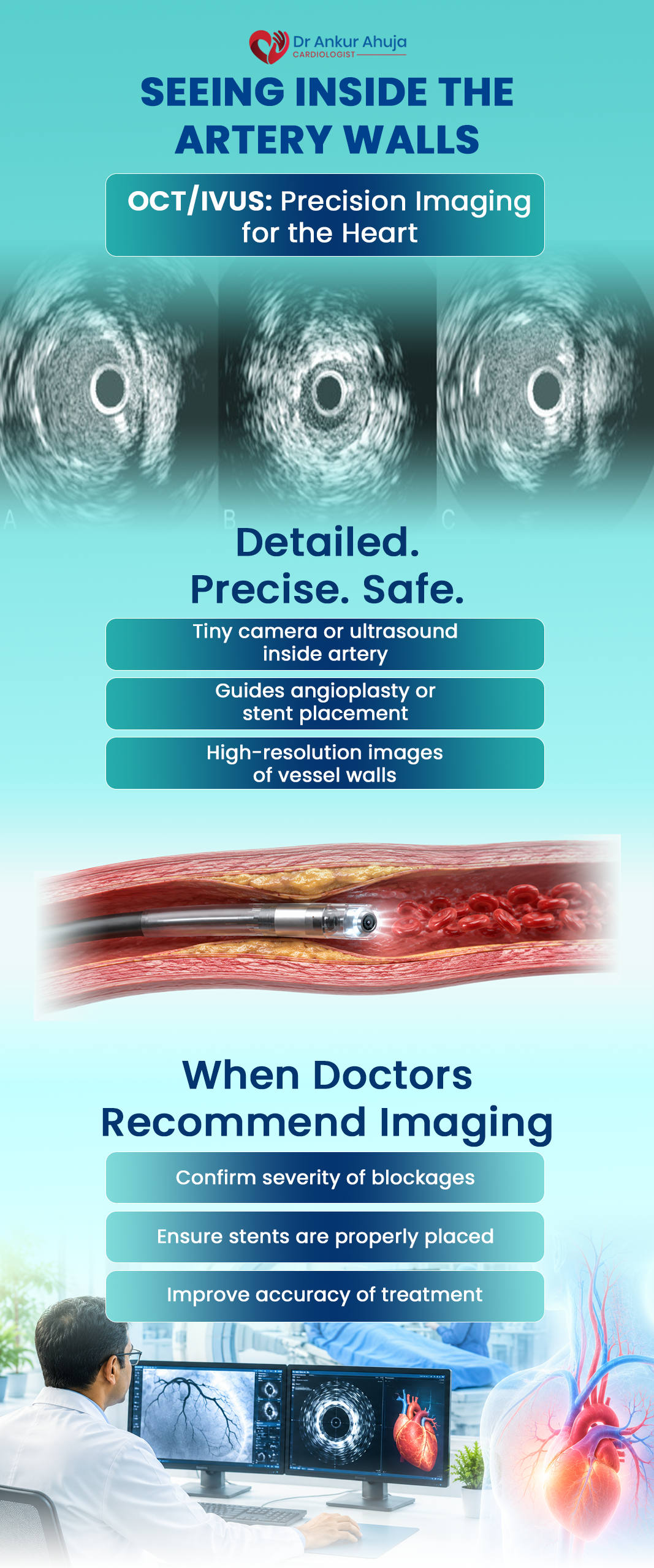
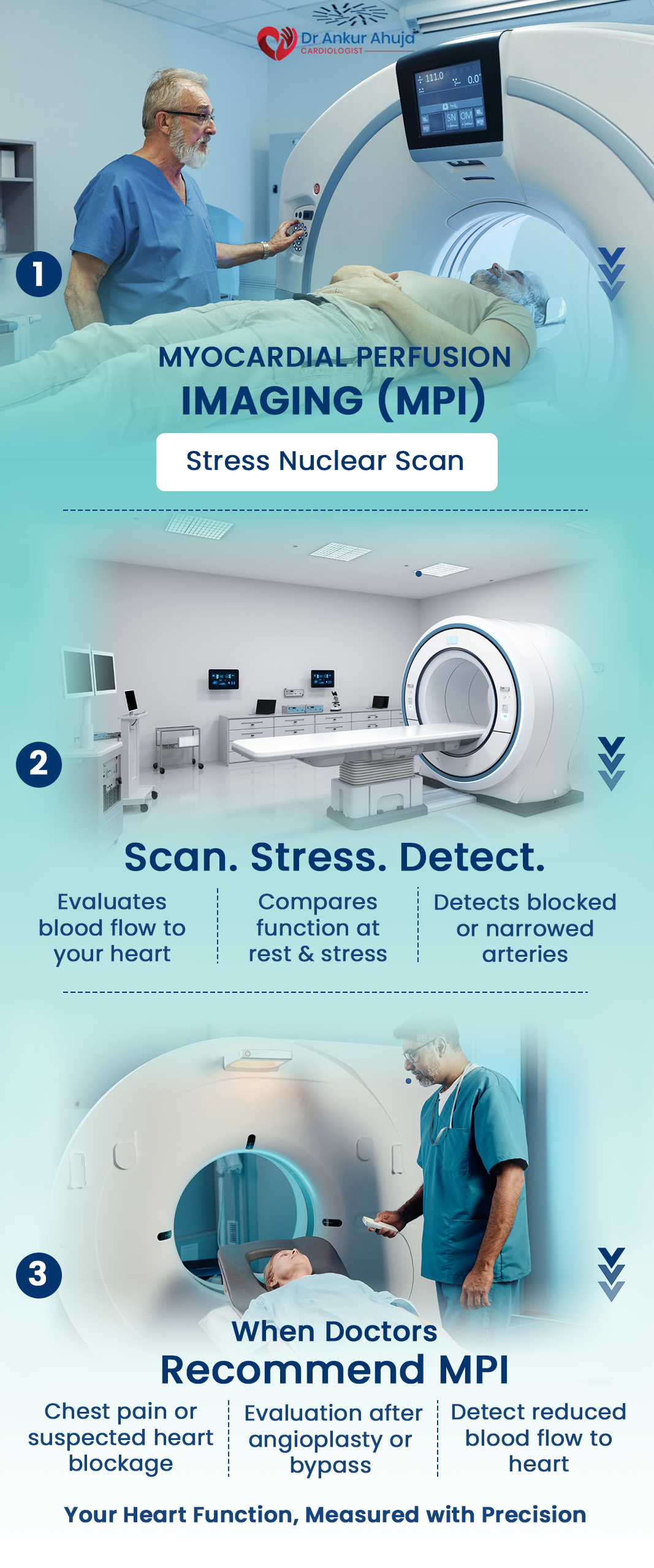
At Dr. Ankur Ahuja’s patients with unexplained chest pain are evaluated using evidence-based diagnostic methods, including ECG, blood tests and cardiac imaging when necessary. Early diagnosis allows timely treatment and greatly improves outcomes.
Warning Signs That Require Emergency Care
Not every episode of chest pain is life-threatening, but certain symptoms should never be ignored. A heart attack can progress quickly and delaying treatment may increase the risk of permanent heart damage.
Knowing the warning signs helps you make timely decisions and seek immediate medical care when necessary.
If you experience persistent chest discomfort along with other concerning symptoms, do not attempt to self-diagnose or wait for the pain to disappear.
Symptoms That Need Immediate Medical Attention
Seek emergency medical care immediately if your chest pain is accompanied by:
- Severe pressure or tightness in the chest
- Pain spreading to the left arm, jaw, neck, shoulder or back
- Difficulty breathing
- Cold sweats
- Sudden dizziness or fainting
- Nausea or vomiting
- Rapid or irregular heartbeat
These symptoms may indicate a heart attack or another serious cardiovascular emergency that requires immediate treatment.
Don’t Ignore Chest Pain During Physical Activity
Chest discomfort that develops while walking, climbing stairs, exercising or performing routine activities should never be ignored.
Pain triggered by physical exertion may indicate reduced blood flow to the heart, especially if it improves with rest.
If this pattern occurs repeatedly, schedule a cardiac evaluation as soon as possible.
How to Tell If Chest Pain Is Serious
One of the most common questions patients ask is how to tell if chest pain is serious. While no one can diagnose the cause based on symptoms alone, certain characteristics make heart-related conditions more likely.
Understanding these signs helps you know when immediate medical attention is necessary.
Questions to Ask Yourself
If you experience chest pain, consider the following:
- Did the pain start suddenly?
- Does it feel like pressure or squeezing?
- Is the pain spreading to another part of the body?
- Are you experiencing breathlessness or sweating?
- Does the pain continue despite resting?
If your answer is yes to one or more of these questions, seek medical attention without delay.
Why Self-Treatment Can Be Risky
Many people assume chest discomfort is caused by acidity and take over-the-counter antacids before consulting a doctor.
While digestive problems are common, relying solely on home remedies can delay treatment if the underlying cause is a heart condition.
When chest pain is new, severe or unexplained, it is always safer to consult a healthcare professional rather than making assumptions.
Heart Attack Chest Pain Symptoms You Should Recognize
A heart attack often produces symptoms beyond chest discomfort. Recognizing these early signs allows quicker diagnosis and treatment.
Symptoms can vary depending on age, gender and existing medical conditions.
Typical Symptoms
The most common heart attack chest pain symptoms include:
- Heavy pressure in the center of the chest
- Pain spreading to the left arm or jaw
- Shortness of breath
- Excessive sweating
- Nausea
- Sudden weakness
The discomfort usually lasts for several minutes and may come and go before becoming more intense.
Symptoms Can Be Different in Women
Women often experience less obvious symptoms compared to men.
Instead of severe chest pain, they may notice:
- Unusual fatigue
- Pain in the upper back
- Neck discomfort
- Breathlessness
- Nausea
- Mild chest pressure
Because these symptoms can resemble indigestion or exhaustion, many women delay seeking medical care. Early recognition is essential for better outcomes.
When to Consult a Cardiologist
Not every chest pain requires emergency treatment, but recurring or unexplained symptoms should always be evaluated by a heart specialist.
Early diagnosis helps identify underlying heart conditions before they become serious.
Signs You Should Schedule a Cardiac Evaluation
You should consult a cardiologist if you experience:
- Recurrent chest discomfort
- Chest pain during exercise
- Shortness of breath without a clear reason
- Palpitations or irregular heartbeat
- High blood pressure
- High cholesterol
- Diabetes
- A family history of heart disease
Ignoring these symptoms may delay diagnosis and increase the risk of future complications.
How Dr. Ankur Ahuja Can Help
At Dr. Ankur Ahuja’s, patients receive comprehensive cardiac evaluations designed to identify heart conditions at an early stage.
Depending on your symptoms, your evaluation may include:
- Electrocardiogram (ECG)
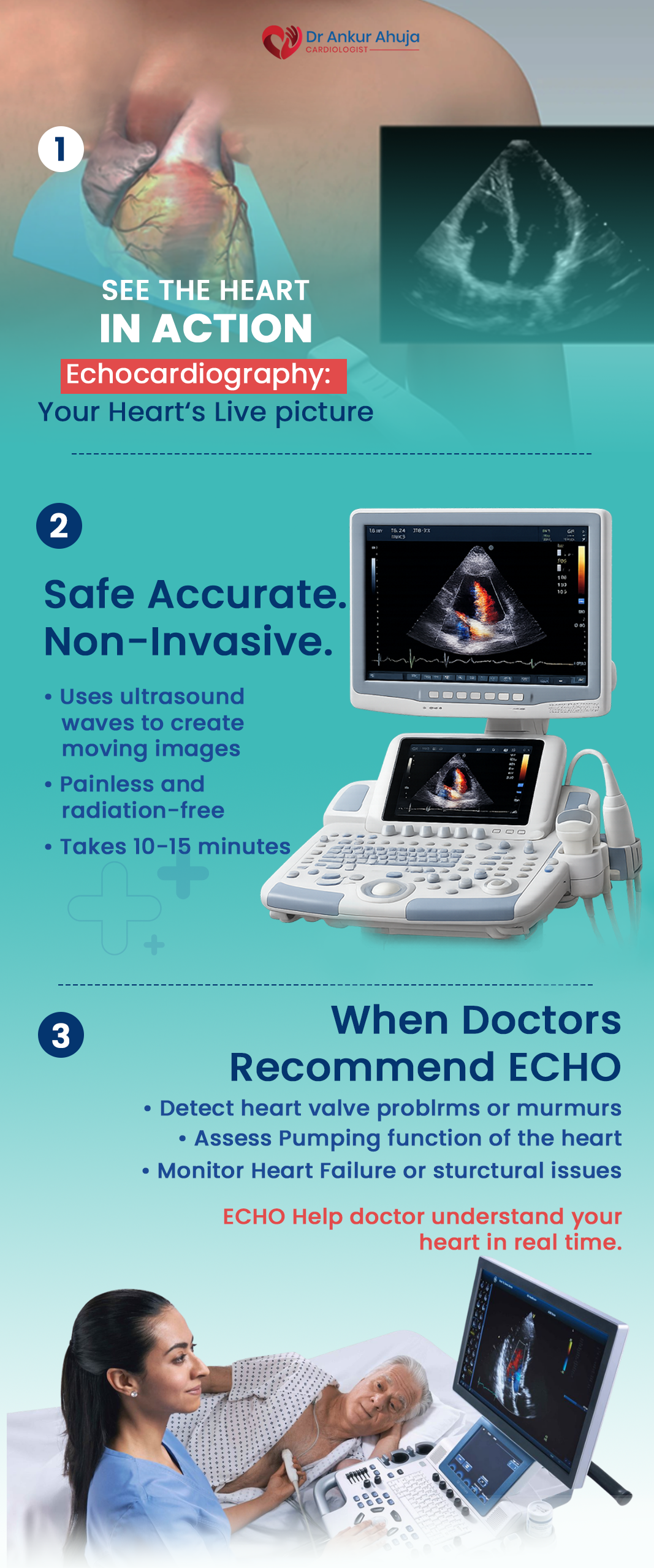
- Echocardiography
- Blood investigations
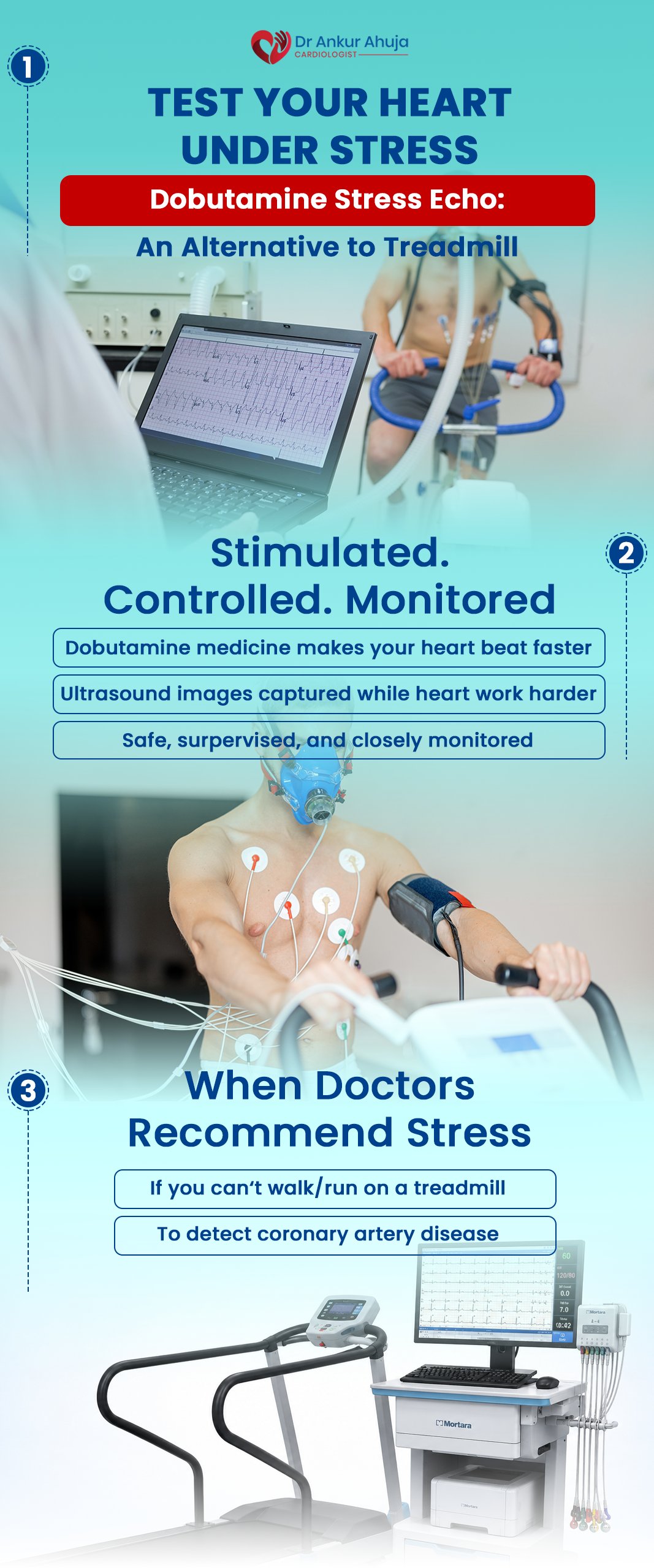
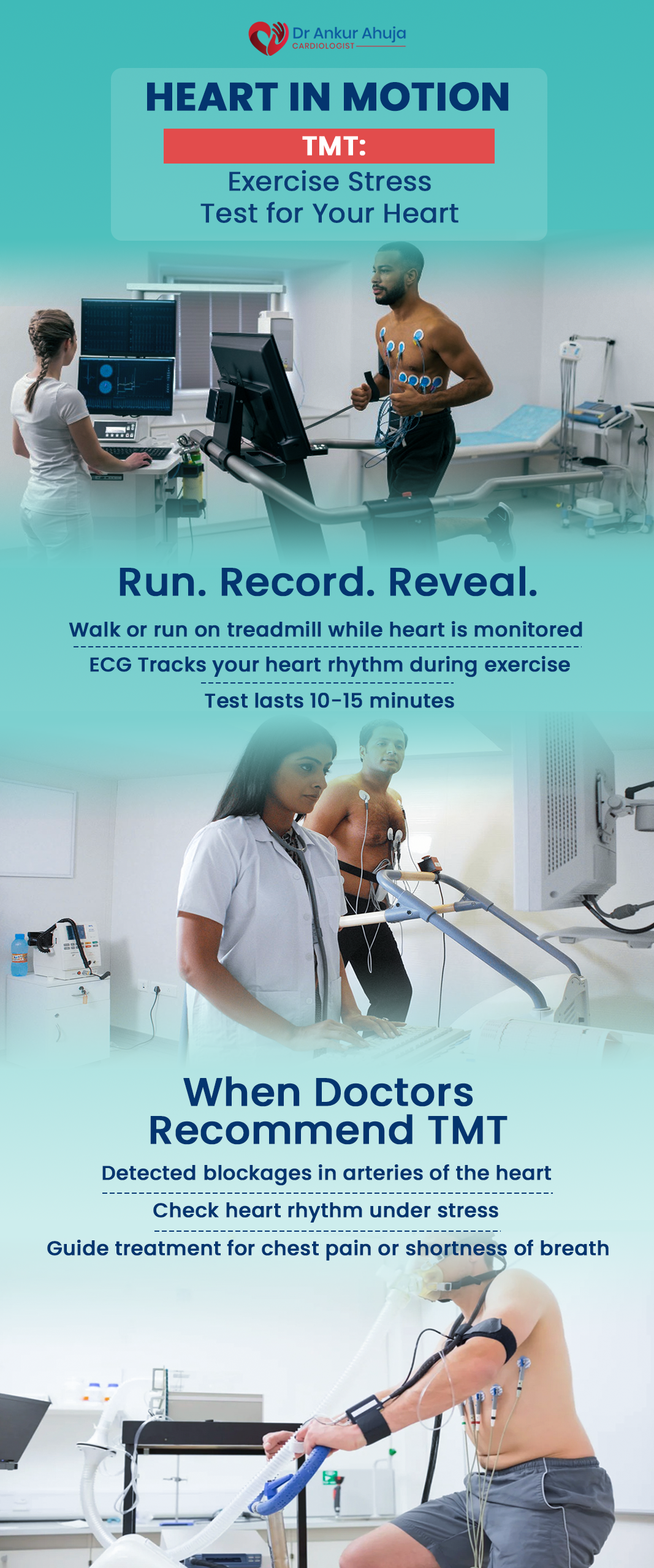
- Stress testing
- Risk factor assessment
- Personalized treatment planning
The goal is not only to diagnose heart disease but also to help patients reduce future cardiovascular risk through preventive care and lifestyle guidance.

Tips to Keep Your Heart Healthy
While not every heart condition can be prevented, adopting healthy habits can significantly lower your overall cardiovascular risk.
Daily Habits That Support Heart Health
Simple lifestyle changes include:
- Eat a balanced, heart-friendly diet.
- Stay physically active for at least 30 minutes a day.
- Maintain a healthy weight.
- Avoid smoking and tobacco products.
- Limit alcohol intake.
- Manage stress through relaxation techniques.
- Sleep for 7–8 hours every night.
- Schedule regular health check-ups.
These habits support better heart function and overall well-being.
Frequently Asked Questions (FAQs)
Q1. How can I tell if my chest pain is heart-related or just gas?
Heart-related chest pain often feels like pressure or tightness and may spread to the arm, jaw or back. Gas pain is usually linked to bloating or acidity and often improves after passing gas or taking antacids.
Q2. Can gas pain feel like a heart attack?
Yes. Gas pain can mimic heart attack symptoms. If the pain is severe, persistent or occurs with sweating, breathlessness or dizziness, seek immediate medical attention.
Q3. When should I see a doctor for chest pain?
See a doctor if chest pain lasts for several minutes, keeps returning, worsens with activity or is accompanied by shortness of breath, nausea or pain radiating to the arm or jaw.
Q4. What are the common causes of non-heart-related chest pain?
Non-heart-related chest pain can result from gas, acid reflux, muscle strain, anxiety or lung conditions. A medical evaluation is the best way to identify the exact cause.
Q5. Can stress cause chest pain?
Yes. Stress and anxiety can cause chest discomfort, but persistent or unexplained chest pain should always be evaluated to rule out a heart condition.
Q6. Is chest pain after eating always caused by gas?
No. While gas and acidity are common causes, chest pain after eating can sometimes be related to heart disease, especially in people with existing cardiovascular risk factors.
Q7. Why should I consult Dr. Ankur Ahuja for chest pain?
Dr. Ankur Ahuja provides expert cardiac evaluation, accurate diagnosis and personalized treatment plans to identify the cause of chest pain and protect your heart health.
Conclusion
Do not ignore the chest pain even if you think it is due to gas or acidity. Although common causes of chest pain are gastrointestinal issues, some symptoms may be signs of an underlying heart condition that requires emergency care.
Understanding the characteristics of heart-related chest pain can help you recognize when the discomfort is more than just indigestion. Pain that feels like pressure, spreads to the arm or jaw, occurs during physical activity or is accompanied by breathlessness, sweating or dizziness should always be evaluated without delay.
The safest approach is not to guess the cause of chest pain but to seek timely medical advice. Early diagnosis not only improves treatment outcomes but can also prevent life-threatening complications.
At Dr. Ankur Ahuja patients’ treatment begins with a correct diagnosis and an evidence-based treatment. Whether your symptoms are heart-related or not, a comprehensive evaluation will help make sure you get the right care at the right time. If you experience recurring or unexplained chest pain, don’t wait. See a qualified cardiologist and take the first step to protect your heart health.
Medical Disclaimer
Disclaimer: This article is intended for educational purposes only and should not replace professional medical advice, diagnosis or treatment. If you experience severe or persistent chest pain, seek immediate medical attention or consult Dr. Ankur Ahuja for expert evaluation.