A heart attack doesn’t always start with dramatic chest pain. In some people the warning signs may be mild, unusual or mistaken for tiredness, indigestion, stress or a minor health problem. Getting these signs early can make a big difference, because prompt medical treatment can limit damage to the heart muscle and lead to better outcomes.
The phrase silent symptoms of a heart attack can be confusing because a truly “silent” heart attack may cause few or no noticeable symptoms. Other heart attacks may produce subtle warning signs that people notice but don’t recognize as potentially cardiac. This distinction matters: unusual symptoms should not automatically be dismissed simply because they aren’t severe.
Some people may experience unusual fatigue, shortness of breath, sweating, nausea, dizziness or discomfort in areas such as the jaw, back, shoulder or upper abdomen. Symptoms can also vary between individuals and may differ between men and women.
Patient education and early detection of cardiovascular problems are important parts of responsible heart care at Dr. Ankur Ahuja. If people are aware of potential warning signs, it may motivate them to seek medical help before the symptoms get severe.
This article explains ten symptoms that may occur before or during a heart attack, important risk factors, differences in presentation and situations in which emergency care is necessary.
Medical note: This article is for general education and does not replace an examination by a qualified doctor. If you have possible heart attack symptoms, especially chest pressure, breathing difficulty, fainting or severe discomfort, seek emergency medical care immediately.
What Does a “Silent” Heart Attack Mean?
Silent Does Not Always Mean Symptom-Free
A silent heart attack is a heart attack that occurs without the classic symptoms a person expects or with symptoms so mild that they aren’t recognized as a cardiac emergency at the time.
Some people may notice only:
- Unusual fatigue
- Mild breathlessness
- Indigestion-like discomfort
- Sweating
- Weakness
- Dizziness
Since these symptoms can be caused by many things, a person may go about normal activities unaware that his or her heart might be at risk.
A silent heart attack can damage heart muscle. So if you have unexplained or unusual symptoms, take them seriously, especially if you have cardiovascular risk factors.
Why Recognition Can Be Difficult
The body doesn’t produce identical symptoms in every heart attack. The location and intensity of discomfort can vary depending on the person and the affected area of the heart.
Some symptoms may also overlap with conditions such as:
- Acid reflux
- Anxiety
- Muscle strain
- Respiratory infections
- Dehydration
- Fatigue
- Indigestion
This overlap makes self-diagnosis unreliable. When symptoms are new, unexplained, persistent or occur together, medical assessment is safer than assuming they have a harmless cause.
10 Warning Symptoms You Should Know
1. Unusual or Sudden Fatigue
Sometimes one of the more subtle early signs of heart attack can be unexpected exhaustion.
Someone may feel very tired after normal activities that normally would not cause tiredness. Some might experience a sudden drop in energy, weakness, or inability to perform everyday tasks.
Fatigue does not necessarily mean a heart attack is occurring. It can be caused by poor sleep, anemia, infection, stress, medication effects or many other conditions.
But if unexplained tiredness is accompanied by breathlessness, sweating, chest pain, nausea or dizziness, medical attention is warranted.
2. Shortness of Breath
Breathlessness can occur before, during or after a cardiac event.
You might notice difficulty breathing while:
- Walking a familiar distance
- Climbing stairs
- Performing routine household activities
- Resting
The heart and lungs work closely together. When the heart cannot pump blood efficiently, fluid can sometimes build up in the lungs or the body may struggle to meet its oxygen demands.
Sudden or severe breathing difficulty should always be treated as an emergency, particularly when it occurs alongside chest discomfort, fainting, sweating or weakness.
3. Chest Pressure or Unusual Discomfort
Not everyone experiences the dramatic, crushing pain often shown in movies.
Heart-related discomfort may feel like:
- Pressure
- Tightness
- Heaviness
- Squeezing
- Fullness
- Burning
It may occur in the center or left side of the chest and can last several minutes or come and go.
Chest discomfort that is new, unexplained, persistent or associated with other symptoms requires immediate medical evaluation.
4. Discomfort in the Jaw, Neck, Shoulder or Arm
Pain or discomfort isn’t necessarily limited to the chest.
Some people experience discomfort that travels toward the:
- Jaw
- Neck
- Shoulder
- Arm
- Upper back
This is sometimes described as referred pain because the nervous system can cause discomfort to be perceived away from the heart.
Unexplained discomfort in these areas becomes more concerning when it occurs alongside breathlessness, sweating, nausea, chest pressure or weakness.
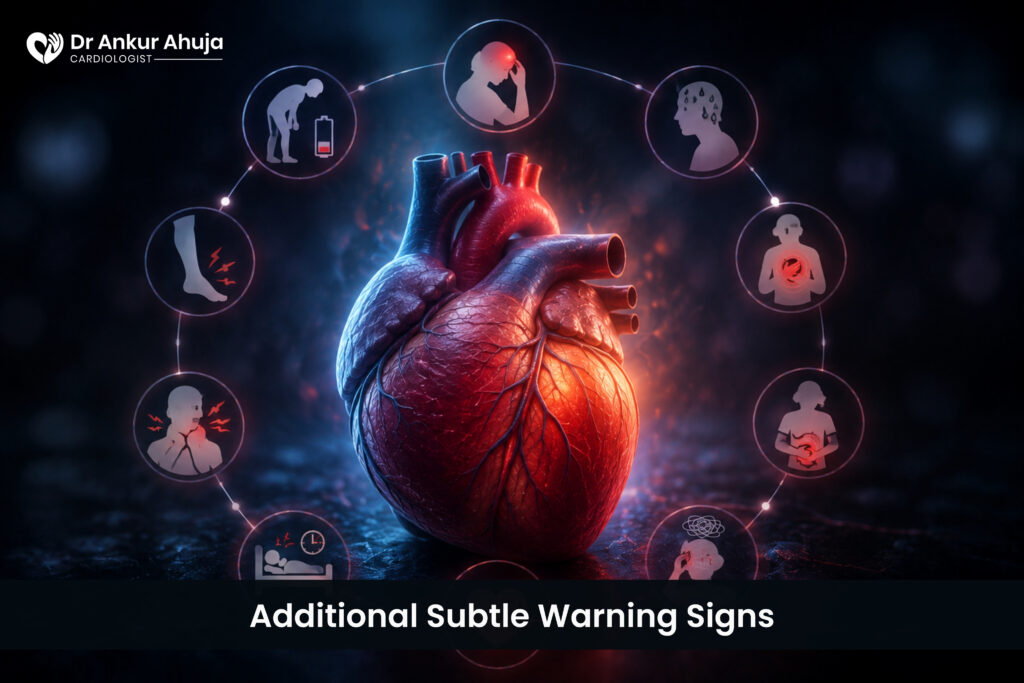
Additional Subtle Warning Signs
5. Nausea or Indigestion-Like Symptoms
Nausea, vomiting or upper-abdominal discomfort can occasionally accompany a cardiac event. Because these symptoms are often associated with digestive problems, they can be overlooked.
Persistent nausea accompanied by sweating, weakness, breathlessness, chest discomfort or unusual fatigue should not simply be assumed to be indigestion.
This is particularly important when the symptoms are new or significantly different from previous digestive problems.
6. Unexplained Sweating
Breaking into a cold sweat without obvious environmental or physical reasons can be a warning sign.
Heart-related sweating may occur together with:
- Chest pressure
- Shortness of breath
- Nausea
- Dizziness
- Weakness
Sweating by itself has many possible explanations, including exercise, fever, anxiety, hormonal changes and heat exposure. The combination of symptoms is what makes the situation more concerning.
7. Dizziness or Lightheadedness
Sudden dizziness or feeling faint can occur when the heart or circulatory system isn’t maintaining adequate blood flow.
A person may feel:
- Unsteady
- Weak
- Lightheaded
- Close to fainting
If dizziness occurs with chest discomfort, breathlessness, sweating or an irregular heartbeat, urgent medical assessment is appropriate.
Fainting or near-fainting with possible cardiac symptoms should never be ignored.
8. Unusual Back Pain
Back discomfort can sometimes be among the less obvious warning signs of a heart attack.
Cardiac-related discomfort may occur in the upper or middle back and may appear with other symptoms rather than as isolated back pain.
Because back pain is extremely common and usually has musculoskeletal causes, its presence alone does not indicate a heart attack. However, sudden unexplained back discomfort combined with chest pressure, breathing difficulty, sweating or nausea requires urgent evaluation.
9. A Feeling of Extreme Weakness
A sudden or unusual feeling of weakness can be difficult to describe. Some people may feel as though they have suddenly “run out of energy.”
This can occur alongside other cardiovascular symptoms and should be taken seriously when it appears suddenly or without an obvious explanation.
Older adults and people with diabetes may sometimes have less typical presentations, making awareness especially important.
10. Anxiety or a Sense That Something Is Wrong
Some people experience unexplained anxiety, restlessness or a strong sense that something isn’t right around a cardiac event.
Anxiety itself is common and does not mean a heart attack is occurring. Panic attacks can also cause chest discomfort, rapid heartbeat, sweating and shortness of breath.
However, new symptoms should not automatically be attributed to anxiety. When physical symptoms are unusual or severe, medical evaluation is the safest approach.
Why These Symptoms Shouldn’t Be Ignored
Mild Symptoms Can Still Matter
The subtle signs of heart attack can be difficult to recognize because they may not look like the stereotypical emergency.
A person may think:
“I’m just tired.”
“It must be indigestion.”
“I’ve been stressed.”
“I’ll feel better after resting.”
Sometimes those explanations are correct. But when symptoms are new, unexplained or occur in combination, waiting can be dangerous.
Heart muscle is damaged when its blood supply is interrupted. The longer treatment is delayed, the greater the potential for permanent damage.
Risk Factors Change the Level of Concern
Certain medical and lifestyle factors increase the likelihood of coronary artery disease and heart attack.
Important factors include:
- High blood pressure
- High cholesterol
- Diabetes
- Smoking
- Obesity
- Physical inactivity
- Family history of premature heart disease
- Increasing age
- Previous cardiovascular disease
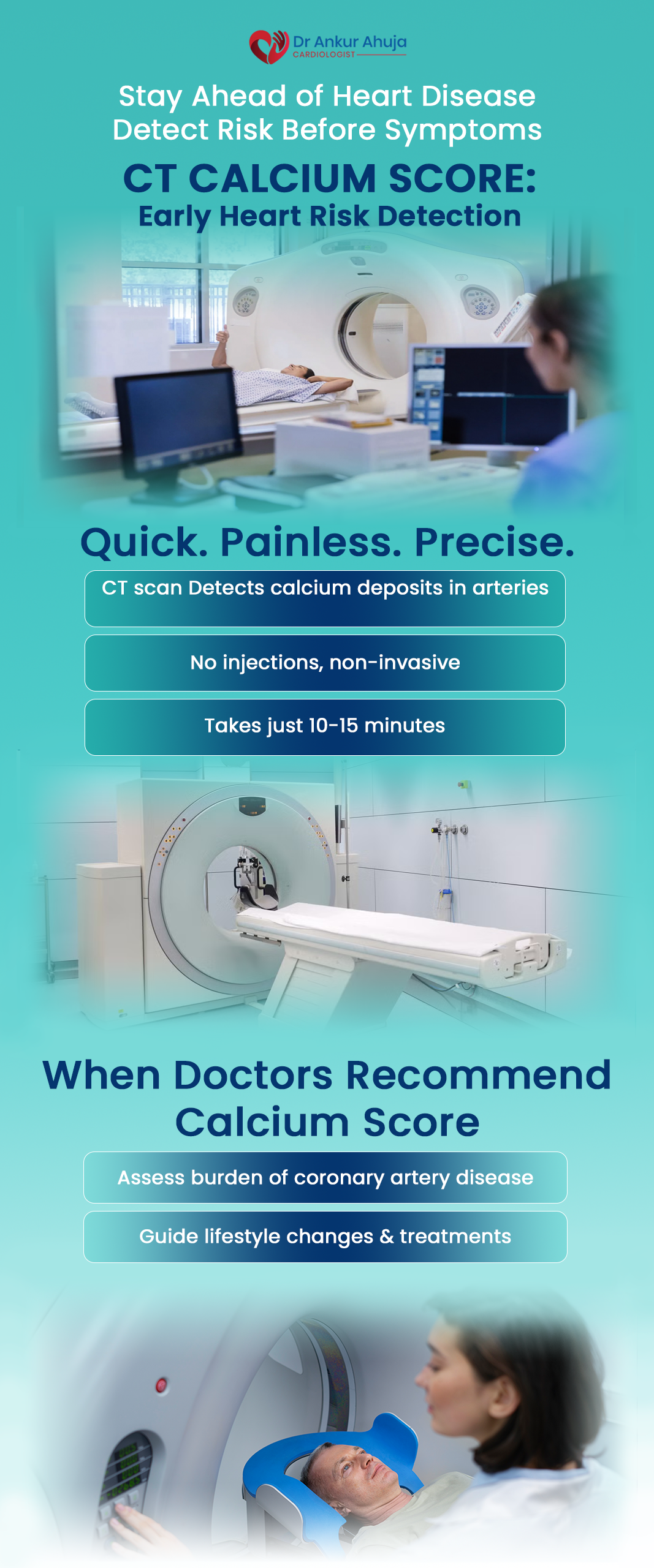
People with several risk factors should discuss cardiovascular prevention and appropriate screening with their healthcare professional.
At Dr. Ankur Ahuja, individualized cardiovascular assessment can help identify risk factors and support evidence-based prevention strategies.
Heart Attack Symptoms Can Differ Between People
Heart Attack Symptoms in Men and Women
Although many symptoms overlap, heart attack symptoms in men and women can sometimes present differently. Chest pressure or discomfort remains an important symptom in both, but women may be more likely to experience symptoms such as unusual fatigue, nausea, shortness of breath, back discomfort or dizziness.
This doesn’t mean women will not experience chest pain and it doesn’t mean men will always have classic symptoms. Every heart attack can present differently.
Women may sometimes attribute symptoms to:
- Stress
- Indigestion
- Hormonal changes
- Fatigue
- Anxiety
Such assumptions can delay treatment. New, unexplained symptoms should be assessed promptly, particularly when multiple symptoms occur together.
Symptoms in Older Adults
Older adults may not always experience the classic presentation. They may notice weakness, breathlessness, confusion, dizziness or reduced ability to perform routine activities rather than severe chest pain.
This can make early recognition challenging.
Family members and caregivers should pay attention to sudden changes such as:
- New difficulty walking
- Unexpected weakness
- Sudden breathlessness
- Confusion or unusual behavior
- Fainting
- Significant decline in activity tolerance
These changes warrant medical assessment, especially in people with known cardiovascular disease.
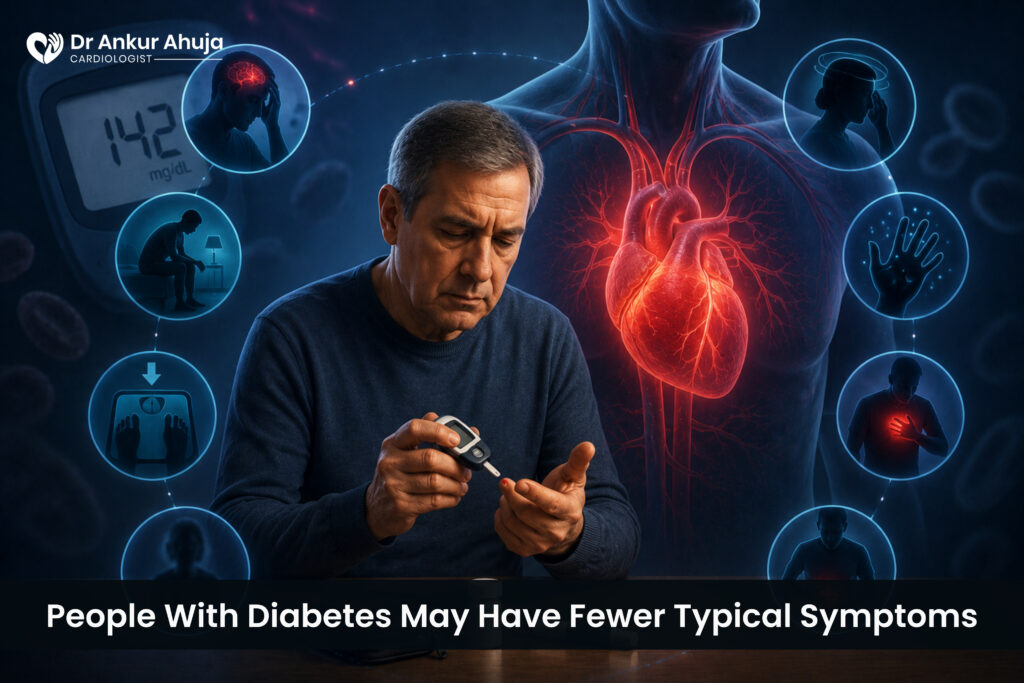
People With Diabetes May Have Fewer Typical Symptoms
Why Diabetes Can Affect Symptom Recognition
People with diabetes can sometimes develop nerve damage that affects how pain signals are perceived. As a result, a cardiac event may occur with less obvious discomfort.
This is one reason people with diabetes should take cardiovascular prevention seriously and maintain regular medical follow-up.
Important preventive measures include:
- Controlling blood glucose
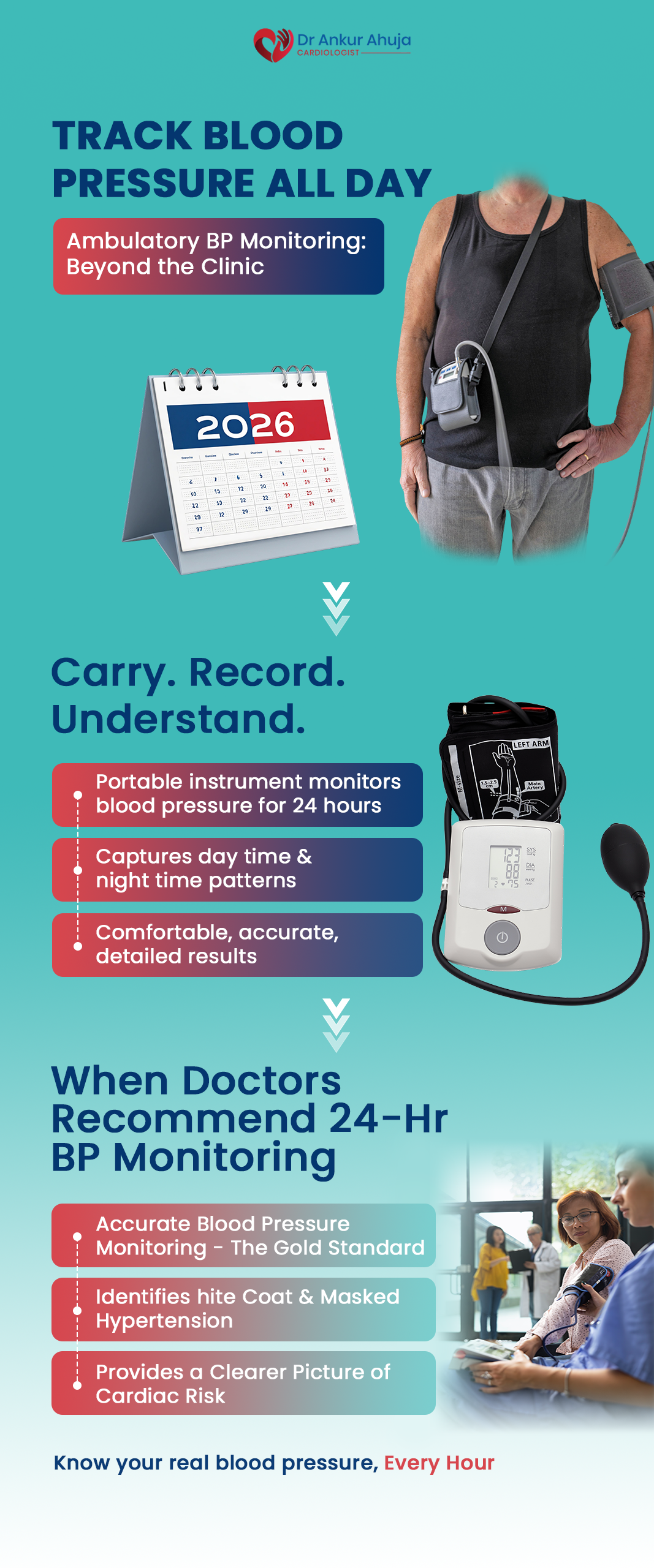
- Monitoring blood pressure
- Managing cholesterol
- Avoiding tobacco
- Maintaining a healthy weight
- Staying physically active
- Following prescribed medications
If you have diabetes and develop unexplained breathlessness, weakness, sweating, nausea or unusual fatigue, contact a healthcare professional promptly.
When Heart Symptoms Become an Emergency
Don’t Wait for Severe Chest Pain
Some people wait for unbearable pain before seeking help. That’s risky.
The heart attack warning signs that require emergency attention can include:
- Chest pressure, squeezing or heaviness
- Shortness of breath
- Discomfort spreading to the arm, jaw, neck, shoulder or back
- Cold sweating
- Sudden dizziness or fainting
- Severe unexplained weakness
- Nausea accompanied by other concerning symptoms
If these symptoms are occurring now, don’t wait to finish reading an article or attempt to determine the cause yourself. Call your local emergency medical service immediately.
What You Should Do While Waiting for Help
If you suspect a heart attack:
- Stop physical activity and sit or rest.
- Call emergency medical services.
- Follow the emergency dispatcher’s instructions.
- Avoid driving yourself to the hospital unless no emergency service is available and there is no safer alternative.
- If prescribed emergency heart medication, use it according to your doctor’s instructions.
- Do not delay emergency care while trying home remedies.
Emergency medical teams can begin assessment and treatment sooner, which may be important for preserving heart muscle.
How Doctors Evaluate Possible Heart Problems
Medical History and Physical Examination
When someone presents with possible cardiac symptoms, healthcare professionals consider the person’s symptoms, medical history, medications, family history and cardiovascular risk factors.
A physical examination may include checking:
- Blood pressure
- Heart rate
- Oxygen level
- Breathing
- Heart sounds
- General circulation
The pattern, timing, duration and triggers of symptoms can also provide important clinical information.
Tests Used to Identify a Heart Attack
Doctors may use several tests depending on the situation.
These can include:
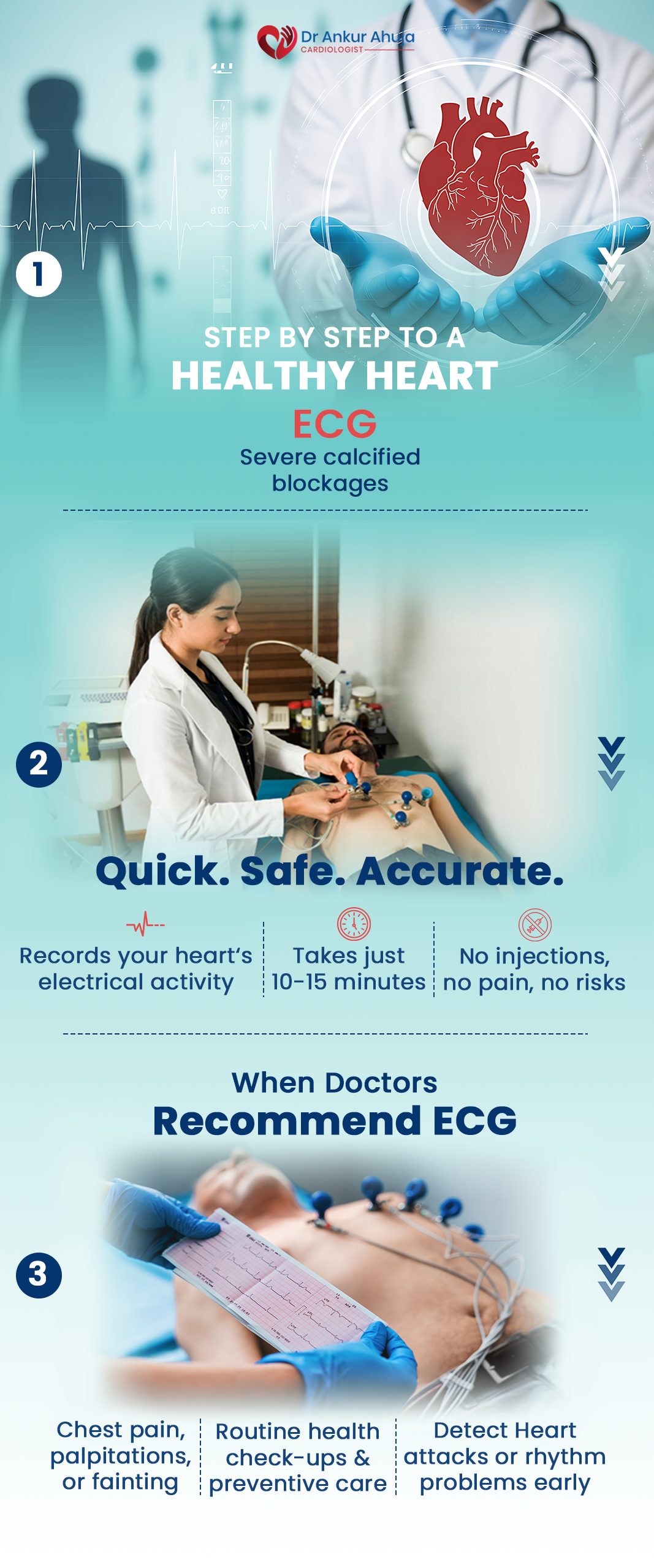
- Electrocardiogram (ECG/EKG)
- Blood tests such as cardiac troponin
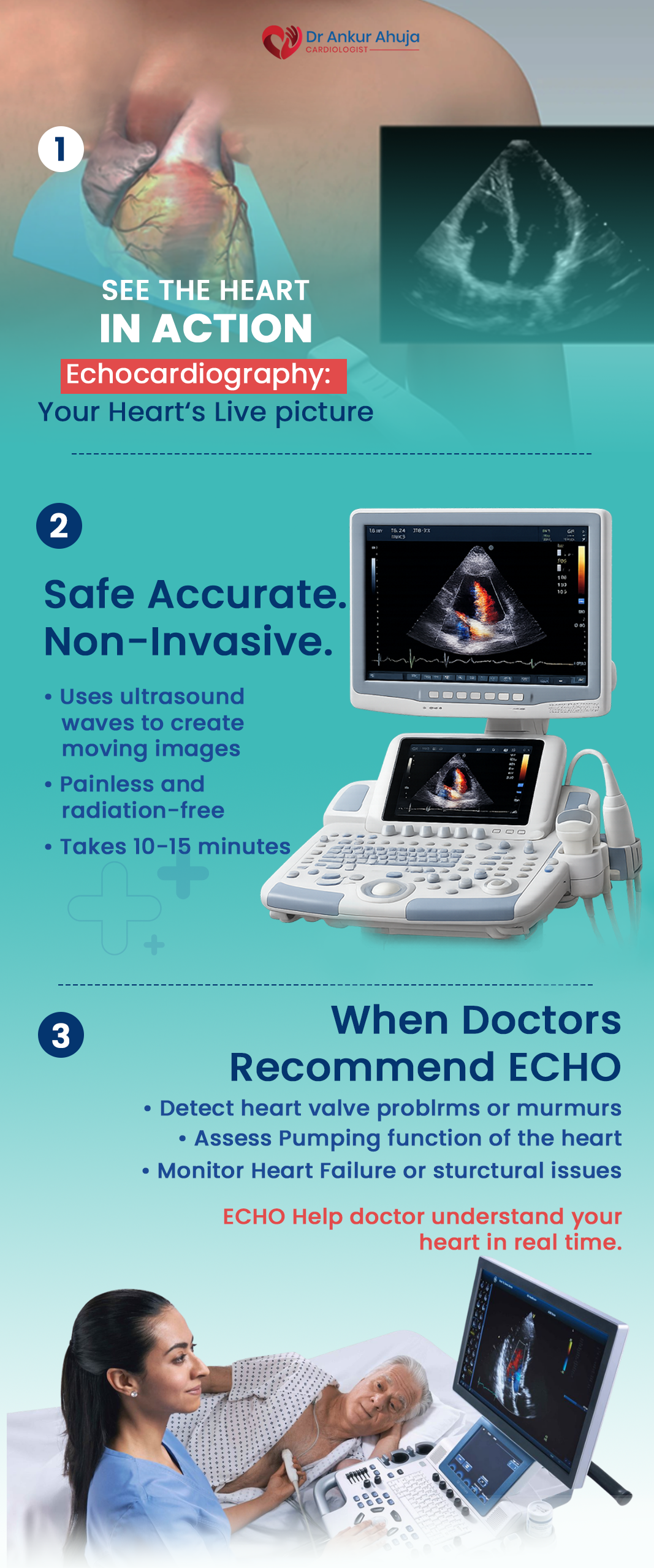
- Echocardiography
- Chest imaging when appropriate
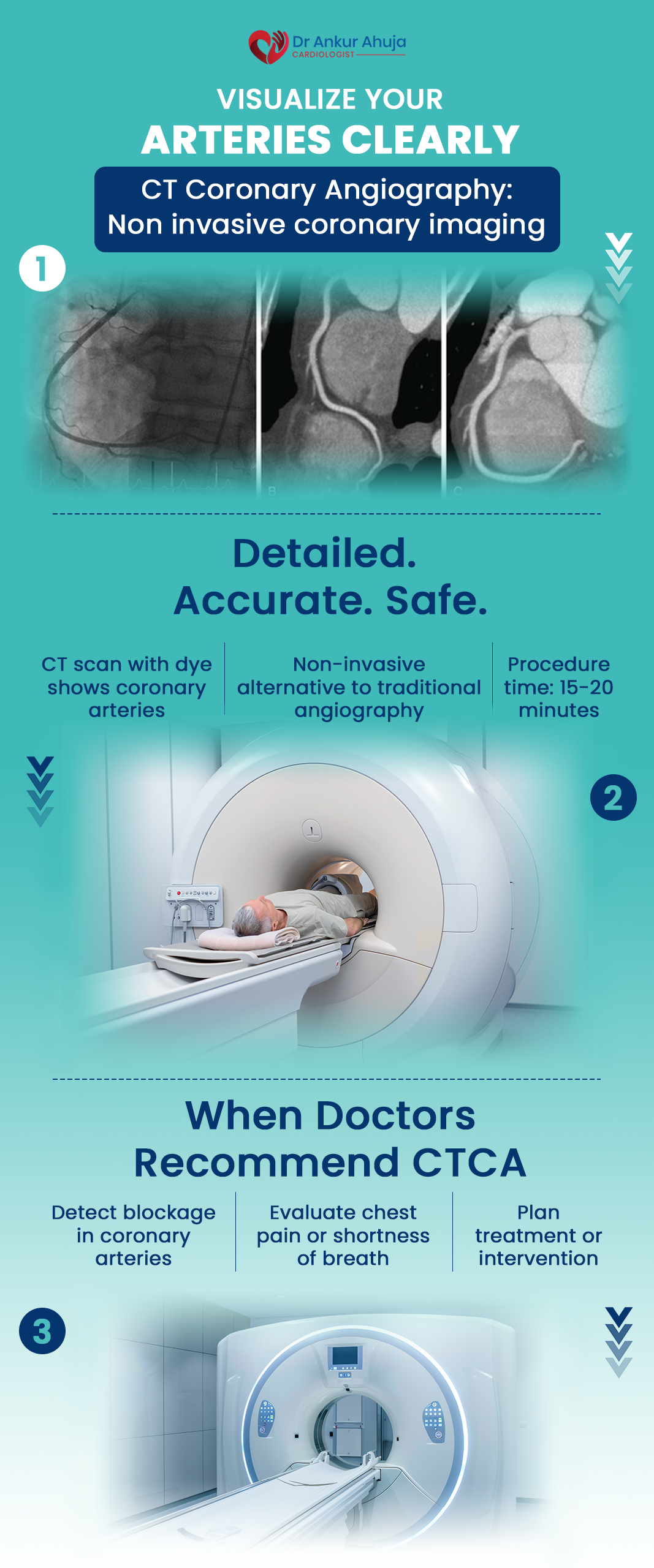
- Coronary imaging or angiography in selected situations
An ECG can identify electrical changes associated with certain heart attacks, while troponin blood testing can detect heart muscle injury.
Only a qualified healthcare team can determine whether symptoms represent a heart attack or another medical condition.
What Can Cause Heart Attacks?
Understanding Coronary Artery Disease
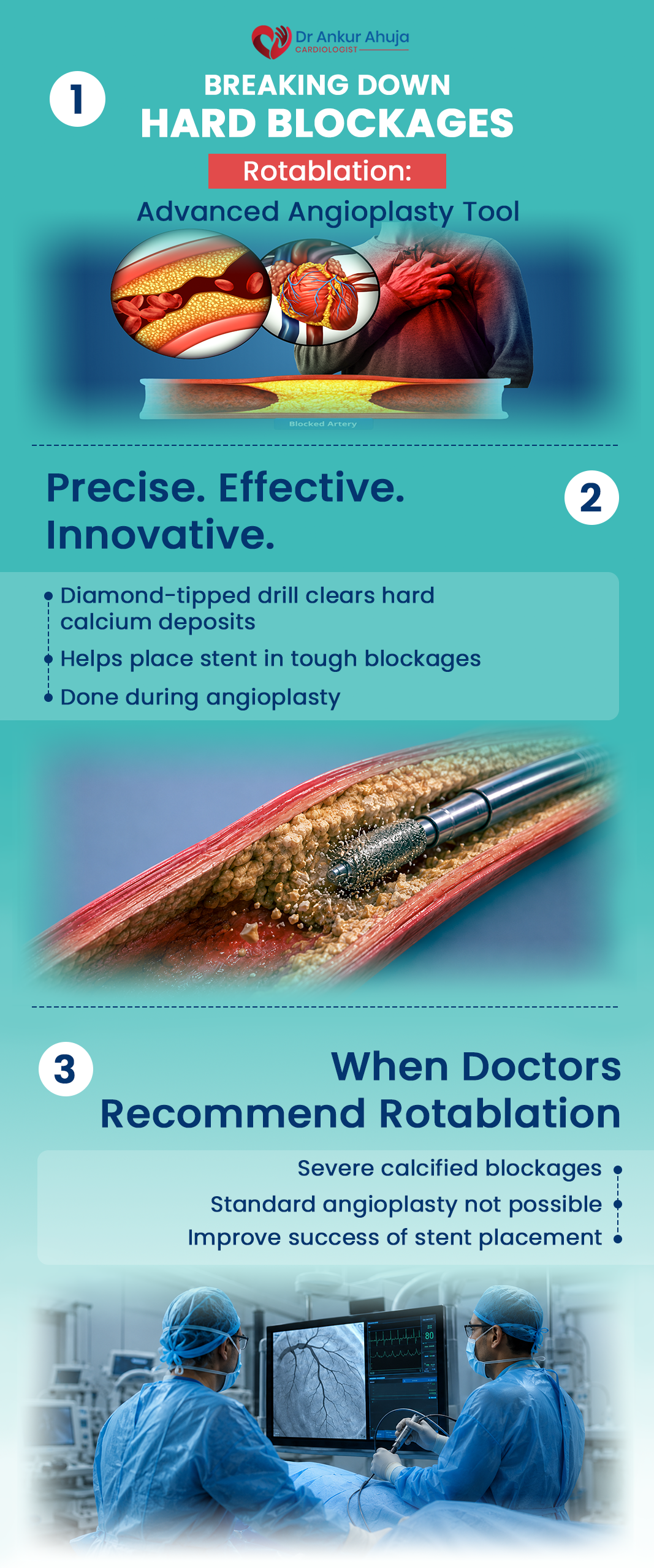
Most heart attacks occur when blood flow through a coronary artery becomes severely restricted or blocked. A common mechanism involves rupture of an atherosclerotic plaque followed by formation of a blood clot.
Over time, fatty deposits can build up within artery walls. Several factors can accelerate this process, including smoking, high cholesterol, high blood pressure, diabetes and other cardiovascular risks.
Understanding these mechanisms highlights why prevention is so important.
The Role of Lifestyle and Medical Conditions
Some signs your heart is in trouble may appear gradually rather than as one dramatic event.
For example, recurring chest discomfort during exertion, unusual breathlessness, declining exercise tolerance or repeated episodes of unexplained fatigue may indicate an underlying cardiovascular problem.
These symptoms don’t necessarily mean a heart attack is imminent, but they deserve medical assessment.
Early evaluation can identify conditions that may be treatable before they progress.
How to Reduce Your Risk
Control Major Cardiovascular Risk Factors
Although not every heart attack can be prevented, addressing modifiable risk factors can substantially improve cardiovascular health.
Important steps include:
- Don’t smoke or use tobacco.
- Monitor and manage blood pressure.
- Check cholesterol as recommended.
- Manage diabetes effectively.
- Maintain a healthy weight.
- Exercise regularly.
- Eat a balanced, heart-healthy diet.
- Get adequate sleep.
- Manage chronic stress.
- Take prescribed medicines consistently.
Your healthcare provider can help determine which goals are appropriate based on your age, medical history and individual risk.
Don’t Ignore Changes in Exercise Tolerance
A gradual reduction in exercise capacity can be easy to overlook.
For example, you might notice that:
- A walk that was previously easy now leaves you breathless.
- You need more breaks when climbing stairs.
- Ordinary activities cause unusual fatigue.
- You experience recurrent discomfort during physical exertion.
These changes should be discussed with a healthcare professional rather than simply attributed to aging or lack of fitness.
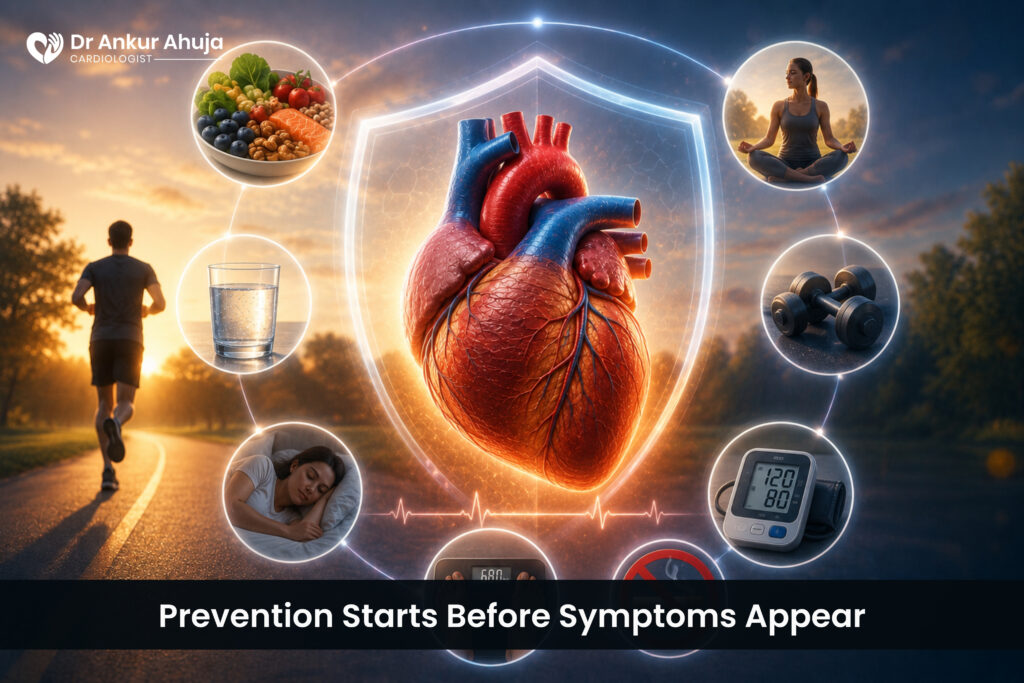
Prevention Starts Before Symptoms Appear
Regular Cardiovascular Check-Ups
Waiting until symptoms become severe isn’t the best approach to heart health.
Routine check-ups can help identify:
- High blood pressure
- Abnormal cholesterol
- Diabetes
- Obesity
- Family-related cardiovascular risk
- Other conditions requiring attention
The appropriate screening schedule varies from person to person.
A healthcare professional can determine which tests and preventive measures are appropriate for you.
Know Your Personal Risk
Your risk for heart disease is not a single thing.
For example, someone who doesn’t smoke could still be at significant risk because of diabetes, high blood pressure, high cholesterol or a strong family history.
Likewise, one risk factor doesn’t mean a heart attack is inevitable.
The aim is to understand the overall risk and to tackle those factors that you have the power to change.
Dr. Ankur Ahuja emphasizes informed, preventive heart care so patients can understand their cardiovascular health and take appropriate action before problems become emergencies.
Frequently Asked Questions About Heart Attack Warning Signs
Q1. Can a heart attack happen without severe chest pain?
Yes. Some heart attacks cause mild or unusual symptoms and some may have very few noticeable symptoms. Possible symptoms can include breathlessness, unusual fatigue, sweating, nausea, dizziness, or discomfort in the back, jaw, shoulder, or arm.
Because symptoms vary, new or unexplained symptoms should not be dismissed.
Q2. What are the most common warning signs of a heart attack?
Common symptoms include chest pressure or discomfort, shortness of breath, sweating, nausea, dizziness and discomfort that may spread to the arm, shoulder, jaw, neck or back.
Symptoms can vary considerably between individuals.
If these symptoms are sudden, severe, persistent or occur together, seek emergency medical attention immediately.
Q3. Can unusual tiredness be related to a heart problem?
Unexplained fatigue can have many causes, including poor sleep, anemia, infections, medications, stress and other medical conditions. However, unusual fatigue accompanied by breathlessness, chest discomfort, sweating, nausea or weakness can sometimes occur with cardiovascular problems.
A healthcare professional can determine the underlying cause.
Q4. Are symptoms different for men and women?
They can be. Chest discomfort is common in both men and women, but women may also experience symptoms such as unusual fatigue, shortness of breath, nausea, dizziness or back discomfort.
However, there is no single symptom pattern that applies to every person. Anyone experiencing concerning symptoms should seek appropriate medical evaluation.
Q5. Can anxiety feel like a heart attack?
Yes. Anxiety and panic attacks can cause chest discomfort, rapid heartbeat, sweating, dizziness and shortness of breath. However, it is not safe to assume that new chest or breathing symptoms are caused by anxiety.
When symptoms are new, severe or unusual, medical evaluation is important.
Q6. Can someone have a heart attack without knowing it?
Yes. A silent heart attack can occur with few or unrecognized symptoms. Some people only discover that they previously experienced one during a later medical examination or heart test.
Regular healthcare visits are particularly important for people with cardiovascular risk factors.
Q7. What should I do if I think I’m having a heart attack?
Stop what you’re doing and call your local emergency medical service immediately. Follow the dispatcher’s instructions and don’t attempt to drive yourself if emergency transportation is available.
Do not wait for symptoms to become unbearable before seeking help.
Q8. Can lifestyle changes lower heart attack risk?
Yes. Avoiding tobacco, staying physically active, eating a balanced diet, maintaining a healthy weight, controlling blood pressure and cholesterol, managing diabetes and taking prescribed medicines can reduce cardiovascular risk.
Your doctor can help create a prevention plan appropriate for your individual health needs.
Conclusion
Understanding the silent symptoms of a heart attack can help people recognize potentially serious changes that might otherwise be overlooked. A heart attack doesn’t always look like sudden, crushing chest pain. Some people experience breathlessness, unusual fatigue, nausea, sweating, dizziness, weakness or discomfort in the jaw, back, shoulder or arm.
However, these symptoms do not necessarily mean that you are having a heart attack. Many may be due to other medical conditions. The important thing is that new unexplained severe or combined symptoms should be evaluated not dismissed .
People with diabetes, high blood pressure, high cholesterol, a history of smoking, or a strong family history of heart disease should be especially careful about prevention and regular medical care.
Heart health is more than knowing an emergency. It’s also about knowing your own risk, managing treatable diseases, maintaining healthy habits and having regular conversations with a qualified health care professional.
At Dr. Ankur Ahuja, the focus on cardiovascular awareness and preventive care helps patients better understand their individual heart-health needs. If you experience symptoms that could indicate a heart attack, don’t rely on an online article to decide what is happening. Seek emergency medical care immediately.
When it comes to the heart, acting early is always better than waiting.