Stress is an inevitable part of our modern life. Deadlines at work, money worries, family commitments and sudden events in life can all put a lot of pressure on your mind and body. Stress is a normal reaction that happens from time to time, but prolonged or severe stress can affect overall health in ways many people may not realise.
One of the most common questions cardiologists hear is, “can stress cause a heart attack?” The answer is more complex than a simple yes or no. Stress itself is not usually the direct cause of a heart attack, but it can contribute to several conditions and behaviors that increase cardiovascular risk. Scientific research shows that chronic stress may raise blood pressure, trigger inflammation, disrupt sleep and encourage unhealthy habits such as smoking, overeating, or physical inactivity—all of which can affect heart health.
Patient education is an integral part of preventive cardiology at Dr Ankur Ahuja clinic. Understanding how emotional and physical stress affect the cardiovascular system helps people make better lifestyle choices and seek timely medical care when necessary.
In this article, we will discuss the science that underlies stress and heart disease, the warning signs you should never ignore, and practical strategies you can use to protect your heart.
Understanding the Connection Between Stress and Heart Health
What Happens in the Body During Stress?
Stress activates the body’s natural “fight-or-flight” response. When the brain perceives a threat, it releases stress hormones such as adrenaline and cortisol. These hormones prepare the body to react quickly by increasing heart rate, raising blood pressure and directing more blood toward the muscles.
This response is useful during short-term emergencies. However, when stress becomes frequent or long-lasting, the cardiovascular system remains under constant strain.
Common physical changes include:
- Faster heartbeat
- Elevated blood pressure
- Increased breathing rate
- Higher blood sugar levels
- Muscle tension
- Greater oxygen demand by the heart
Over time, repeated activation of this stress response may contribute to cardiovascular disease in susceptible individuals.
Why Stress Affects More Than Emotions
Stress influences not only mental well-being but also many biological processes linked to heart health.
Long-term stress may contribute to:
- Persistent high blood pressure
- Chronic inflammation
- Hormonal imbalance
- Poor sleep quality
- Reduced immune function
- Increased unhealthy lifestyle habits
These factors work together and may gradually increase the likelihood of developing cardiovascular disease.
Can Stress Cause a Heart Attack?
What the Scientific Evidence Says
Many people wonder about the fact or myth of can stress cause heart attack. Current medical evidence suggests that stress alone rarely causes a heart attack in a healthy heart. But severe emotional or physical stress can be a trigger for those already at risk for coronary artery disease or other cardiovascular risk factors.
For example, intense emotional events such as the loss of a loved one, a natural disaster, or extreme fear have been associated with a temporary increase in the risk of heart attacks in vulnerable individuals.
Research has also shown that ongoing psychological stress can accelerate processes linked to heart disease, including inflammation and damage to blood vessels.
This is why cardiologists emphasize stress management as part of a comprehensive heart health plan.
The Relationship Between Stress and Heart Attack Risk
The connection between stress and heart attack is often indirect.
Stress may increase risk by:
- Raising blood pressure
- Increasing heart rate
- Encouraging smoking or alcohol use
- Reducing physical activity
- Disrupting healthy sleep
- Promoting unhealthy eating habits
These lifestyle and physiological changes may contribute to plaque buildup in arteries over time, increasing cardiovascular risk.
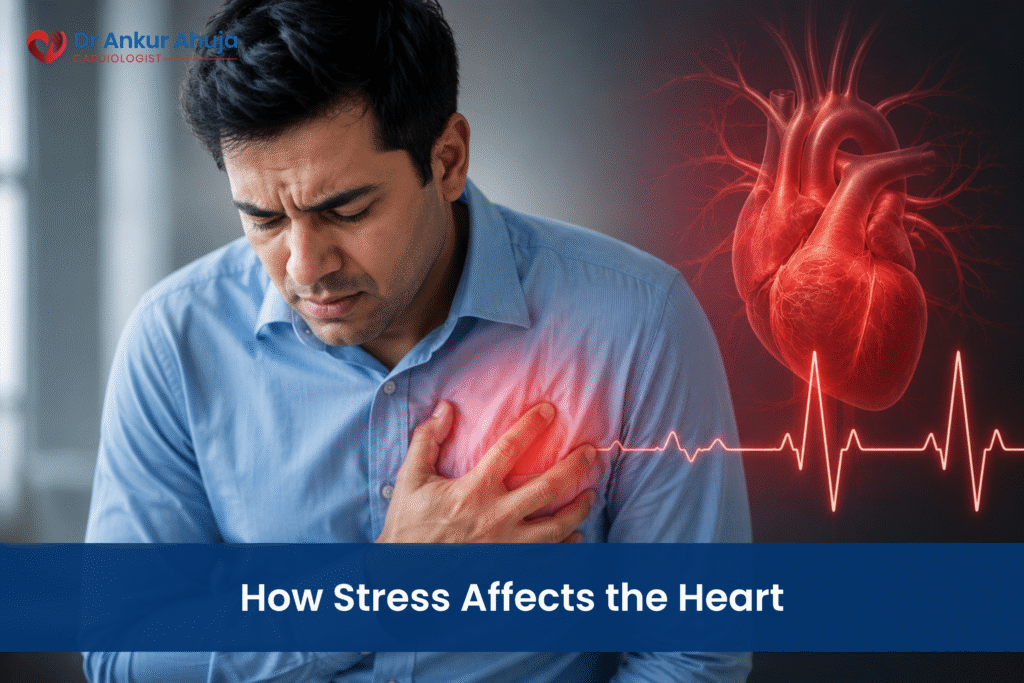
How Stress Affects the Heart
Short-Term Effects
Understanding how stress affects the heart begins with recognizing its immediate impact.
During stressful situations, the heart works harder to meet the body’s increased demands. Temporary increases in heart rate and blood pressure are normal, but repeated episodes can place additional strain on the cardiovascular system.
Some individuals may experience:
- Palpitations
- Chest tightness
- Shortness of breath
- Temporary increases in blood pressure
These symptoms should always be evaluated if they are severe, persistent or occur with exercise.
Long-Term Effects on Cardiovascular Health
Long-term stress has been associated with:
- High blood pressure
- Weight gain
- Metabolic changes
- Poor cholesterol control
- Increased inflammation
- Reduced motivation for healthy habits
Over many years, these factors can contribute to cardiovascular disease and reduce overall heart health.
Managing stress is therefore considered an important part of preventive cardiology.
Understanding Heart Attack Risk Factors
Common Medical and Lifestyle Risks
Although stress is important, it is only one of many heart attack risk factors.
Other major risk factors include:
- High blood pressure
- High cholesterol
- Diabetes
- Smoking
- Obesity
- Family history of heart disease
- Physical inactivity
- Increasing age
People with multiple risk factors benefit from regular medical check-ups and lifestyle modifications.
Why Prevention Matters
Heart disease usually develops slowly over many years before symptoms appear.
Screening, a healthy diet, physical activity, stress management, and avoiding tobacco greatly reduce cardiovascular risk.
The principles of preventive cardiology suggest that it is far more effective to address several risk factors together than to focus on just one.
Chronic Stress and Heart Disease
How Long-Term Stress Impacts Cardiovascular Health
Occasional stress is a normal part of life, but prolonged exposure to stress can have lasting effects on the cardiovascular system. Numerous studies suggest that chronic stress and heart disease are closely connected because persistent stress can influence blood pressure, inflammation, metabolism, and lifestyle choices.
When the body remains in a constant state of stress, stress hormones such as cortisol stay elevated for longer periods. Over time, this may contribute to damage within blood vessels, making it easier for plaque to develop inside the arteries.
People experiencing chronic stress may also find it more difficult to maintain healthy habits, increasing their overall cardiovascular risk.
Lifestyle Habits Influenced by Chronic Stress
Long-term stress often changes everyday behaviors that are essential for heart health.
Common stress-related lifestyle changes include:
- Skipping exercise
- Poor dietary choices
- Smoking or increased alcohol consumption
- Sleep deprivation
- Weight gain
- Poor medication adherence
Addressing these habits is an important part of reducing future cardiovascular complications.
Can Emotional Stress Cause a Heart Attack?
Understanding Emotional Triggers
Many patients ask, can emotional stress cause a heart attack after experiencing major life events such as grief, divorce, financial crises or traumatic experiences.
Severe emotional stress may temporarily increase the workload on the heart by raising blood pressure and heart rate. In people with existing coronary artery disease, this sudden increase in demand may contribute to a cardiac event.
In rare cases, intense emotional stress can lead to a temporary condition known as stress cardiomyopathy (also called Takotsubo syndrome or “broken heart syndrome”), which mimics the symptoms of a heart attack and requires immediate medical evaluation.
Emotional Health Matters
Mental health is a critical part of cardiovascular health.
Counselling, mindfulness practices or stress management programs may help improve emotional resilience while supporting overall heart health.
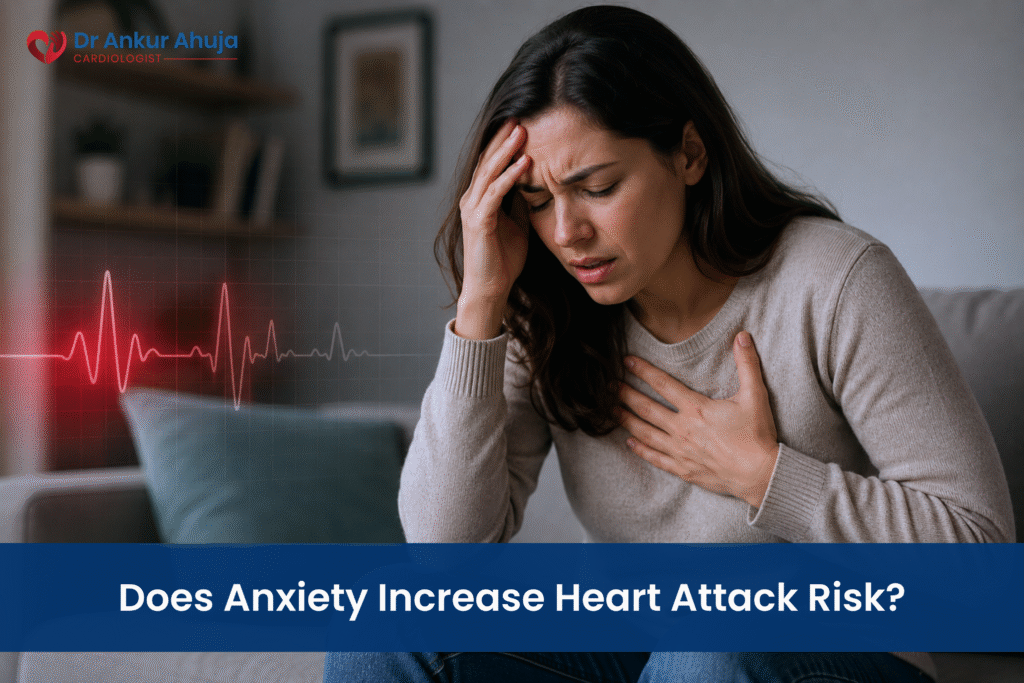
Does Anxiety Increase Heart Attack Risk?
Anxiety and the Cardiovascular System
People frequently wonder, does anxiety increase heart attack risk?
Anxiety itself does not directly cause heart attacks in most individuals. However, persistent anxiety can contribute to elevated blood pressure, increased heart rate, disturbed sleep and unhealthy coping behaviors that may indirectly increase cardiovascular risk over time.
Anxiety attacks can also produce symptoms similar to heart disease, including:
- Chest discomfort
- Rapid heartbeat
- Sweating
- Dizziness
- Shortness of breath
Because these symptoms can resemble those of a heart attack, they should always be evaluated by a healthcare professional, especially if they are new, severe or occur during physical activity.
Managing Anxiety Effectively
Evidence-based approaches for managing anxiety include:
- Cognitive behavioral therapy (CBT)
- Relaxation techniques
- Physical activity
- Adequate sleep
- Professional mental health support
- Medication when prescribed
Effective anxiety management benefits both mental and cardiovascular health.
Stress-Induced Heart Attack Symptoms
Symptoms That Require Immediate Medical Attention
Although stress itself may not always cause a heart attack, stress-induced heart attack symptoms can resemble those of other cardiac emergencies and should never be ignored.
Seek emergency medical care immediately if you experience:
- Chest pain or pressure lasting several minutes
- Pain spreading to the arm, jaw, neck or back
- Shortness of breath
- Cold sweats
- Nausea or vomiting
- Sudden dizziness or fainting
- Unexplained fatigue
Prompt medical treatment significantly improves outcomes during a heart attack.
Don’t Ignore Persistent Symptoms
Many people mistakenly assume chest discomfort is “just stress.”
However, distinguishing between stress-related symptoms and serious heart conditions without medical evaluation is impossible.
Whenever symptoms are severe, persistent or unusual, seek immediate medical care rather than attempting self-diagnosis.
How Chronic Stress Affects Heart Health
Biological Changes Over Time
Understanding how chronic stress affects heart health involves looking beyond temporary increases in heart rate.
Persistent stress may contribute to:
- Elevated blood pressure
- Increased inflammation
- Blood vessel dysfunction
- Hormonal imbalance
- Poor metabolic health
These changes may gradually increase cardiovascular risk, particularly when combined with other medical conditions.
Building Long-Term Resilience
Reducing long-term stress involves developing healthy coping strategies.
Helpful approaches include:
- Regular physical activity
- Healthy nutrition
- Stress management techniques
- Strong social support
- Adequate sleep
- Routine health check-ups
Small, consistent lifestyle improvements often provide lasting cardiovascular benefits.
Stress-Related Heart Problems
Conditions Associated with Stress
Several stress-related heart problems have been identified through clinical research.
These include:
- Elevated blood pressure
- Cardiac arrhythmias in some individuals
- Worsening angina
- Stress cardiomyopathy
- Reduced recovery after cardiovascular events
While stress is rarely the sole cause of these conditions, it can contribute to their development or aggravation.
Comprehensive Prevention Is Essential
Cardiologists recommend addressing multiple aspects of health rather than focusing only on stress.
An effective prevention strategy includes:
- Blood pressure management
- Cholesterol control
- Diabetes management
- Smoking cessation
- Physical activity
- Healthy diet
- Stress reduction
At Dr. Ankur Ahuja’s practice, preventive cardiology focuses on identifying individual risk factors and creating personalized plans to support long-term cardiovascular health.
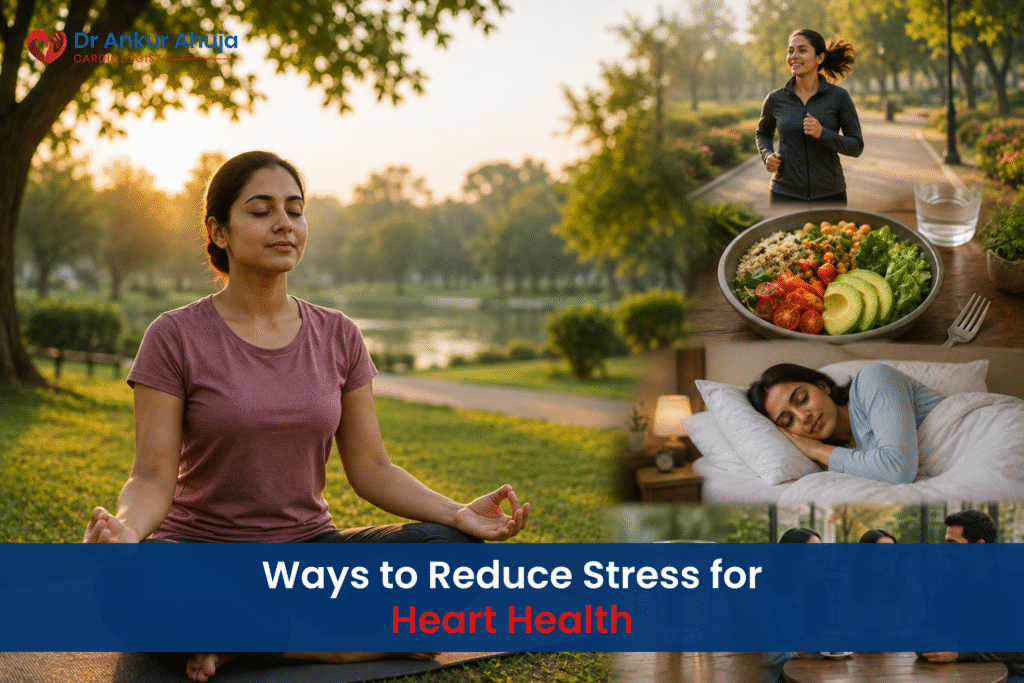
Ways to Reduce Stress for Heart Health
Build Healthy Daily Habits
Managing stress is not about eliminating every challenge from life—it is about developing healthy coping strategies that protect both your mental and physical well-being. Among the most effective ways to reduce stress for heart health are simple lifestyle habits that can be practiced consistently.
Consider incorporating the following into your daily routine:
- Engage in at least 30 minutes of moderate physical activity most days of the week.
- Practice deep breathing or mindfulness meditation.
- Maintain a regular sleep schedule with 7–9 hours of quality sleep.
- Eat a heart-healthy diet rich in fruits, vegetables, whole grains and lean proteins.
- Stay hydrated and limit excessive caffeine or alcohol.
- Spend time with supportive family and friends.
Even small improvements can reduce stress levels and contribute to better cardiovascular health over time.
Know When to Seek Professional Help
If you are experiencing stress, anxiety or emotional difficulties that interfere with work, relationships or daily life, these should not be ignored. You can talk to a mental health professional who may be able to help you cope better and improve your quality of life.
Likewise, if you have pre-existing heart disease or multiple cardiovascular risk factors, talk to your healthcare provider about stress management. “Personalized approaches are often the best way to protect long-term heart health.
How to Protect Your Heart from Stress
Focus on Prevention
Learning how to protect your heart from stress involves managing both emotional health and traditional cardiovascular risk factors.
Practical preventive measures include:
- Monitor blood pressure regularly.
- Maintain a healthy body weight.
- Avoid smoking and tobacco products.
- Stay physically active.
- Follow prescribed medications as directed.
- Schedule regular health check-ups.
- Learn healthy ways to respond to stressful situations.
These habits support both heart health and overall well-being.
Partner with a Heart Specialist
Preventive cardiology is most effective when guided by an experienced healthcare professional.
At Dr. Ankur Ahuja‘s clinic, patients receive comprehensive cardiovascular evaluations, risk assessments, lifestyle guidance and evidence-based treatment plans designed to promote long-term heart health.
Regular consultations are especially valuable for individuals with high blood pressure, diabetes, elevated cholesterol or a family history of heart disease.
Frequently Asked Questions (FAQs)
1. Can stress alone cause a heart attack?
Stress alone is rarely the direct cause of a heart attack. However, severe or long-term stress can contribute to conditions and behaviors that increase cardiovascular risk, particularly in people with existing heart disease.
2. What are the warning signs of a heart attack?
Common symptoms include chest pain or pressure, pain spreading to the arm, jaw, neck or back, shortness of breath, nausea, cold sweats, dizziness, and unexplained fatigue. Seek emergency medical care immediately if these symptoms occur.
3. Is anxiety the same as a heart attack?
No. Anxiety and panic attacks can produce symptoms similar to a heart attack, but only a medical evaluation can determine the actual cause. Never assume chest pain is caused solely by anxiety.
4. Can managing stress improve heart health?
Yes. Stress management, combined with regular exercise, healthy eating, quality sleep and control of medical conditions, can contribute to better cardiovascular health.
5. Who is at higher risk of stress-related heart problems?
Individuals with high blood pressure, diabetes, high cholesterol, obesity, smoking history, existing heart disease or a strong family history of cardiovascular disease may be more vulnerable.
6. When should I consult a cardiologist?
You should seek medical advice if you experience persistent chest discomfort, unexplained shortness of breath, frequent palpitations, or have multiple cardiovascular risk factors. Regular preventive check-ups are also recommended for adults at increased risk.
Conclusion
So can stress cause a heart attack? The science suggests that although stress is rarely the sole factor, it can play a significant role in cardiovascular health through its effect on blood pressure, inflammation, lifestyle choices and the body’s overall response to physical and emotional stressors. Untreated stress can cause serious heart problems, especially if you have heart disease or multiple risk factors.
The encouraging news is that many of these risks are manageable. Healthy lifestyle choices, stress reduction techniques, routine medical care and early identification of cardiovascular risk factors can all play an important role in protecting your heart.
At Dr. Ankur Ahuja‘s practice, the focus is on preventive cardiology, early diagnosis, and patient education. By combining evidence-based medical care with personalized lifestyle guidance, patients can take meaningful steps toward reducing their cardiovascular risk and improving long-term heart health.
If you experience persistent chest pain, sudden shortness of breath or other symptoms suggestive of a heart attack, seek emergency medical attention immediately. Early treatment saves lives.