If your cardiologist has recommended a coronary angiography, it is natural to have questions. You might want to know what the test is, why it is needed, whether it is painful, what the risks are and when you can return to your normal activities.
So What Is Coronary Angiography?
Coronary angiography is an imaging procedure used by doctors to examine the coronary arteries—the blood vessels that supply oxygen-rich blood to the heart muscle. It can help doctors identify narrowing or blockages and understand the condition of the coronary arteries when symptoms, test results or other clinical findings suggest that further evaluation is needed.
The procedure is often done through a thin tube called a catheter. A catheter is threaded up a blood vessel, typically from the wrist or groin, toward the heart. A contrast material is then injected so that x-ray images of the coronary arteries can be obtained.
For patients, understanding the process beforehand can make the experience less stressful.
This guide explains why coronary angiography may be recommended, what happens before and during the procedure, potential risks, recovery and common questions patients ask.
Dr Ankur Ahuja can help patients understand that cardiac investigations should always be interpreted in the context of their symptoms, medical history, examination and other test results. A test result by itself does not tell the entire clinical story.
What Is Coronary Angiography and Why Is It Performed?
Understanding the Purpose of the Test
Coronary angiography is performed to visualize the coronary arteries and assess blood flow through them.
Doctors may recommend it when they need more detailed information about the heart’s blood vessels than non-invasive tests can provide.
Possible reasons include:
- Symptoms suggesting reduced blood flow to the heart
- Abnormal findings on other cardiac tests
- Suspected coronary artery disease
- Evaluation of known heart disease
- Assessment before certain cardiac procedures
- Evaluation during an acute cardiac event
The decision is individualized.
Not every person with chest discomfort automatically needs an invasive angiographic procedure. A cardiologist considers the overall clinical picture before recommending it.
How the Information Can Help Your Cardiologist
The images obtained during angiography can help the medical team understand:
- Whether a coronary artery is narrowed
- Where a narrowing is located
- How severe it appears
- Whether multiple vessels are involved
- What treatment options may be appropriate
Depending on the findings, the cardiologist may recommend medication, further evaluation, angioplasty, stenting, bypass surgery or continued monitoring.
The appropriate treatment depends on the patient’s individual condition.
When Might a Doctor Recommend Coronary Angiography?
Symptoms That May Lead to Further Investigation
Certain symptoms can prompt a doctor to investigate the coronary arteries.
These may include:
- Chest pressure or discomfort
- Shortness of breath
- Unexplained fatigue
- Symptoms occurring during physical activity
- Discomfort spreading to the arm, shoulder, back, neck or jaw
- Symptoms associated with an abnormal cardiac test
These symptoms can be caused by many things and do not necessarily indicate that you have blocked arteries.
Your doctor may order additional tests to determine if you are a candidate for angiography.
When Other Tests Provide Important Clues
A cardiologist may consider information from tests such as:
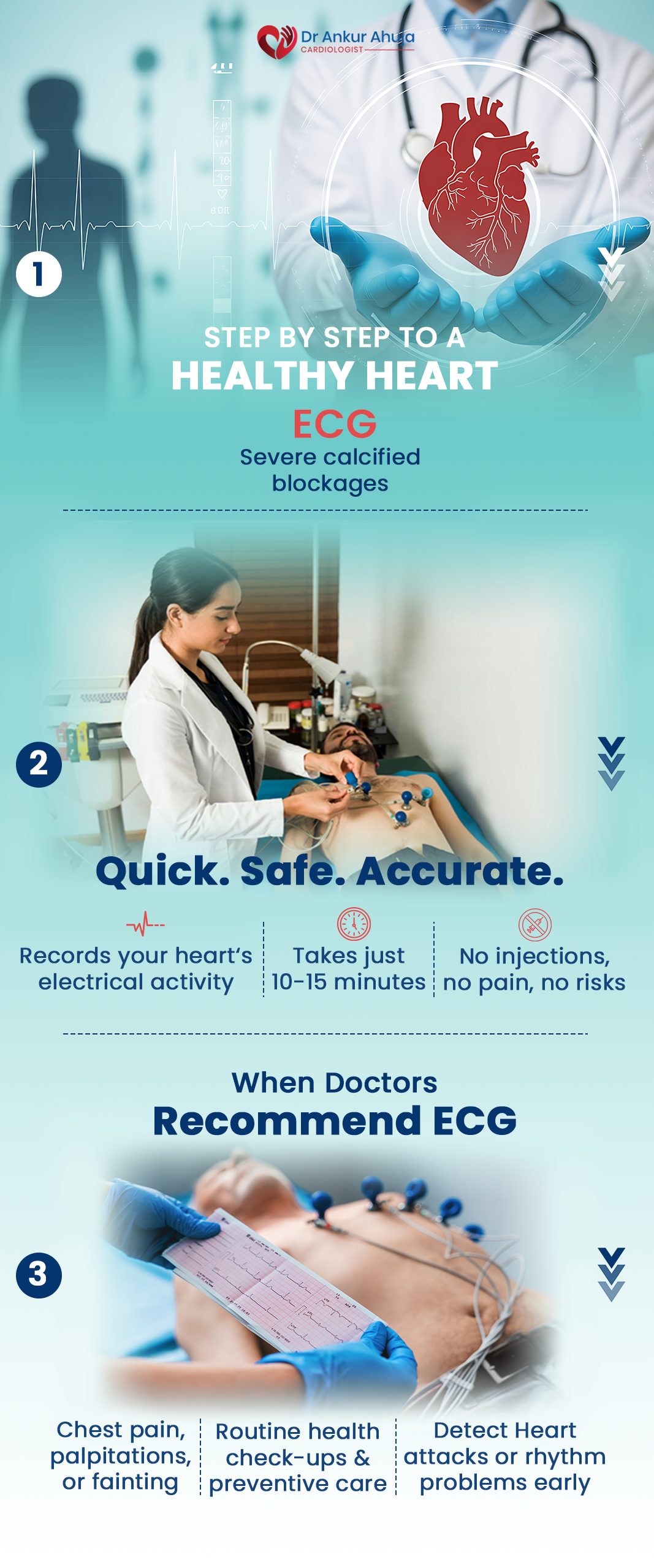
- Electrocardiogram
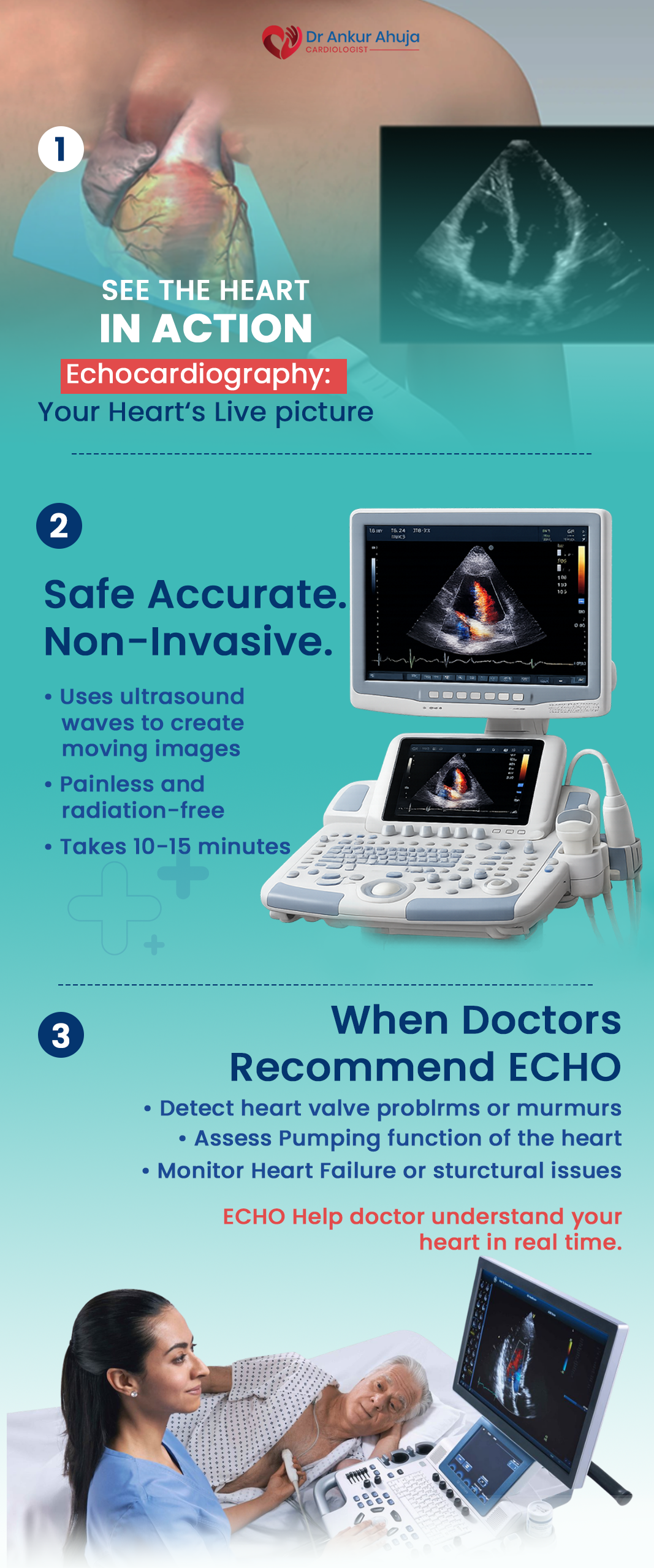
- Echocardiogram
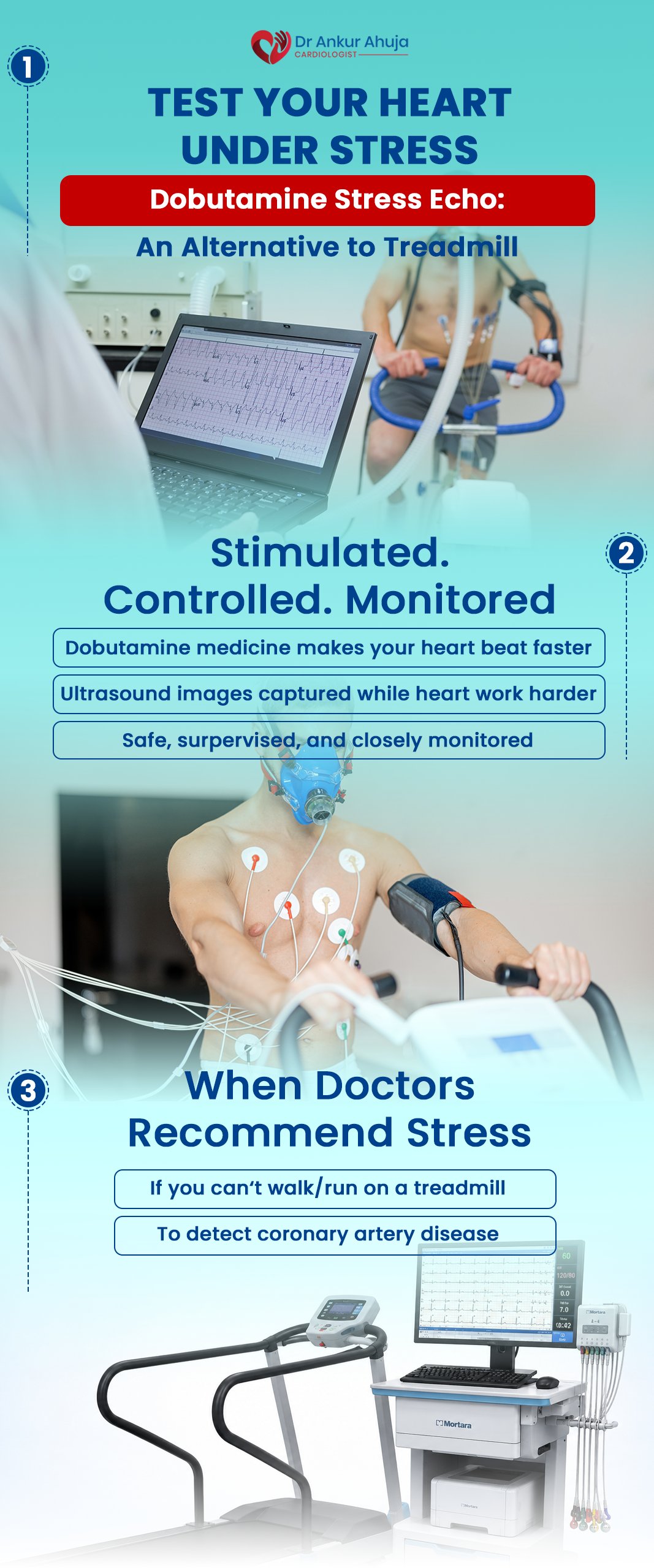
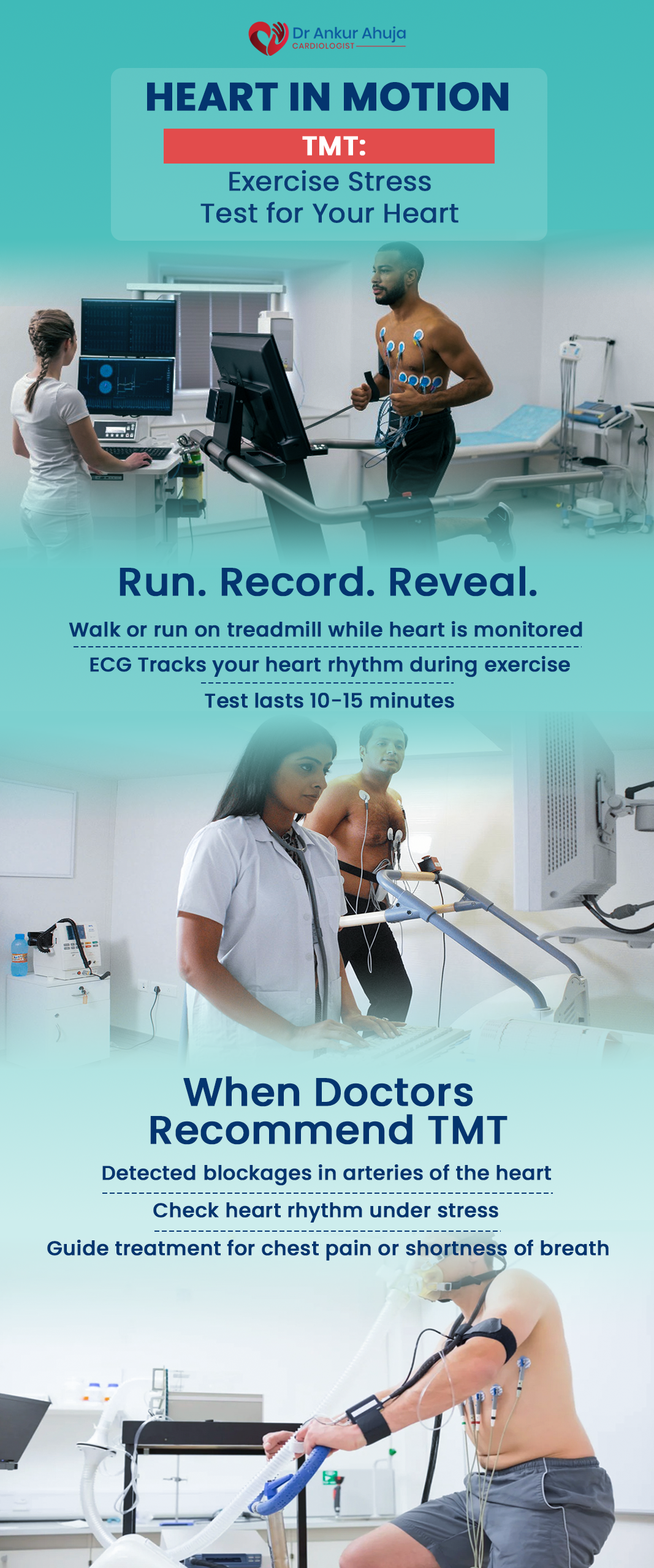
- Stress testing
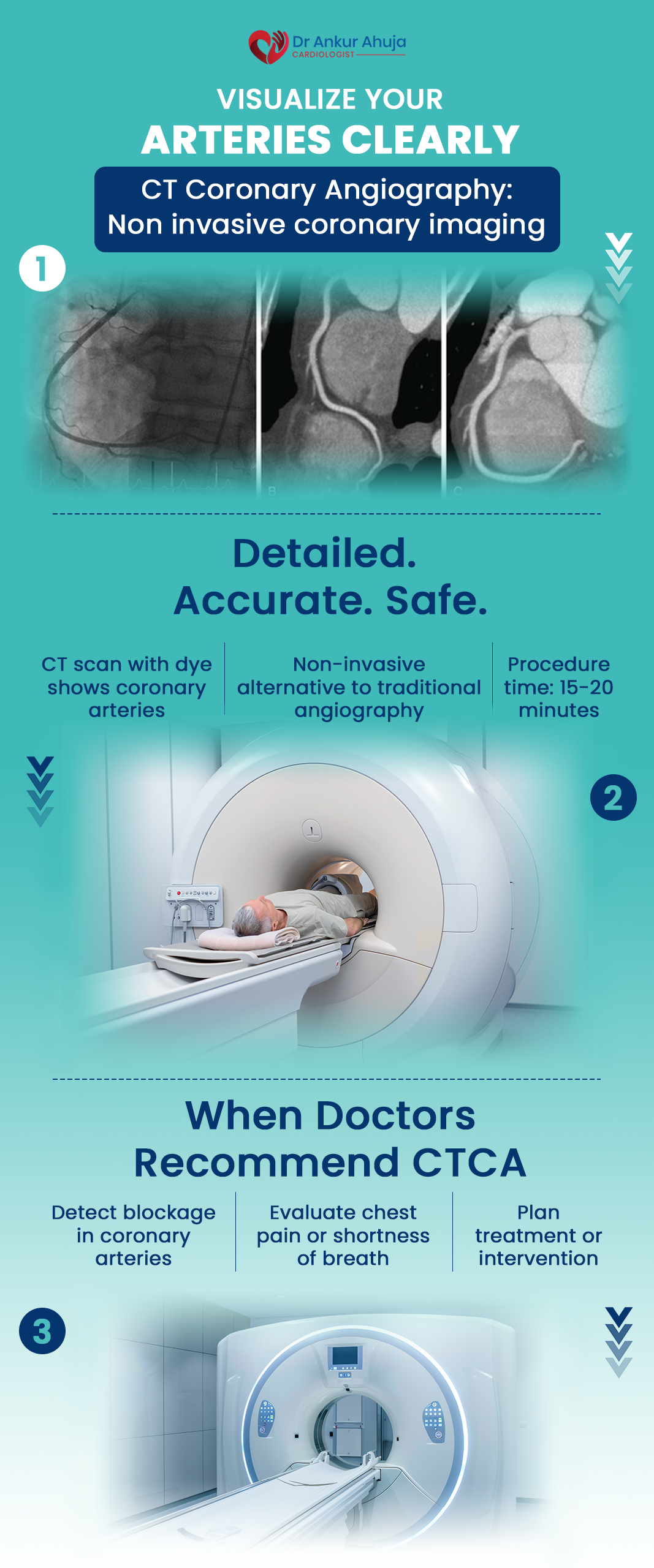
- CT coronary imaging
- Blood tests
- Other cardiac investigations
The choice depends on the person’s symptoms, risk factors, medical history and clinical situation.
How Does a Coronary Angiography Procedure Work?
Preparing for the Procedure
Before the procedure, the healthcare team reviews your medical history.
Tell your doctor about:
- Prescription medicines
- Over-the-counter medicines
- Allergies
- Previous reactions to contrast material
- Kidney problems
- Diabetes
- Bleeding disorders
- Previous heart procedures
- Other significant medical conditions
You may receive specific instructions about eating, drinking and medications.
Follow the instructions provided by your healthcare team rather than relying on general online advice.
The Catheter and Access Site
The procedure usually involves placing a catheter into an artery, most often in the wrist or groin.
The site is cleaned and a local anesthetic is used for anesthesia.
Then under image guidance the catheter is carefully guided to the heart.
Patients are generally awake during the procedure, but they may be given drugs to help them relax.
What Happens During Coronary Angiography?
During the Imaging Process
Once the catheter is positioned appropriately, contrast material is injected into the coronary arteries.
X-ray imaging allows the cardiologist to see the vessels.
You may notice a brief warm sensation when the contrast is injected. Tell the medical team if you experience anything unusual or concerning.
The medical team continuously monitors you during the procedure.
How Long Does the Procedure Take?
The procedure usually involves placing a catheter into an artery, most often in the wrist or groin.
The site is cleaned and a local anesthetic is used for anesthesia.
Then under image guidance the catheter is carefully guided to the heart.
Patients are generally awake during the procedure, but they may be given drugs to help them relax.
Is Coronary Angiography Painful?
What Patients Commonly Feel
Because local anesthetic is used at the access site, patients generally shouldn’t feel sharp pain from catheter insertion.
You may feel:
- A brief sting from the anesthetic
- Pressure around the access site
- Movement or pressure as the catheter is positioned
- A temporary warm sensation when contrast is injected
Individual experiences vary.
If you feel significant pain or become uncomfortable, tell the medical team immediately.
Why Communication During the Procedure Matters
Patients sometimes worry that they should remain silent during a medical procedure.
That’s not necessary.
Tell the healthcare team if you experience:
- Chest discomfort
- Breathing difficulty
- Dizziness
- Severe discomfort
- Nausea
- Any unusual sensation
The team is there to monitor you and respond appropriately.
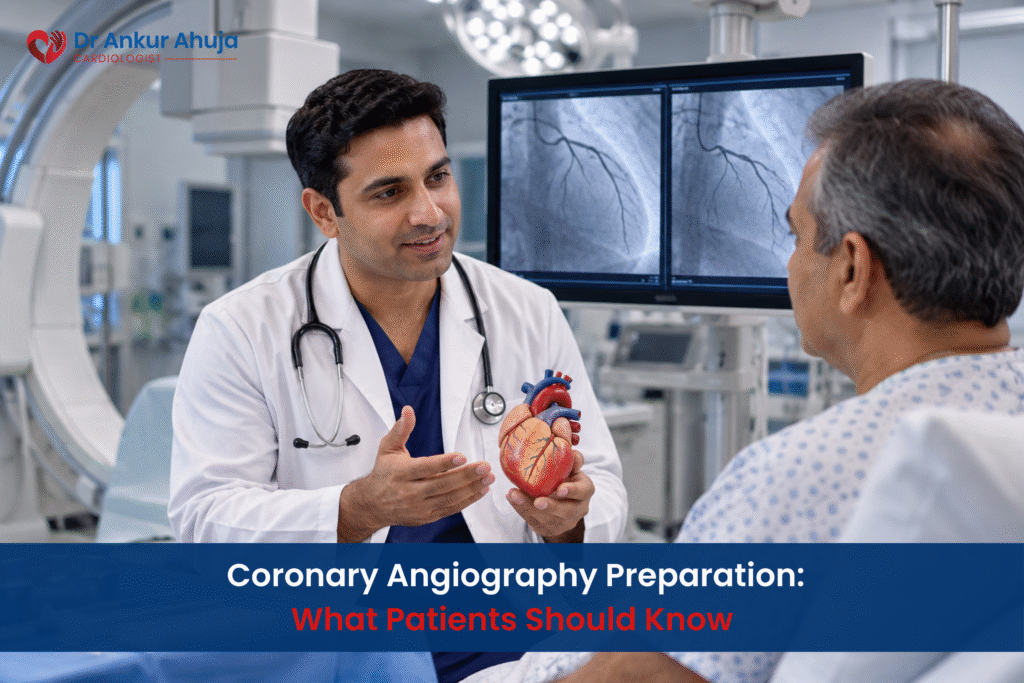
Coronary Angiography Preparation: What Patients Should Know
Discuss Your Medicines
Medication instructions can differ significantly between patients.
Some medicines may need special consideration before a procedure, particularly medications affecting bleeding or blood sugar.
Never stop a prescribed medicine on your own simply because you’re scheduled for angiography.
Ask your cardiologist or hospital team for specific instructions.
Tell Your Doctor About Allergies and Kidney Problems
Contrast material is used to make the coronary arteries visible on imaging.
Your doctor should know if you’ve previously experienced a reaction to contrast material.
Kidney function can also be relevant when contrast is being considered.
Your medical team can assess your individual risk and take appropriate precautions.
Understanding Coronary Angiography Risks
Common and Usually Minor Effects
Like any invasive medical procedure, angiography has potential risks.
A patient may experience issues such as:
- Bruising
- Mild soreness
- Minor bleeding at the access site
- Temporary discomfort
The medical team provides instructions for monitoring the access area after the procedure.
Less Common but More Serious Complications
Serious complications are uncommon, but they can occur.
Potential complications may include:
- Significant bleeding
- Infection
- Blood vessel injury
- Allergic reaction to contrast material
- Kidney problems
- Abnormal heart rhythm
- Heart attack
- Stroke
The overall risk depends on factors such as age, health conditions, the reason for the procedure and whether additional treatment is performed.
Your cardiologist can explain the risks relevant to you.
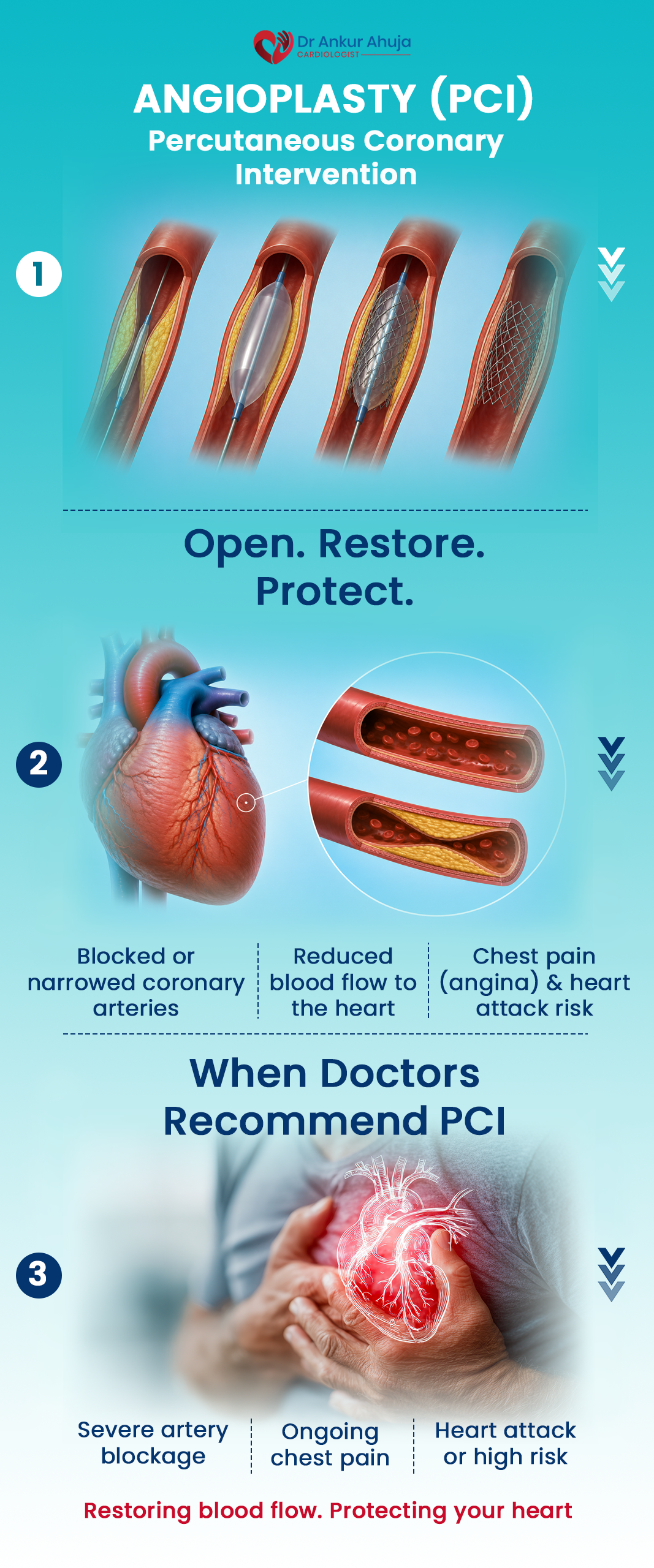
What Happens If a Blockage Is Found?
Angiography Can Help Guide Treatment Decisions
Finding a narrowing doesn’t automatically mean that a stent must be placed.
The cardiologist considers factors such as:
- Location of the narrowing
- Severity
- Number of affected arteries
- Symptoms
- Heart function
- Other health conditions
- Overall cardiovascular risk
Treatment may involve medication, lifestyle changes, further assessment, angioplasty with or without stenting or bypass surgery.
Coronary Angiography Before Angioplasty
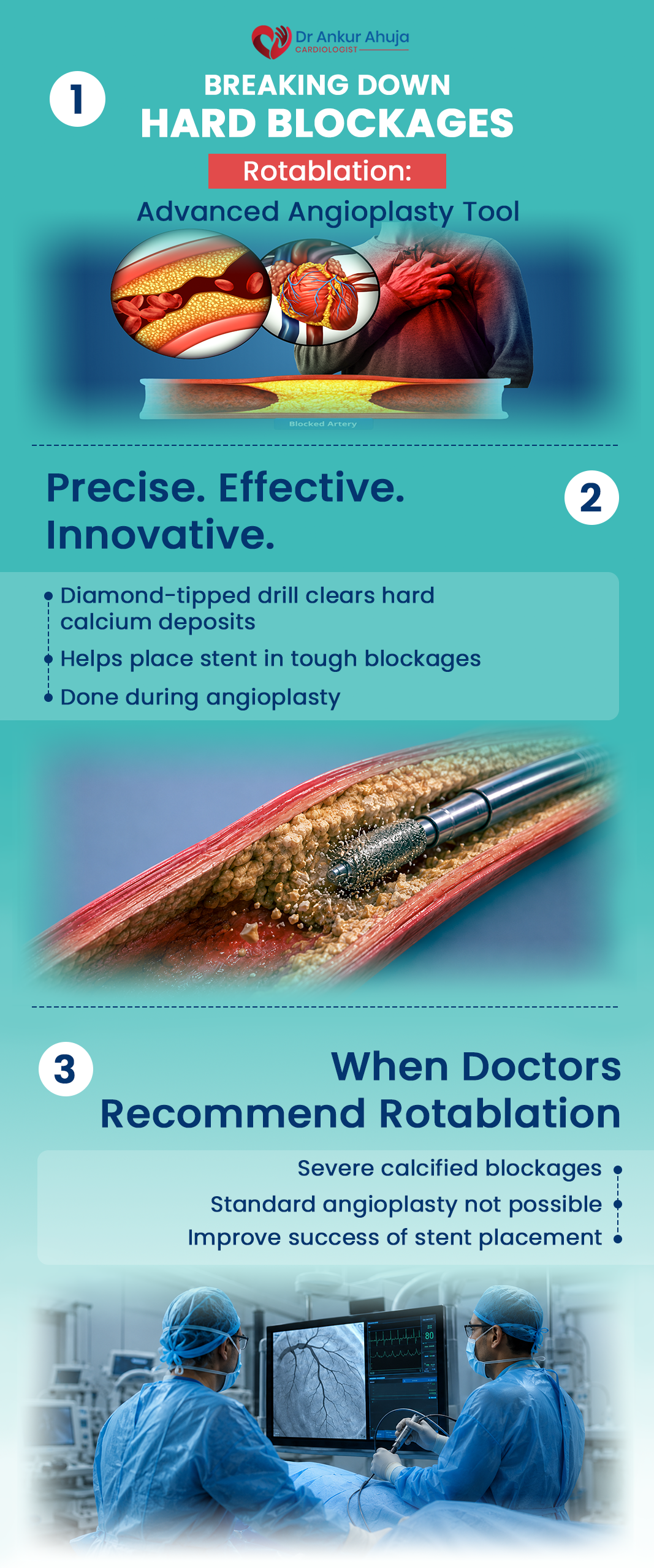
Occasionally, angiography is performed as part of a treatment procedure.
In selected circumstances, if an important narrowing is identified and angioplasty is considered suitable, the cardiology team may treat it in the same session.
Patients should be aware of this possibility ahead of time so that they are aware of what could happen if a significant blockage is found.
What Happens After the Procedure?
Immediate Monitoring
After angiography, you may spend some time in a recovery or observation area.
The team may monitor:
- Blood pressure
- Heart rate
- Access site
- General symptoms
- Bleeding
The length of observation depends on the procedure and your overall condition.
Caring for the Access Site
Follow the discharge instructions provided by your hospital.
You may be advised to:
- Keep the area clean
- Monitor for bleeding
- Watch for increasing swelling
- Avoid certain strenuous activities temporarily
- Drink fluids if advised
- Take medicines according to instructions
Don’t hesitate to contact your healthcare provider if something doesn’t seem right.
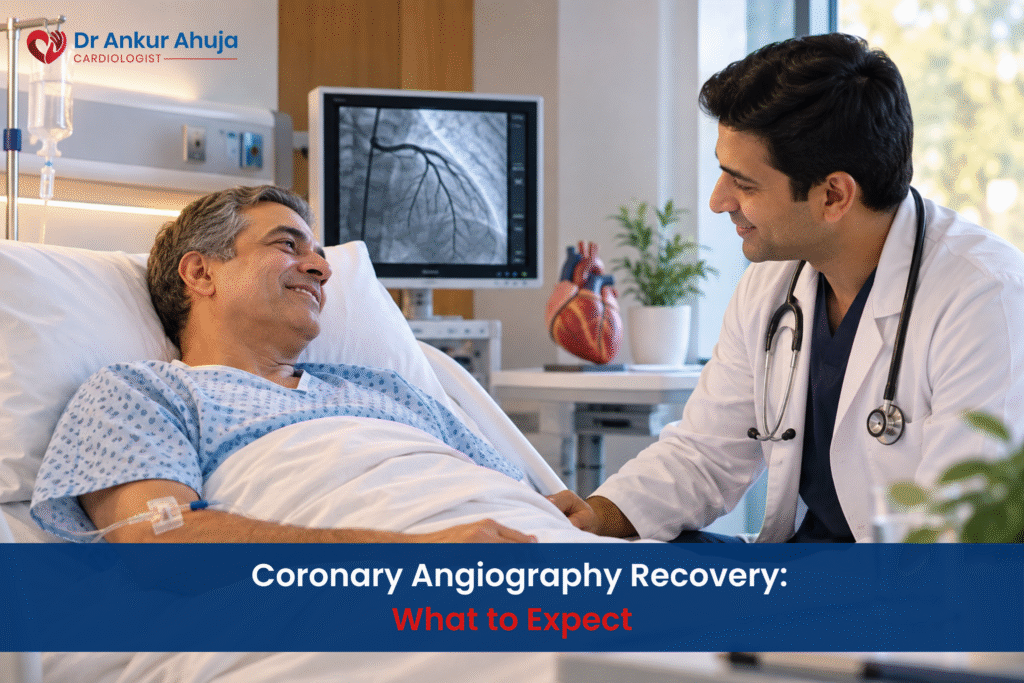
Coronary Angiography Recovery: What to Expect
Returning to Normal Activities
Recovery varies depending on the access site, overall health and whether any additional procedure was performed.
Some patients can return to routine activities relatively quickly, while others need more time.
Your medical team should provide individualized guidance about:
- Driving
- Exercise
- Lifting
- Work
- Bathing
- Medication
- Follow-up appointments
Follow those instructions even if you feel well.
When to Seek Medical Attention
After discharge, contact your healthcare provider urgently if you develop concerning symptoms such as:
- Significant or persistent bleeding
- Increasing swelling at the access site
- Severe pain
- Fever
- Weakness or numbness
- New or worsening chest pain
- Significant breathing difficulty
If symptoms suggest a medical emergency, seek emergency medical care immediately.
Coronary Angiography for Heart Blockage: What Does It Show?
Understanding Artery Narrowing
This can narrow the coronary arteries when plaque builds up inside the vessel walls.
This can cut off blood flow to the heart muscle.
The angiography can demonstrate where the inner channel of the artery appears narrowed.
However, the significance of a narrowing needs clinical judgment to be interpreted.
A Narrowing Is Not the Entire Diagnosis
Two patients can have similar-looking findings but require different management.
Doctors consider:
- Symptoms
- Test results
- Location of disease
- Extent of disease
- Heart function
- Other health conditions
- Overall cardiovascular risk
That’s why angiography should be interpreted by a qualified cardiology team.
Coronary Angiography in Chandigarh and Mohali
Choosing Appropriate Cardiac Care
Patients searching for coronary angiography in Chandigarh or nearby Mohali should focus on the quality of clinical evaluation rather than simply comparing procedure prices.
Important considerations include:
- Qualified cardiology specialists
- Appropriate diagnostic facilities
- Emergency support when necessary
- Experienced clinical staff
- Clear pre-procedure instructions
- Proper post-procedure monitoring
- Follow-up care
The right setting depends on your medical needs and the recommendation of your treating cardiologist.
Discuss the Procedure With Your Cardiologist
If you’re considering coronary angiography in Mohali, ask your doctor:
- Why is the procedure being recommended?
- What are the alternatives?
- What should I do with my regular medicines?
- What risks apply to me?
- Will additional treatment potentially be performed?
- How long will recovery take?
- When should I return for follow-up?
Getting answers before the procedure can make you feel more prepared.
How Patients Can Prepare Emotionally
It’s Normal to Feel Nervous
Even when a procedure is routine for medical professionals, it can feel unfamiliar to a patient.
You may worry about:
- Pain
- Results
- Complications
- Recovery
- Possible treatment afterward
These concerns are understandable.
Ask questions instead of relying on frightening stories from social media or unverified websites.
Bring a Trusted Person When Appropriate
Depending on hospital policy and your circumstances, having a family member or trusted person involved can be helpful.
They can assist with:
- Remembering instructions
- Transportation
- Medication information
- Follow-up planning
If sedation is used, your healthcare team may specifically advise you not to drive afterward.
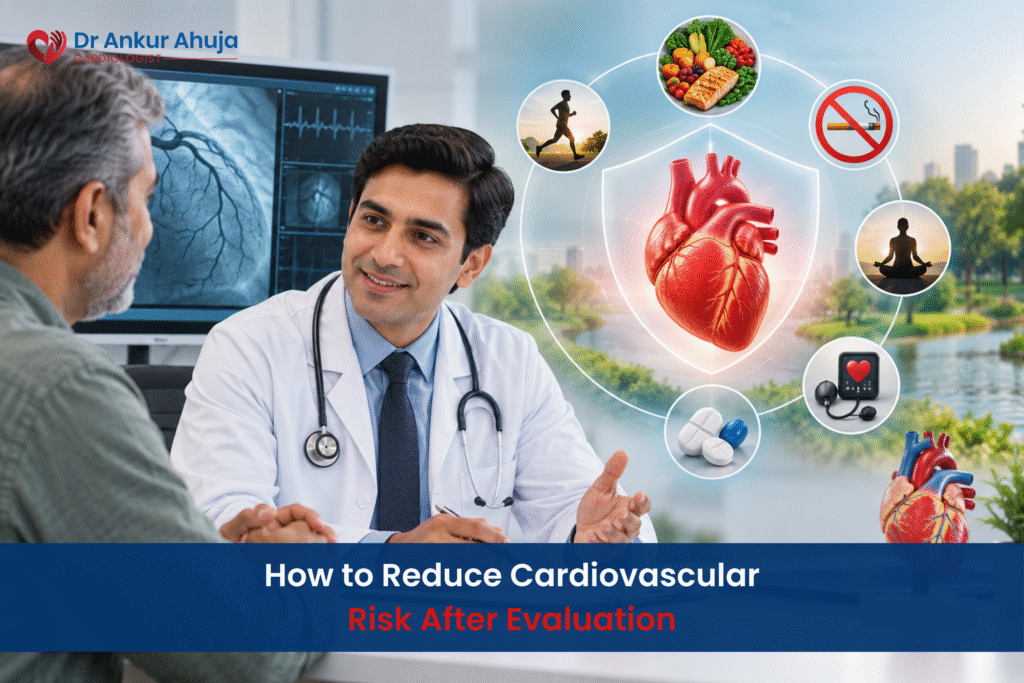
How to Reduce Cardiovascular Risk After Evaluation
Follow Your Cardiologist’s Treatment Plan
Angiography is an important diagnostic tool, but long-term cardiovascular health also depends on managing risk factors.
Depending on your condition, your doctor may discuss:
- Blood pressure control
- Cholesterol management
- Diabetes management
- Smoking cessation
- Physical activity
- Healthy eating
- Weight management
- Prescribed medication
Don’t change medication without professional guidance.
Lifestyle Changes Work Alongside Medical Care
Heart health is influenced by many daily habits.
A heart-friendly lifestyle may include:
- Regular physical activity appropriate for your health
- A balanced diet
- Avoiding tobacco
- Limiting alcohol where appropriate
- Managing stress
- Getting adequate sleep
- Attending medical follow-ups
Your doctor can help create realistic goals based on your individual health.
Frequently Asked Questions About Coronary Angiography
Q1: Is coronary angiography a surgery?
It is an invasive diagnostic procedure, but it is not the same as open-heart surgery. A catheter is generally inserted through a blood vessel and guided toward the heart. The exact approach depends on the patient’s situation.
Q2: How long does coronary angiography take?
The duration varies depending on the purpose and complexity of the procedure. A straightforward diagnostic examination may be relatively short, while additional treatment can make the procedure longer.
Q3: Can I eat before coronary angiography?
Your hospital will provide specific instructions about eating and drinking. These instructions can vary according to your procedure, medications, and health conditions, so follow the guidance given by your medical team.
Q4: Is contrast dye used during the test?
Yes. A contrast material is generally introduced into the coronary arteries so they can be visualized using X-ray imaging. Tell your doctor about previous contrast reactions or kidney problems.
Q5: Does angiography always lead to a stent?
No. Finding a narrowing doesn’t automatically mean a stent is required. Treatment depends on the severity and location of disease, symptoms, other test results and your overall clinical condition.
Q6: Can I go home on the same day?
Some patients may be discharged the same day after appropriate observation, while others may need longer monitoring. The decision depends on the procedure, findings, access site, health status, and hospital protocol.
Q7: Is coronary angiography safe?
It is generally considered an established cardiac procedure, but like any invasive test, it has potential risks. Your individual risk depends on your health and the circumstances in which the procedure is performed.
Q8: What should I tell my cardiologist before angiography?
Tell your doctor about all medicines, allergies, previous contrast reactions, kidney disease, diabetes, bleeding problems, previous procedures and other significant medical conditions. This information helps the team plan appropriately.
Conclusion
Knowing What Is Coronary Angiography can make an unknown cardiac procedure a lot less scary.
The procedure lets cardiologists view the coronary arteries using catheter-based imaging and contrast material. It may be recommended when symptoms, test results or clinical findings indicate detailed assessment of the blood vessels of the heart.
The key is getting ready. Patients should provide complete medical history, discuss medicines and allergies, follow instructions regarding food and fluid and inquire about what to expect during and after the procedure.
Although coronary angiography is widely used, it isn’t completely risk-free. Possible complications range from bruising or bleeding at the access site to less common but serious complications. Your cardiologist can explain the risks that apply specifically to you.
If a narrowing is discovered, angiography can help the medical team determine what treatment may be appropriate. That doesn’t necessarily mean a stent or surgery will be required.
If you are a patient considering cardiac assessment with Dr Ankur Ahuja, an open discussion regarding symptoms, test results, medical history, risks of the procedure and options for treatment is an integral part of informed care.
If you’ve been told you need angiography, don’t hesitate to ask questions. Learning why the test is advised and what the outcomes could suggest may make you feel more confident about participating in your treatment decisions. If you have severe or sudden chest pain, a lot of trouble breathing, fainting or other symptoms that may be a sign of a heart emergency, don’t wait for a routine appointment. Get emergency medical care right away.
Medical note:
This article is for general education and should not replace advice from a qualified cardiologist. The need for angiography, preparation, medications and follow-up should always be decided by the treating medical team.