Diabetes does a lot more than raise blood sugar. High glucose levels left untreated can slowly damage the blood vessels, nerves, blood pressure, cholesterol levels and other systems that keep your heart healthy. That’s why understanding how diabetes affects the heart is an important part of taking care of your overall health.
People with diabetes have a higher risk of developing cardiovascular conditions than people without diabetes. However, having diabetes doesn’t mean that heart problems are unavoidable. With good blood sugar management, regular medical check-ups, a heart-healthy lifestyle and timely treatment of other risk factors, many complications can be reduced.
Dr. Ankur Ahuja, a cardiologist, works to empower patients to understand their heart health and make informed decisions about prevention, diagnosis and treatment.
In plain English, this guide explains the connection between diabetes and heart health, including warning signs, risk factors, ways to prevent heart disease and when you should see a heart specialist.
Why Diabetes Can Affect Your Heart
Diabetes develops when the body cannot properly regulate blood glucose. Over time, consistently elevated blood sugar can affect the lining of blood vessels and contribute to changes that make cardiovascular disease more likely.
The relationship is not only about glucose. People with diabetes can also develop high blood pressure, unhealthy cholesterol levels, extra weight, inflammation and other metabolic changes. Together, these factors can place additional stress on the cardiovascular system.
The Link Between Blood Sugar and Heart Health
Your heart depends on a healthy network of blood vessels to receive oxygen and nutrients. These vessels need to remain flexible and open so that blood can circulate properly.
Persistently high glucose can contribute to blood vessel injury. It may also promote inflammation and changes in cholesterol handling. Over many years, these changes can contribute to the buildup of fatty deposits inside arteries.
This process is one reason diabetes and heart disease are closely connected.
The important point is that heart risk doesn’t suddenly appear after a single episode of high blood sugar. It generally develops through the combined effect of diabetes, other health conditions, lifestyle factors, genetics, age and the length of time a person has had diabetes.
What Happens to Blood Vessels Over Time
Healthy arteries are smooth and flexible. When the artery wall is repeatedly exposed to damaging factors such as high glucose, high blood pressure, smoking or abnormal cholesterol, its normal function can be affected.
Plaque may gradually build up inside an artery. If this becomes significant, blood flow can be reduced. A blood clot forming on a disrupted plaque can sometimes cause a sudden blockage.
This is why managing diabetes should be viewed as part of cardiovascular prevention—not simply as a way to control a number on a blood glucose report.
How Diabetes Affects the Heart
So, precisely how diabetes affects the heart depends on several interacting factors. High blood sugar can damage blood vessels and conditions associated with it, such as high blood pressure and abnormal cholesterol, can put extra stress on them. Smoking, physical inactivity, obesity, kidney disease and a family history of cardiovascular disease can also increase the risk.
High Blood Sugar Can Damage Arteries
Long-term exposure to elevated glucose can contribute to changes in the blood vessel walls. These changes may make arteries more vulnerable to plaque formation and reduced elasticity.
The result can be an increased risk of conditions involving the coronary arteries, which supply blood to the heart muscle.
Importantly, controlling blood glucose is only one part of protecting the heart. A person may have reasonable glucose control but still have significant cardiovascular risk if blood pressure, cholesterol, smoking, weight or other factors aren’t addressed.
Diabetes Can Increase Blood Pressure and Cholesterol
Diabetes is often associated with other cardiovascular risk factors.
High blood pressure adds pressure to the walls of the arteries and makes the heart work harder. High cholesterol can cause plaque to build up in the arteries .
The presence of several of these factors in a combination may raise the overall cardiovascular risk.
That’s why diabetes care needs to be more than just blood sugar testing. Depending on your individual health profile, your doctor may monitor:
- Blood pressure
- Cholesterol
- Kidney function
- Blood glucose and HbA1c
- Body weight
- Smoking status
- Physical activity
- Family history
- Other cardiovascular risk factors
Diabetes Heart Problems You Should Know About
The cardiovascular effects of diabetes can take several forms. Not every person with diabetes develops the same complication and individual risk varies.
Some of the major conditions associated with diabetes include coronary artery disease, heart failure, and certain problems affecting the heart muscle or rhythm.
Coronary Artery Disease
Coronary arteries supply oxygen-rich blood to the heart muscle. When plaque builds up inside these arteries, they can become narrowed.
This condition is commonly known as coronary artery disease.
Diabetes and coronary artery disease often occur together because long-term metabolic and vascular changes can increase the likelihood of atherosclerosis.
A narrowed artery may cause symptoms such as chest pressure or discomfort, particularly during physical activity. However, some people with diabetes may experience less typical symptoms or no obvious warning signs.
Heart Failure and Cardiomyopathy
Diabetes can also be associated with changes in the heart muscle. High blood pressure, coronary artery disease, kidney problems and other metabolic factors can all contribute to strain on the heart.
Heart failure doesn’t mean the heart has stopped working. It means the heart isn’t pumping blood as effectively as the body needs.
Possible symptoms include:
- Breathlessness
- Swelling of the legs or ankles
- Unusual tiredness
- Reduced exercise tolerance
- Rapid weight gain from fluid retention
If these symptoms develop or worsen, medical assessment is important.
Abnormal Heart Rhythm
Diabetes can also be associated with changes affecting the nerves and cardiovascular system. In some people, this may contribute to abnormal heart rhythms or changes in how the heart responds to activity.
A racing, pounding, irregular or unusually slow heartbeat should be discussed with a doctor, especially when accompanied by dizziness, fainting, chest discomfort or breathlessness.
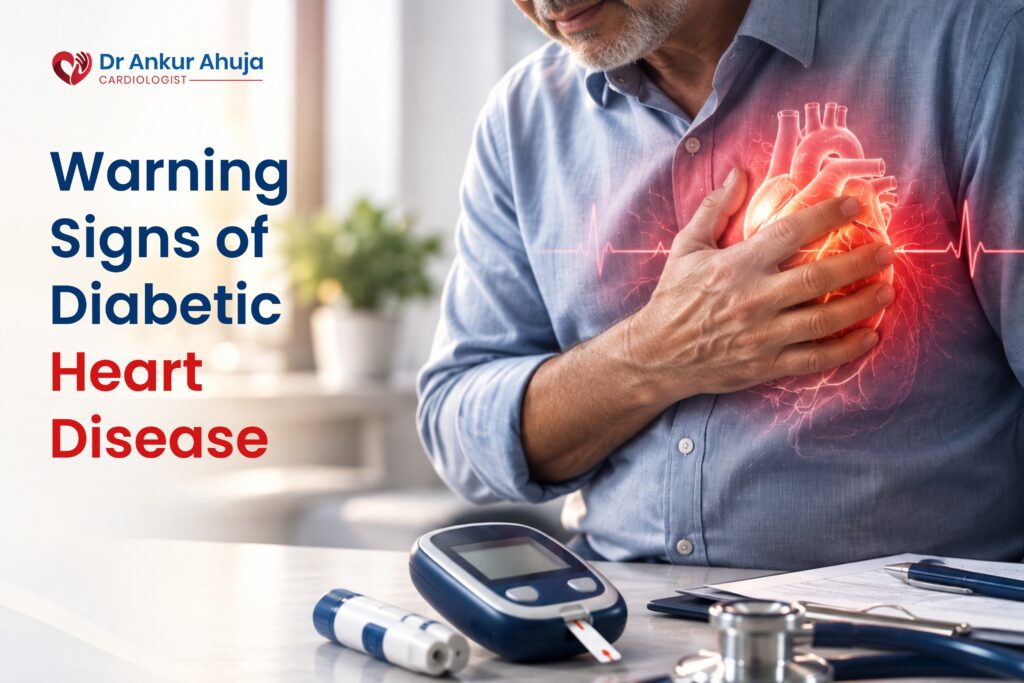
Warning Signs of Diabetic Heart Disease
Recognizing potential warning signs can help patients seek care earlier. However, symptoms can vary considerably from person to person.
Symptoms That Should Not Be Ignored
Possible diabetic heart disease symptoms may include:
- Chest pressure, tightness or discomfort
- Shortness of breath
- Unusual tiredness
- Dizziness or light-headedness
- Sweating without an obvious reason
- Nausea
- Pain or discomfort in the arm, shoulder, back, neck or jaw
- Reduced ability to perform normal physical activities
- Swelling in the feet or ankles
These symptoms don’t always mean that a person has heart disease. They can have many causes. But new, severe or unexplained symptoms should never be ignored.
Why Some People Have Few or No Symptoms
One important concern is that some people with diabetes may not experience classic chest pain even when they have cardiovascular disease.
Changes in nerve function can affect how pain is perceived. Other people may mistake breathlessness, fatigue or reduced stamina for normal aging or tiredness.
That’s why prevention and routine medical assessment matter even when you feel well.
Being symptom-free doesn’t always mean being risk-free.
Diabetes and Heart Attack: Understanding the Risk
A heart attack occurs when blood flow to part of the heart muscle becomes severely reduced or blocked.
Diabetes is an important risk factor for cardiovascular disease and people with diabetes may have a higher risk of heart attack.
Why Heart Attack Risk Can Be Higher
There are several mechanisms that can explain the increased risk of diabetes and heart attacks.
Over time, high blood sugar can damage blood vessels. Diabetes may also occur with high blood pressure, abnormal cholesterol, obesity and kidney disease. These factors may act together to increase the risk for cardiovascular disease.
The good news is that many cardiovascular risk factors can be controlled.
Your healthcare team can help you come up with a plan tailored to your age, type of diabetes, medical history, medications, blood pressure, cholesterol, kidney health and overall cardiovascular risk.
When to Seek Emergency Medical Care
Never wait for symptoms to become unbearable before seeking emergency help.
Seek urgent medical attention if you experience symptoms such as:
- Persistent or severe chest pressure
- Difficulty breathing
- Fainting or severe weakness
- Sudden sweating with chest discomfort
- Pain spreading to the arm, back, neck or jaw
- Sudden symptoms that feel unusual or concerning
If you think you may be having a heart attack, contact your local emergency medical service immediately.
Other Risk Factors That Make Heart Damage More Likely
Diabetes is only one piece of the cardiovascular risk puzzle. Your overall risk depends on multiple factors.
Smoking, Obesity, and Physical Inactivity
Smoking damages blood vessels and significantly increases cardiovascular risk. When combined with diabetes, the overall concern becomes even greater.
Being physically inactive can also contribute to weight gain, insulin resistance, blood pressure problems and unfavorable cholesterol levels.
Regular physical activity, when medically appropriate, can support blood sugar management and cardiovascular health.
Kidney Disease and Sleep Problems
Diabetes can affect kidney health and kidney disease is itself associated with increased cardiovascular risk.
Sleep disorders, particularly sleep apnea, may also be relevant in people with obesity, high blood pressure or metabolic disease.
This shows why comprehensive diabetes care is so important. Looking at one number or one symptom isn’t enough to understand the whole picture.

How Diabetes Heart Damage Can Be Prevented
Prevention starts with understanding your personal risk and taking action early.
Keep Blood Sugar Within Your Recommended Range
Good glucose management can help reduce the risk of long-term diabetes complications.
Your target isn’t necessarily the same as someone else’s. Your doctor may consider your age, diabetes duration, medications, other medical conditions and risk of low blood sugar when setting goals.
Don’t change medication doses on your own. If your readings are consistently above or below your recommended range, speak with your healthcare professional.
Manage Blood Pressure and Cholesterol
Managing blood pressure and cholesterol is another important part of diabetes heart disease prevention.
Depending on your risk profile, your doctor may recommend lifestyle changes and/or medications.
Regular testing makes it easier to identify changes before they become major problems.
A simple prevention checklist includes:
- Monitor glucose as advised.
- Check blood pressure regularly.
- Have cholesterol assessed when recommended.
- Take prescribed medicines consistently.
- Avoid smoking.
- Stay physically active.
- Maintain a healthy weight where appropriate.
- Attend regular medical appointments.
Heart-Healthy Lifestyle Changes for People With Diabetes
Lifestyle changes don’t have to mean completely changing your life overnight. Small, sustainable habits can make a real difference.
Choose a Balanced Diet
A heart-healthy eating pattern typically focuses on vegetables, fruits, whole grains, legumes, nuts, and other nutrient-dense foods while limiting excessive added sugars, highly processed foods, and unhealthy fats.
Portion size is important too, especially for controlling blood glucose.
Instead of just dieting without professional help, see if you can work with your health care team to come up with a plan that fits your health and cultural needs.
Stay Physically Active
Physical activity can help improve insulin sensitivity, cardiovascular fitness, weight management and overall well-being.
For many adults, a combination of regular aerobic activity and muscle-strengthening exercise is beneficial. However, exercise plans should be individualized if you have heart disease, complications of diabetes, or other medical concerns.
If you’ve been inactive for a long time, start gradually and ask your doctor what level of activity is appropriate.
Sleep Well and Manage Stress
Poor sleep and ongoing stress can make healthy routines harder to maintain and may affect blood pressure, eating habits and glucose management.
Aim for a consistent sleep schedule and find practical ways to manage stress, such as walking, breathing exercises, relaxation activities or spending time with supportive family and friends.
You don’t need a perfect routine. Consistency is what counts.

When Should You See a Cardiologist?
People with diabetes don’t automatically need to see a cardiologist at the same frequency. Your need for specialist care depends on your individual risk and symptoms.
A cardiologist for diabetes and heart disease may become particularly important when you have symptoms, known cardiovascular disease, multiple risk factors, abnormal test results or a complicated medical history.
Tests Your Doctor May Recommend
Depending on your symptoms and risk profile, a cardiologist may consider tests such as:
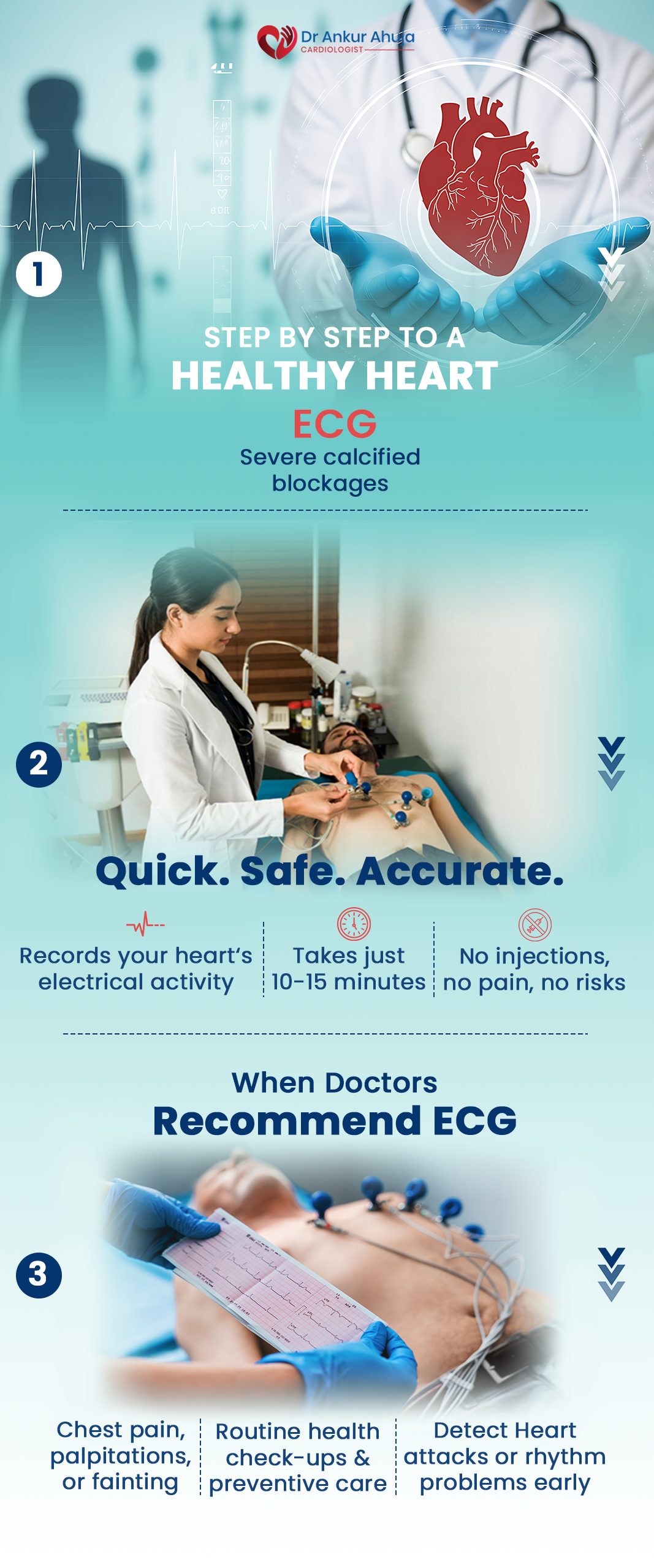
- Electrocardiogram (ECG)
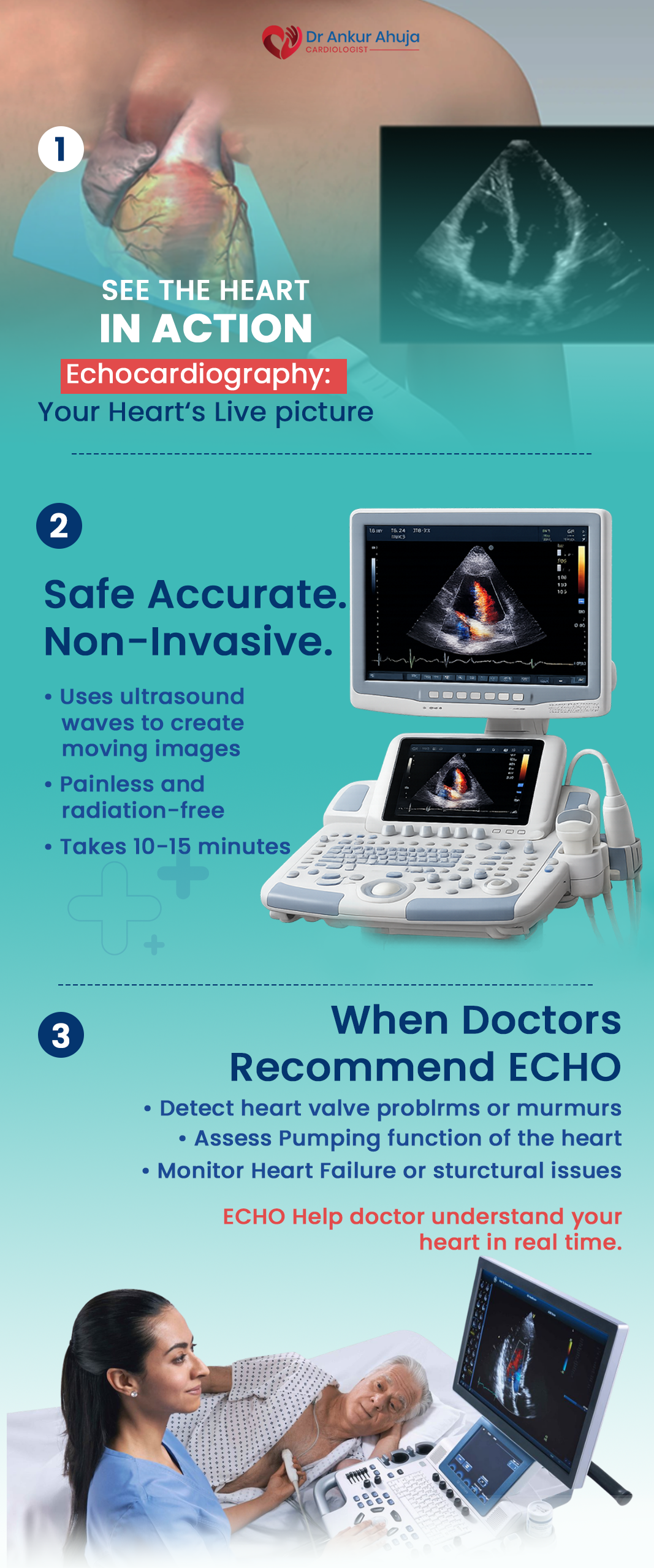
- Echocardiogram
- Blood tests
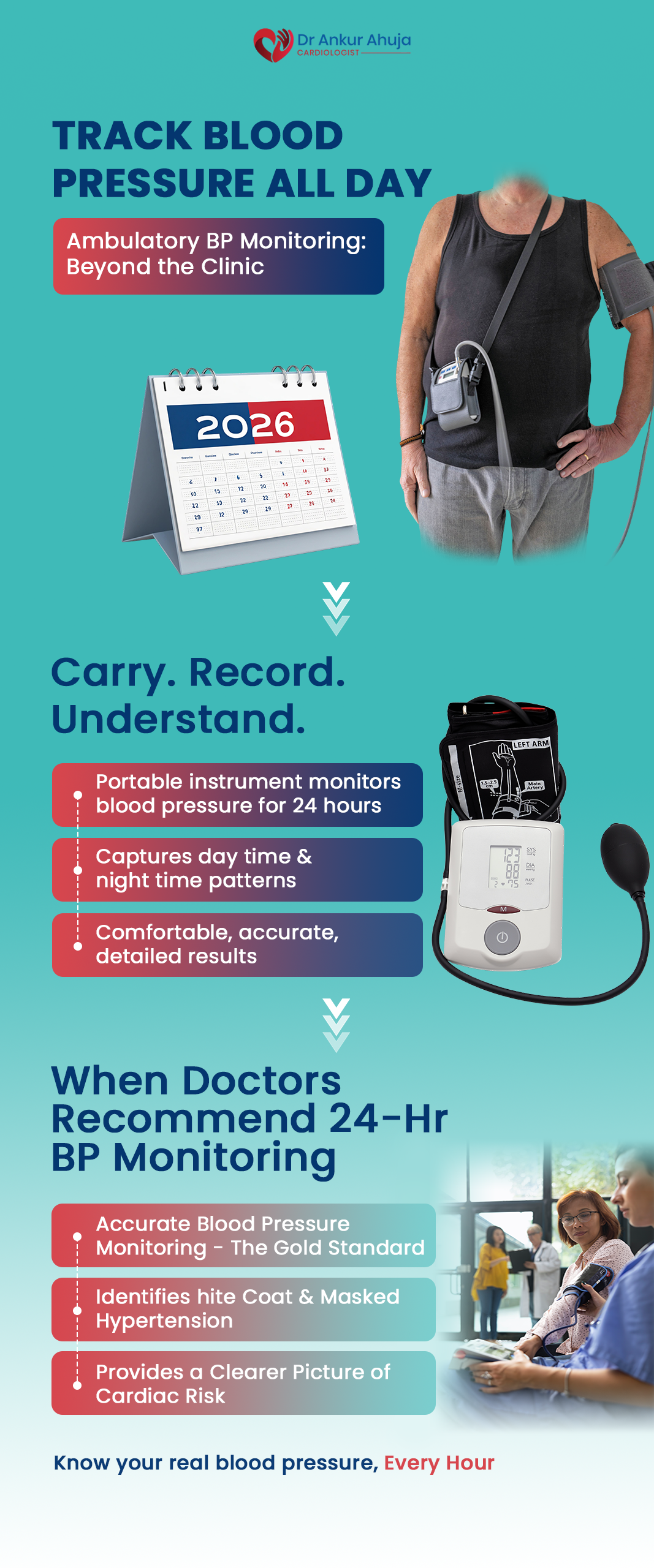
- Blood pressure monitoring
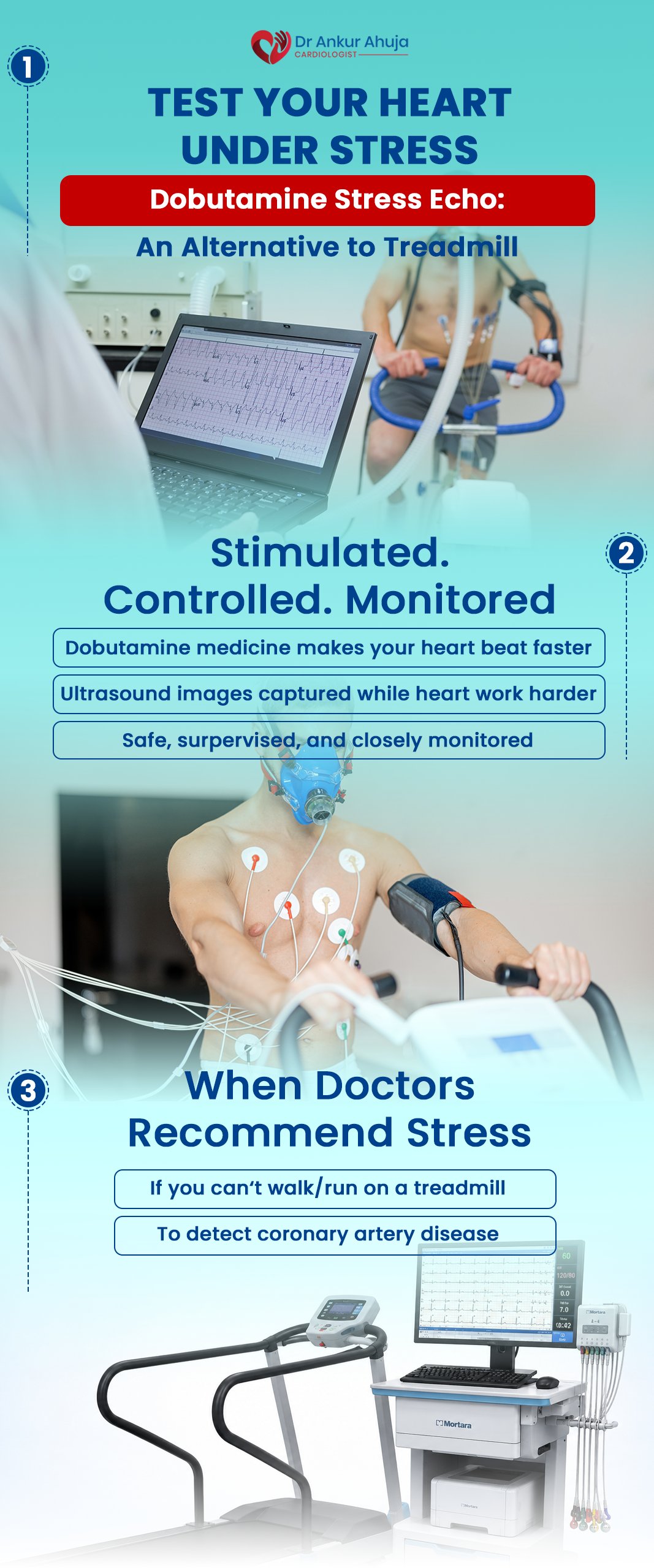
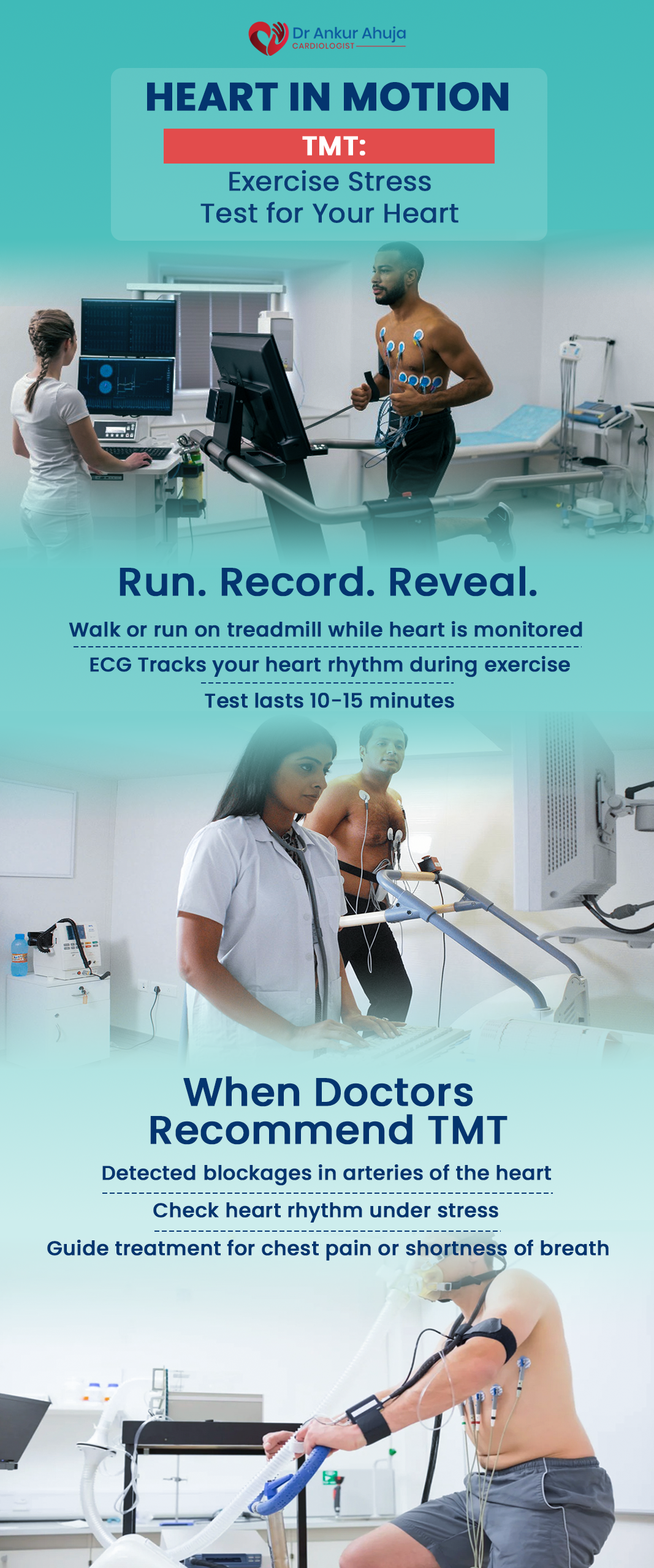
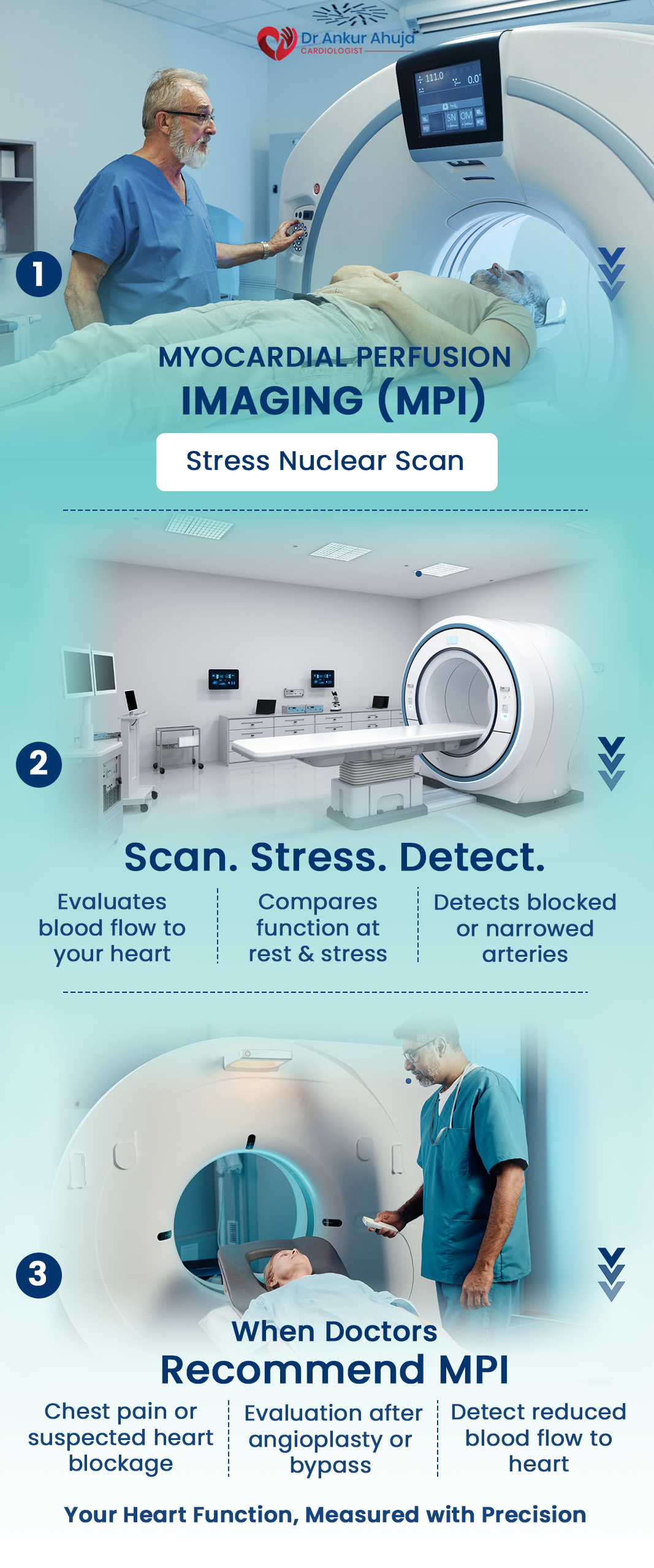
- Stress testing
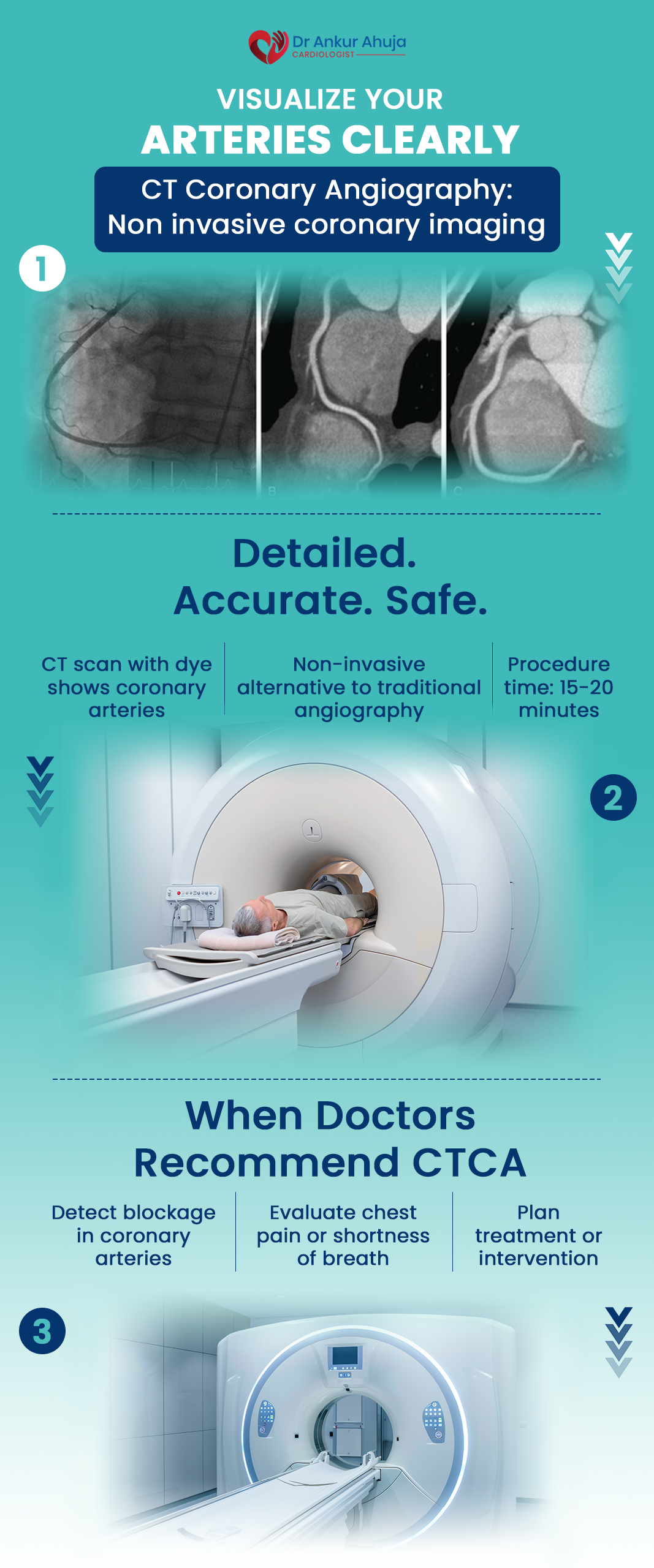
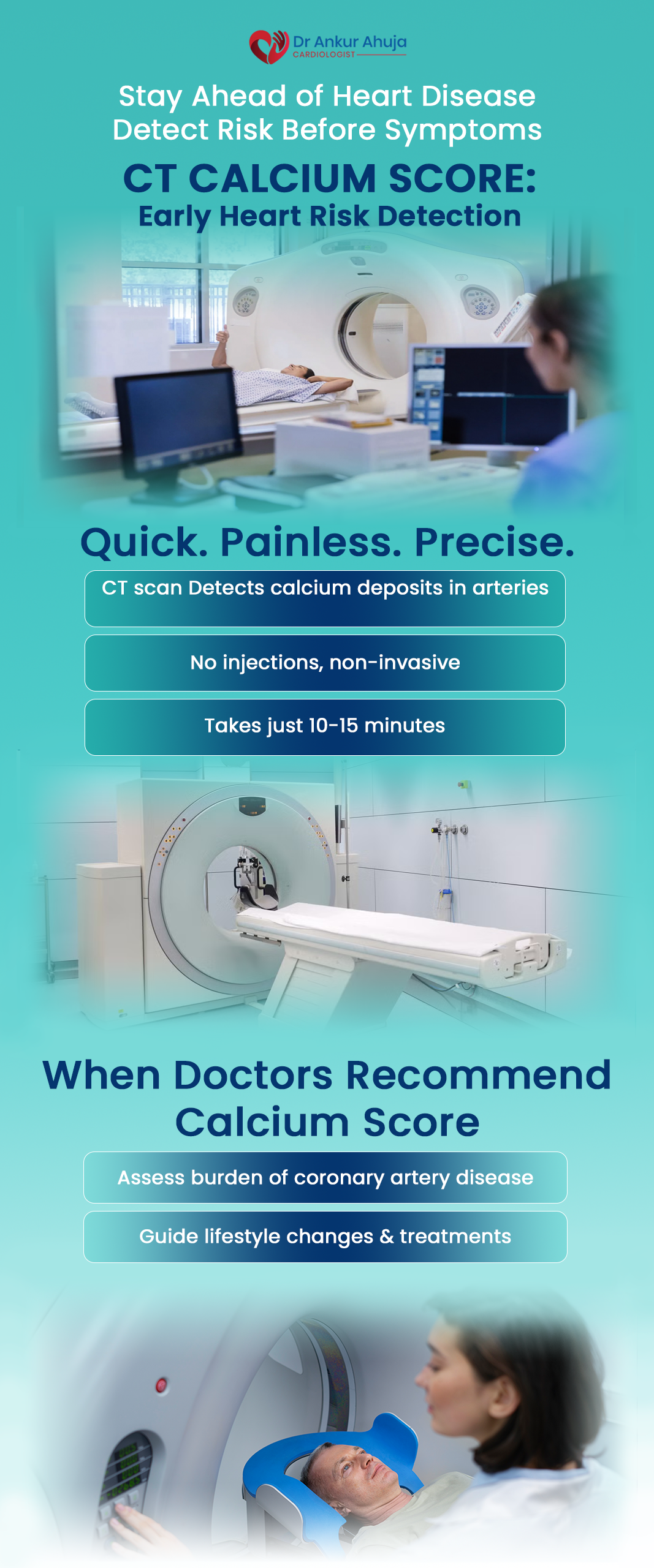
- Other cardiac imaging when appropriate
Not everyone needs every test. A good evaluation begins with your medical history, physical examination, symptoms and risk factors.
The Importance of Individualized Care
There is no single best treatment plan for every person with diabetes.
Dr. Ankur Ahuja can review your entire medical history to evaluate your cardiovascular health and help determine which tests or treatments may be appropriate for you.
The aim is not just to treat heart disease once it occurs. Ideally care should also concentrate on early identification of risks and prevention of complications wherever possible.
Diabetes and Heart Health in Chandigarh and Mohali
For people seeking cardiovascular care locally, understanding where to turn can make medical decisions less stressful.
Patients concerned about diabetes and heart disease in Chandigarh can discuss their symptoms and cardiovascular risk with a qualified heart specialist. Similarly, people looking for care related to diabetes and heart disease in Mohali can seek an assessment based on their individual medical needs.
Dr. Ankur Ahuja provides cardiology care focused on helping patients understand their cardiovascular condition and available treatment options.
When choosing a cardiologist, consider factors such as:
- Relevant qualifications and experience
- The ability to explain medical conditions clearly
- Access to appropriate diagnostic facilities
- A patient-centered approach
- Follow-up and long-term care
Most importantly, don’t wait for a serious symptom before taking your cardiovascular risk seriously.
Frequently Asked Questions
Q1: Can diabetes cause heart disease?
Yes. Diabetes is an important risk factor for cardiovascular disease. Persistently elevated blood glucose can contribute to blood vessel damage and may occur alongside high blood pressure, abnormal cholesterol, obesity and other factors that increase heart risk.
Q2: Can diabetes cause a heart attack?
Diabetes can increase the risk of a heart attack because it is associated with processes that can contribute to coronary artery disease. However, individual risk varies. Managing blood sugar, blood pressure, cholesterol, smoking, weight and other risk factors can help lower overall cardiovascular risk.
Q3: Does controlling diabetes reduce heart risk?
Good diabetes management is an important part of reducing long-term complications. It should be combined with appropriate management of blood pressure, cholesterol, smoking, physical activity, diet and other cardiovascular risk factors.
Q4: Can a person with diabetes have heart disease without symptoms?
Yes. Some people with diabetes may have few or no typical symptoms despite cardiovascular disease. This is one reason regular medical care and cardiovascular risk assessment are important, particularly when several risk factors are present.
Q5: When should someone with diabetes see a cardiologist?
You should discuss your cardiovascular risk with your doctor if you have chest discomfort, breathlessness, unexplained fatigue, palpitations, dizziness, known heart disease or multiple cardiovascular risk factors. Your doctor can determine whether a cardiology evaluation is appropriate.
Q6: What heart tests may be needed for a person with diabetes?
There is no single heart test that every person with diabetes needs. Depending on symptoms and individual risk, a doctor may recommend an ECG, echocardiogram, blood tests, stress testing or other investigations.
Q7: Can lifestyle changes protect the heart if I have diabetes?
Yes. Healthy eating, regular physical activity, avoiding tobacco, maintaining a healthy weight, getting adequate sleep and following your prescribed treatment plan can support cardiovascular health. Your healthcare professional can help you choose realistic goals.
Conclusion
Knowing how diabetes affects your heart can help you take steps to prevent problems from becoming serious. Diabetes can damage blood vessels and increase your risk of coronary artery disease, heart attack, heart failure and other cardiovascular complications. But your risk isn’t set in stone. Managing your blood sugar, blood pressure, cholesterol, weight, activity level, smoking and other health factors can be a big part of keeping your heart healthy.
Pay attention to warning signs, attend regular check-ups and don’t ignore symptoms simply because you have become used to feeling tired or breathless.
If you have diabetes and are concerned about your cardiovascular health, speaking with an experienced cardiologist can help you understand your individual risk and decide whether further evaluation is needed.
Dr. Ankur Ahuja can help patients make sense of their heart health and explore appropriate care based on their symptoms, medical history and risk factors.
Medical note:
This article is intended for general education and does not replace a personal medical evaluation. Diabetes and heart disease can affect people differently. If you have concerning or emergency symptoms, seek immediate medical attention.