We often talk about heart disease as if it is either completely reversible or inevitably progressive. The reality is complicated.
Some forms of cardiovascular damage can be substantially improved by control of risk factors and timely intervention. There are other cases where the pre-existing structural damage or atherosclerotic plaque cannot be simply erased. But with the right treatment you can slow down the progression of the disease, reduce the complications, improve the symptoms and reduce the cardiovascular risk.
So, Can Heart Disease Be Reversed? The answer depends on the type of heart disease, how advanced it is, what caused it and how quickly appropriate treatment is started.
This distinction is significant since misleading claims can cause two opposite problems. Someone might believe that heart disease is hopeless and throw in the towel on lifestyle changes. Someone else might think that diet or supplements alone will open blocked arteries and halt the treatment prescribed.
A medically responsible approach is about what can actually make a difference.
A guide from the perspective of evidence-based cardiovascular care that explains the difference between reversal, treatment, management and prevention and explores what patients can realistically do to protect their heart.
Medical note:
This article is for general education and does not replace an evaluation by a qualified healthcare professional. Anyone with chest pain, breathlessness, fainting or other concerning symptoms should seek appropriate medical attention promptly.
Can Heart Disease Be Reversed? Understanding What the Question Really Means
The word “reversed” can mean different things.
For some people, it means removing plaque from an artery. For others, it means improving heart function, reducing symptoms, stopping disease progression or lowering the chance of a heart attack.
These are not the same outcome.
Reversal Is Different From Management
Some cardiovascular conditions can show meaningful improvement with treatment. For example, certain causes of reduced heart function may respond substantially when the underlying problem is identified and treated.
In atherosclerotic disease, the situation is different. Plaque develops within artery walls over time. Medical treatment and lifestyle changes can stabilize plaque, reduce cardiovascular risk and in some circumstances contribute to modest regression. But this does not mean that established arterial disease can simply be “washed away.”
That is why doctors generally focus on measurable goals such as cholesterol reduction, blood pressure control, diabetes management, smoking cessation, improved fitness and prevention of future cardiovascular events.
Is Heart Disease Reversible in Every Patient?
No Heart disease is a general term for a lot of different diseases.
This could be coronary artery disease, heart failure, abnormal heart rhythms, valve disease, congenital heart disease, cardiomyopathies and other cardiovascular problems.
The Type of Heart Disease Matters
Whether a condition can improve depends heavily on its cause.
For example:
- Some temporary causes of heart dysfunction may improve after treatment.
- High blood pressure can often be controlled effectively.
- High cholesterol can frequently be reduced with lifestyle measures and medication.
- Atherosclerotic disease can be managed and its progression reduced.
- Damaged heart muscle may not always return completely to its previous condition.
- Significant structural valve disease may require a procedure rather than lifestyle changes alone.
Therefore, asking whether heart disease is reversible without identifying the specific condition can lead to an oversimplified answer.
Early Detection Can Change the Picture
Finding cardiovascular risk early gives patients more opportunities to intervene.
High blood pressure, elevated LDL cholesterol, diabetes, smoking, obesity, physical inactivity and family history can all contribute to cardiovascular risk.
Managing these factors before major complications occur is an important part of preventive cardiology.
Can Heart Disease Be Cured or Only Managed?
The terms “cured” and “managed” should not be used interchangeably.
Some conditions can be effectively treated or corrected. Others require long-term management.
Why “Cure” Can Be Misleading
A patient may feel well after treatment but there may still be a cardiovascular risk.
We cannot assume that atherosclerosis has disappeared if cholesterol is controlled with medication. Similarly, successful treatment of high blood pressure does not mean a person can stop monitoring it forever.
The goal of heart disease treatment is often to reduce symptoms, prevent complications, protect the heart and blood vessels and improve quality of life.
Treatment Can Still Produce Major Benefits
“Not completely reversible” does not mean “nothing can be done.”
Modern cardiovascular care can include:
- Lifestyle changes
- Prescription medications
- Blood pressure management
- Cholesterol-lowering therapy
- Diabetes management
- Smoking cessation
- Exercise and cardiac rehabilitation
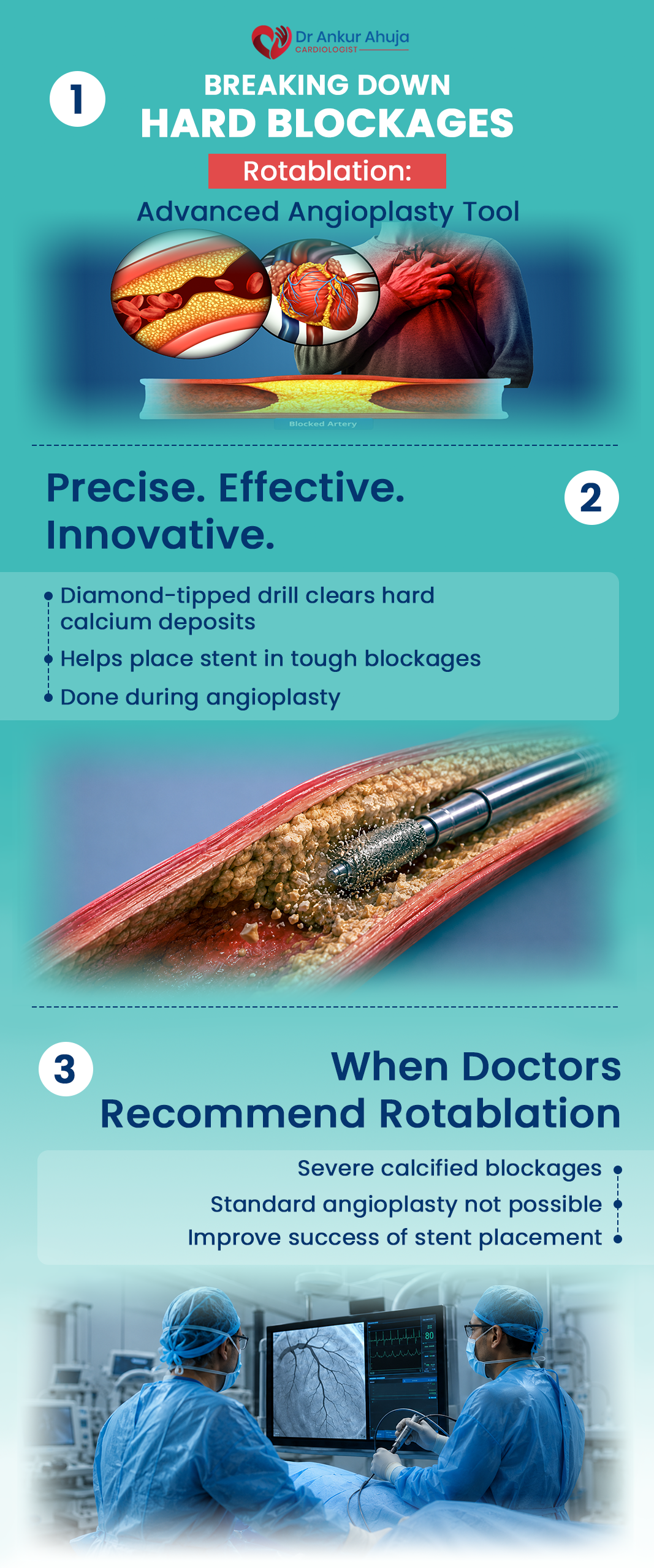
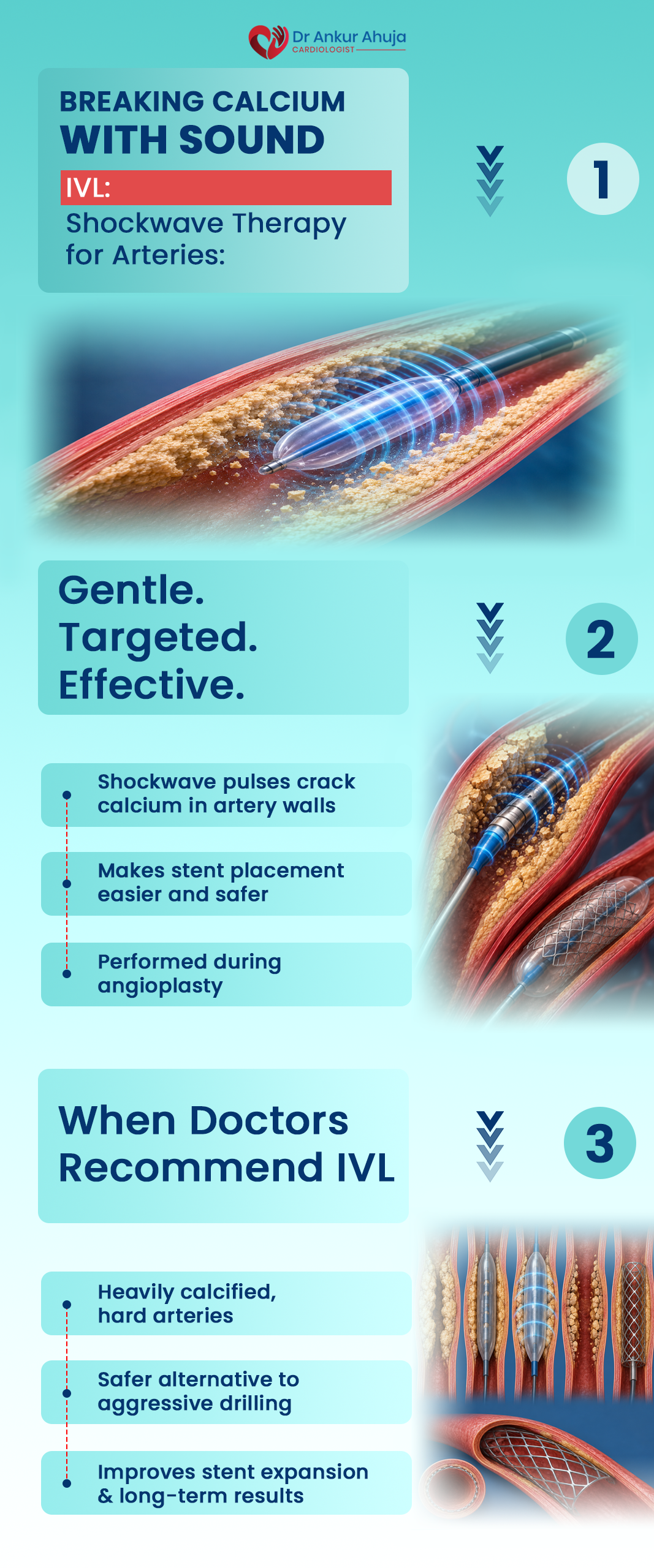
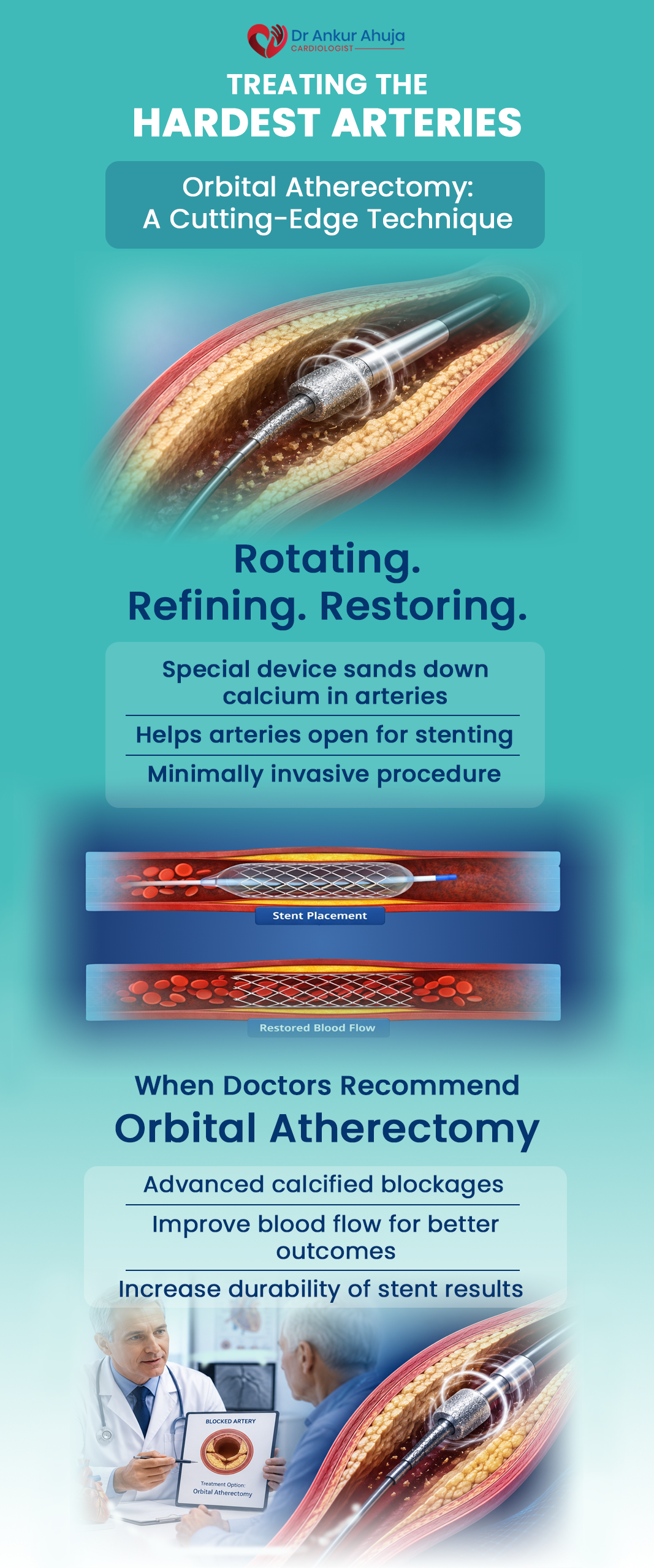
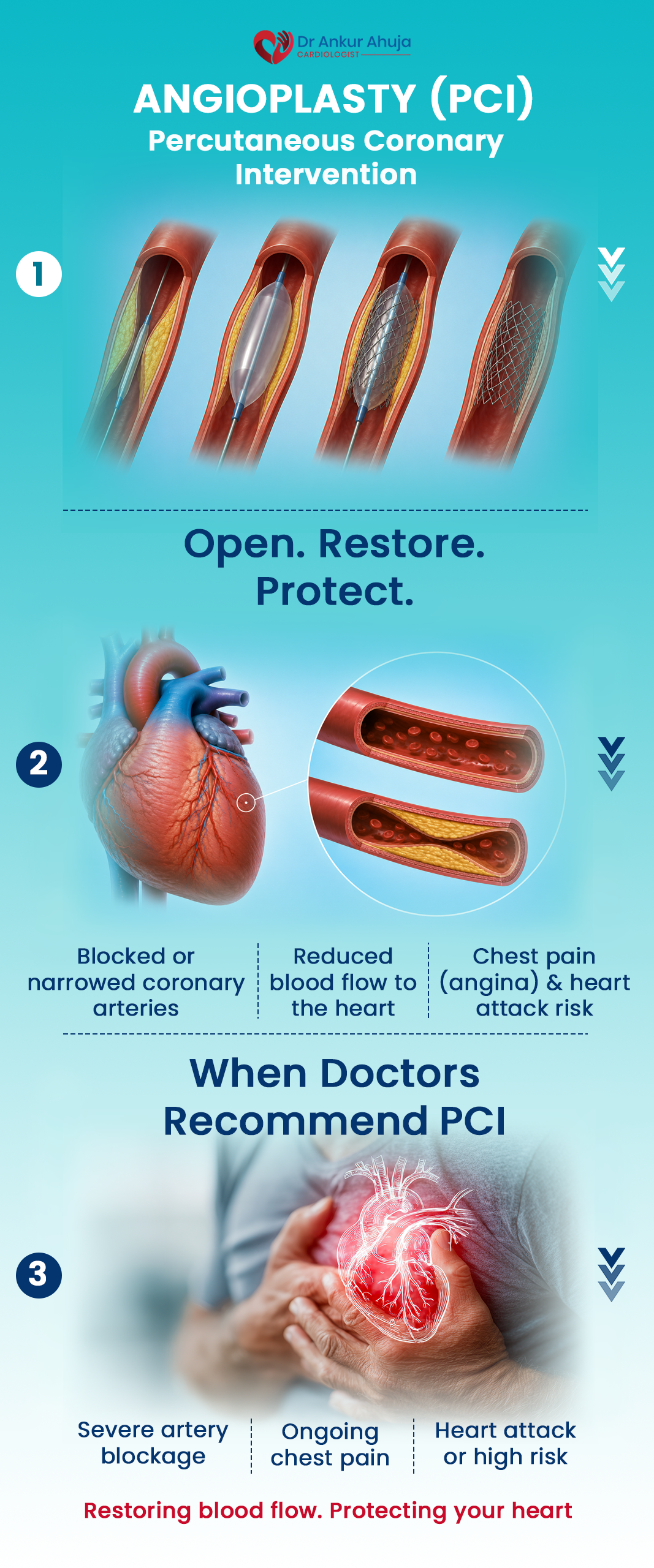
- Procedures such as angioplasty or stenting when appropriate
- Bypass surgery in selected patients
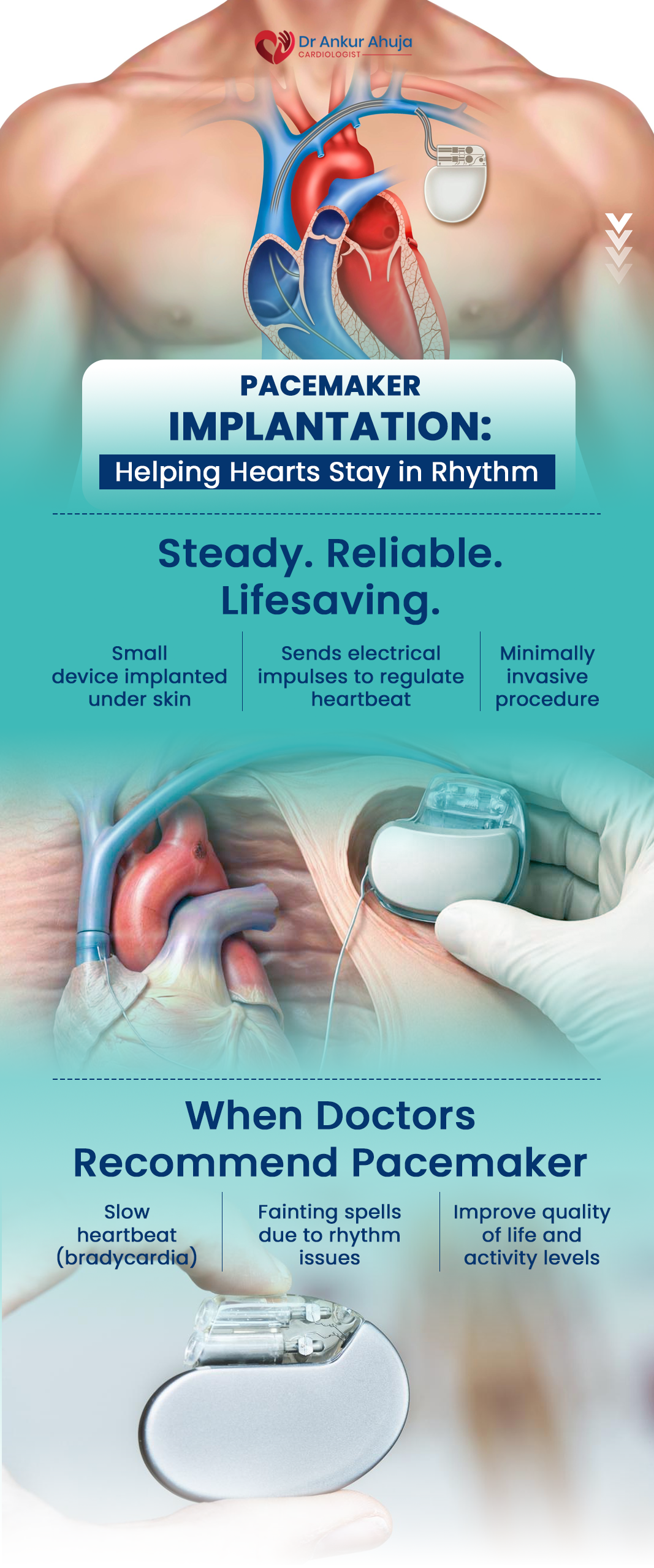
- Treatment of abnormal heart rhythms
- Management of heart failure
The appropriate combination depends on the patient’s diagnosis and overall risk.
Can Blocked Arteries Be Reversed?
This is one of the most common questions people ask after learning they have coronary artery disease.
What Causes Arterial Blockages?
Coronary arteries can develop atherosclerosis, a process involving the buildup of plaque within artery walls.
Plaque can contain cholesterol, inflammatory cells, calcium and other substances.
Over time, atherosclerosis can narrow an artery and reduce blood flow. In some cases, a plaque can rupture and contribute to blood clot formation, potentially causing a heart attack.
Can Coronary Artery Disease Be Reversed?
Coronary artery disease can often be managed very effectively, but established plaque should not be assumed to disappear completely through lifestyle changes.
Research has shown that intensive risk-factor management can slow progression and, in some circumstances, lead to modest plaque regression.
The more reliable clinical goal is to stabilize disease and reduce the risk of heart attack and other cardiovascular events.
This is why patients diagnosed with coronary disease should follow an individualized treatment plan rather than relying on claims about “natural artery cleansing.”

Can You Reverse Heart Disease Naturally?
Lifestyle changes are extremely important, but the word “naturally” needs context.
Lifestyle Can Change Cardiovascular Risk
Several modifiable factors have a strong relationship with cardiovascular health.
These include:
- Tobacco use
- Physical inactivity
- High blood pressure
- Unhealthy cholesterol levels
- Diabetes
- Excess body weight
- Poor dietary patterns
- Excessive alcohol consumption
- Poor sleep
- Chronic stress
Improving these areas can meaningfully affect cardiovascular risk.
But Natural Does Not Mean Medication-Free
There is a misconception that prescribed medicines should be replaced with lifestyle changes.
Which is not always safe.
People who have known coronary artery disease, high cholesterol, high blood pressure, diabetes or have had cardiovascular events in the past may need drugs in addition to lifestyle changes.
A healthy diet and exercise are good, but should not be portrayed as a substitute for clinically indicated treatment.
Can Heart Disease Be Reversed Naturally Through Diet?
Diet is an important part of cardiovascular prevention and management.
However, there is no single food that can remove established plaque overnight.
What a Heart-Healthy Eating Pattern Looks Like
A heart-healthy lifestyle generally emphasizes a dietary pattern rich in:
- Vegetables
- Fruits
- Whole grains
- Legumes
- Nuts and seeds
- Appropriate sources of lean protein
- Fish where suitable
- Unsaturated fats
It generally limits excessive intake of:
- Saturated fats
- Trans fats
- Added sugars
- Highly processed foods
- Excess sodium
- Excess calories
The exact dietary approach should be adapted to a person’s health conditions, cultural food habits, preferences and nutritional needs.
Focus on the Overall Pattern
One “superfood” is unlikely to transform cardiovascular health by itself.
A consistent dietary pattern matters more than individual ingredients.
For patients with diabetes, kidney disease, high blood pressure or other medical conditions, dietary recommendations may need additional customization.
How to Reverse Heart Disease Risk Factors
While not every aspect of established disease can be reversed, many risk factors can be improved.
Control Blood Pressure
Persistently elevated blood pressure puts additional stress on blood vessels and the heart.
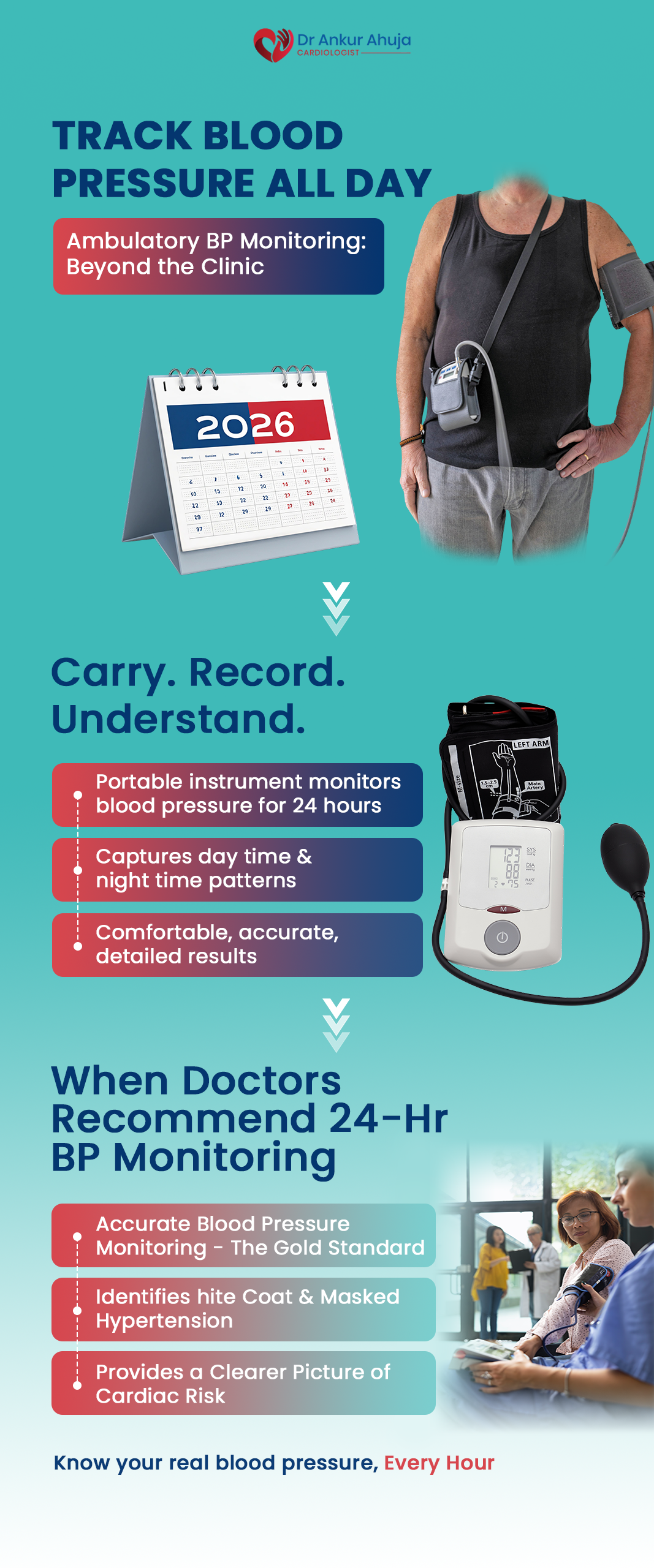
Regular monitoring, dietary improvements, physical activity, weight management when appropriate, and prescribed medication can help bring blood pressure under control.
Improve Cholesterol Levels
LDL cholesterol is an important cardiovascular risk factor.
For people at elevated risk or with established cardiovascular disease, doctors may recommend cholesterol-lowering medication alongside lifestyle changes.
The target level depends on the person’s overall cardiovascular risk and clinical circumstances.
Manage Blood Sugar
Diabetes and chronically elevated blood glucose can increase cardiovascular risk.
Healthy eating, physical activity, weight management where appropriate and prescribed diabetes treatment can all play a role in controlling blood sugar.
Stop Smoking
Smoking is a major cardiovascular risk factor.
Quitting can substantially improve cardiovascular health and reduce the risk associated with continued tobacco exposure.
For people who find quitting difficult, professional support and approved smoking-cessation treatments can improve the chances of success.
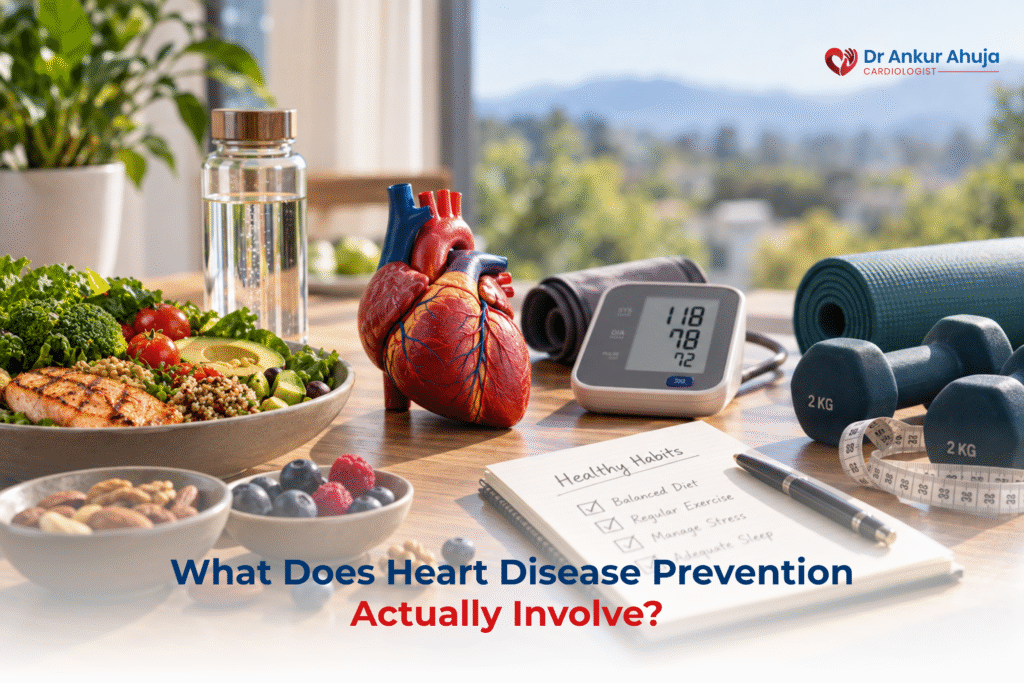
What Does Heart Disease Prevention Actually Involve?
Heart disease prevention is not a single action. It is a long-term approach to reducing cardiovascular risk.
Know Your Risk Factors
Understanding personal risk can help determine what needs attention.
Important heart disease risk factors can include:
- Age
- Family history
- High blood pressure
- High LDL cholesterol
- Diabetes
- Smoking
- Physical inactivity
- Obesity
- Certain dietary patterns
- Kidney disease
- Previous cardiovascular disease
Not all risk factors are modifiable, but many are.
Get Appropriate Health Checks
Depending on age, medical history, symptoms and risk profile, a doctor may recommend monitoring:
- Blood pressure
- Cholesterol
- Blood glucose
- Weight and waist measurements
- Kidney function
- Other tests based on individual circumstances
Routine assessment can identify problems before symptoms become obvious.
How Exercise Supports Cardiovascular Health
Physical activity is one of the foundations of cardiovascular health.
Why Regular Activity Matters
Regular physical activity can support:
- Cardiovascular fitness
- Blood pressure control
- Weight management
- Blood sugar regulation
- Cholesterol management
- Overall physical function
- Mental well-being
For many adults, a combination of aerobic activity and muscle-strengthening exercises is beneficial.
However, people with diagnosed heart disease should discuss appropriate exercise intensity with their healthcare professional, particularly if they have symptoms or significant cardiovascular limitations.
Start at an Appropriate Level
You don’t need to jump into a hard-core exercise program if you haven’t moved your muscles in years.
This may be more practical and sustainable with gradual increases in activity.
Supervised cardiac rehabilitation may be useful for patients recovering from certain cardiac events.
Can Lifestyle Changes Replace Heart Disease Treatment?
This is a critical myth to address.
Lifestyle and Medical Treatment Work Together
Lifestyle changes are powerful, but they do not automatically replace medical therapy.
For example, a person with established coronary artery disease may require medications to reduce cardiovascular risk even if they eat well, exercise regularly and maintain a healthy weight.
Likewise, a person with severe valve disease may need a procedure because lifestyle changes cannot mechanically correct a damaged valve.
Never Stop Medication Without Medical Advice
If a patient feels better after making lifestyle changes, that is encouraging—but it does not mean prescribed medicines should be stopped independently.
Medication decisions should be made with the treating clinician after reviewing symptoms, test results, risk factors and treatment goals.
Common Myths About Reversing Heart Disease
Myth 1: A Detox Can Clean Blocked Arteries
There is no simple detox drink that can physically clean coronary arteries like a household pipe.
Cardiovascular disease requires evidence-based assessment and treatment.
Myth 2: Exercise Alone Can Remove Plaque
Exercise is highly beneficial for cardiovascular health, but it should not be described as a guaranteed method for eliminating established arterial plaque.
Its value includes improving fitness and helping manage several cardiovascular risk factors.
Myth 3: No Symptoms Means No Heart Disease
Some cardiovascular conditions can exist without obvious symptoms.
This is one reason risk assessment and appropriate preventive care matter.
Myth 4: A Stent Permanently Cures Coronary Disease
A stent can open a narrowed coronary artery and improve blood flow in appropriate circumstances, but it does not necessarily eliminate the underlying process of atherosclerosis elsewhere in the coronary circulation.
Long-term risk-factor management remains important.
When Should You See a Cardiologist?
A cardiovascular evaluation may be appropriate when someone has concerning symptoms or significant risk factors.
Symptoms That Should Not Be Ignored
Seek urgent medical attention for symptoms such as:
- Chest pressure, tightness, or pain
- Pain spreading to the arm, jaw, back, or shoulder
- Sudden or severe shortness of breath
- Fainting or near-fainting
- Unexplained severe sweating
- New severe weakness associated with other concerning symptoms
Heart attack symptoms can vary between individuals. Women, older adults, and people with diabetes may sometimes experience less typical symptoms.
If symptoms suggest a possible heart attack, emergency medical care should not be delayed while trying home remedies.
Risk Without Symptoms Also Matters
People with high blood pressure, diabetes, high cholesterol, smoking history, strong family history, or previous cardiovascular disease may benefit from discussing cardiovascular risk with their doctor even when they feel well.
How Dr. Ankur Ahuja Approaches the Bigger Picture of Heart Health
Dr. Ankur Ahuja emphasizes the importance of understanding cardiovascular health as more than a single test result or symptom.
When considering whether heart disease can improve, the focus should be on the individual’s diagnosis, risk factors, symptoms, investigations, treatment plan, and long-term prevention strategy.
This patient-centered approach is important because two people with the same broad diagnosis may have very different levels of cardiovascular risk and may require different management strategies.
Rather than looking for a quick “reversal” solution, patients should work with a qualified cardiology professional to identify what can be improved and what requires ongoing monitoring.
A Personalized Approach Matters
A comprehensive cardiovascular assessment may involve reviewing medical history, family history, blood pressure, cholesterol, blood sugar, lifestyle habits, symptoms, medications, and appropriate diagnostic tests.
The objective is to create a realistic plan based on the patient’s actual condition rather than a generic internet claim.
Frequently Asked Questions About Can Heart Disease Be Reversed
Q1: Can heart disease be reversed completely?
The complete reversal depends on the particular condition. Some causes of cardiac dysfunction may be significantly improved by appropriate treatment whereas established atherosclerotic disease may require lifelong management. Treatment still can reduce risk and improve cardiovascular outcomes.
Is heart disease reversible with lifestyle changes?
Lifestyle changes can improve important cardiovascular risk factors, including blood pressure, cholesterol, blood sugar, fitness and body weight. They are an important part of care but may not completely reverse established structural or arterial disease.
Q2: Can heart disease be treated without surgery?
Many heart conditions can be controlled without surgery using lifestyle measures, medicines, monitoring and other treatments. However, some structural or severe coronary disease may require intervention. The choice of the appropriate option depends on the diagnosis of the individual.
Q3: Can blocked arteries be reversed naturally?
Lifestyle changes can help slow atherosclerosis and may contribute to limited plaque regression in some circumstances, but there is no proven natural remedy that simply clears established coronary blockages. Medical evaluation and risk-based treatment remain important.
Q4: Can coronary artery disease be reversed?
Coronary artery disease can often be managed effectively, and intensive risk-factor control may produce some plaque regression in selected circumstances. However, patients should not assume that established disease has completely disappeared.
Q5: How long does it take to improve heart health?
The timeline varies by individual and by the risk factor being addressed. Some changes, such as improvements in blood pressure or fitness, may occur relatively quickly, while cholesterol management and long-term cardiovascular risk reduction require ongoing consistency.
Q6: Can exercise reverse heart disease?
Exercise can improve fitness and several cardiovascular risk factors, but it is not a universal cure for established heart disease. People with known cardiovascular conditions should choose an appropriate activity level with guidance from their healthcare professional.
Q7: Can a healthy diet reverse heart disease?
A healthy dietary pattern can support cardiovascular health and improve several risk factors. However, diet should not be considered a guaranteed way to eliminate established plaque or replace clinically recommended medication and treatment.
Final Verdict: Can Heart Disease Be Reversed?
So, Can Heart Disease Be Reversed?
The most accurate answer is: sometimes aspects of cardiovascular disease can improve, but complete reversal is not guaranteed and depends on the specific condition.
Risk factors such as high blood pressure, unhealthy cholesterol levels, physical inactivity, smoking and poorly controlled blood sugar can often be improved substantially.
Some forms of heart dysfunction can also improve when the underlying cause is identified and treated.
If coronary artery disease and structural heart damage are established, long term management may be required. Today’s cardiovascular care includes lifestyle changes, medication, monitoring and procedures.
The most important takeaway is not to look for a miracle cure. Instead, know your diagnosis, know your modifiable risk factors, adhere to evidence-based treatment and have regular medical follow-up.
If you’re looking for professional guidance on your cardiovascular health, Dr. Ankur Ahuja can help you assess your heart-health concerns and plan the right approach for you, based on your symptoms, risk factors, investigations and clinical needs.
A Practical Takeaway
Heart health is not an all-or-nothing situation.
Even when a condition cannot be completely reversed, meaningful improvements are often possible. Reducing risk, preventing complications, controlling symptoms and protecting cardiovascular function are valuable goals.
The earlier these steps begin—and the more consistently they are maintained—the more opportunity there may be to protect long-term heart health.
Medical Disclaimer:
This article provides general educational information and is not a substitute for personalized medical advice, diagnosis, or treatment. If you have concerning or emergency symptoms, seek immediate medical care.