Turning 40 is a significant milestone for your health. You can be active, at a healthy weight and have no obvious symptoms but some cardiovascular risks can silently start to develop.
High blood pressure, abnormal cholesterol, diabetes and coronary artery disease may cause few or no warning signs in their early stages. This is why understanding the right heart health tests after 40 can be an important part of preventive healthcare.
But having a heart check-up doesn’t mean everyone requires every cardiac test available. Whether you should be screened depends on your age, symptoms, family history, lifestyle and existing medical conditions and overall cardiovascular risk.
At Dr. Ankur Ahuja’s practice, preventive cardiac care focuses on identifying individual risk factors and selecting appropriate investigations rather than recommending unnecessary testing. The aim is to detect potential problems early while helping patients make informed decisions about their long-term heart health.
This guide explains common heart tests, what they can reveal and when more advanced investigations may be considered.
Why Heart Health Deserves More Attention After 40
Cardiovascular risk generally increases with age. Changes in blood pressure, cholesterol, metabolism and blood vessel health can gradually increase the likelihood of heart disease.
Lifestyle factors may add to this risk, including:
- Smoking or tobacco use
- Physical inactivity
- Chronic stress
- Poor sleep
- Unhealthy dietary patterns
- Excess body weight
- Regular excessive alcohol consumption
The presence of diabetes, hypertension, kidney disease or a family history of premature cardiovascular disease may make earlier or more frequent evaluation especially important.
Heart Disease Can Develop Without Obvious Symptoms
One reason preventive care matters is that several cardiovascular risk factors are silent.
You may have high blood pressure or abnormal cholesterol without feeling unwell. Changes in blood vessels can also develop gradually before causing noticeable symptoms.
Routine risk assessment can identify these concerns earlier, allowing your doctor to recommend lifestyle changes, further evaluation or treatment when appropriate.
Start With a Comprehensive Heart Checkup After 40
A good cardiac evaluation usually begins with the basics rather than advanced scans.
Your doctor may review your medical history, family history, medications, lifestyle, symptoms, blood pressure, weight and other relevant health information before deciding which investigations are appropriate.
Blood Pressure Measurement
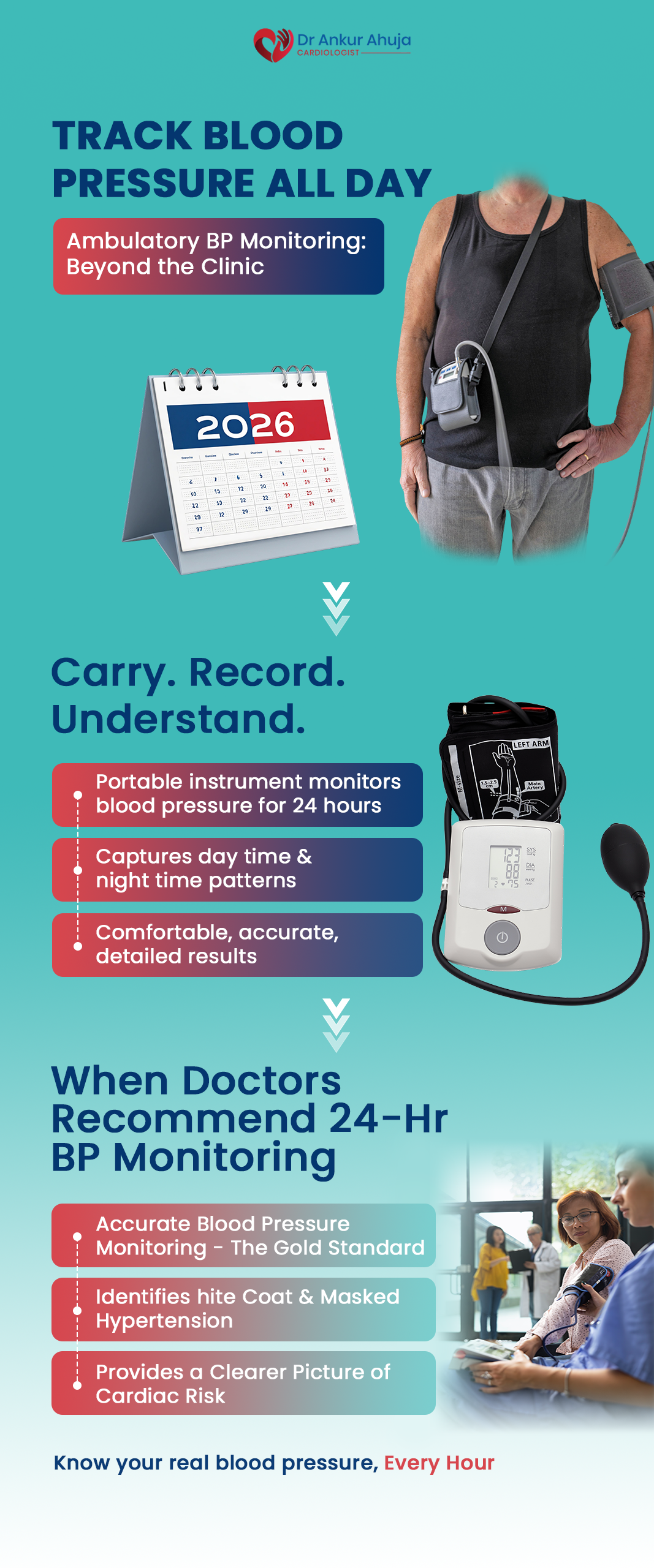
Blood pressure is one of the simplest yet most important cardiovascular measurements.
Persistently high blood pressure can place additional strain on the heart and damage blood vessels over time. It is associated with an increased risk of heart disease, stroke, kidney problems and other complications.
Because hypertension may not cause noticeable symptoms, regular measurement is important.
If a reading is high, your doctor may recommend repeat measurements or home monitoring rather than making conclusions from a single result.
1. Lipid Profile for Cholesterol Assessment
A lipid profile is a common blood test used to assess cholesterol and related fats in the blood.
It generally provides information about:
- Total cholesterol
- LDL cholesterol
- HDL cholesterol
- Triglycerides
These values help doctors assess cardiovascular risk alongside factors such as age, blood pressure, diabetes, smoking status and family history.
Why Cholesterol Testing Matters
Elevated LDL cholesterol can contribute to plaque buildup inside arteries over time. This process may narrow the arteries and increase cardiovascular risk.
Importantly, high cholesterol usually does not produce obvious symptoms.
The frequency of testing depends on your results and overall health profile. Some individuals may need closer monitoring, while others may be tested at longer intervals based on their doctor’s advice.
2. Blood Sugar and Diabetes Screening
Diabetes is strongly linked to cardiovascular disease. Blood vessels can become damaged over time if you have chronically high blood glucose and this increases your risk of heart problems.
Common investigations are fasting blood glucose or HbA1c depending on clinical situation.
Understanding Your Metabolic Risk
People with diabetes often have other cardiovascular concerns, such as high blood pressure or abnormal cholesterol.
Risk may also be influenced by:
- Family history of diabetes
- Excess body weight
- Physical inactivity
- Previous abnormal glucose results
Identifying blood sugar abnormalities early creates an opportunity for lifestyle intervention, monitoring and medical treatment when necessary.
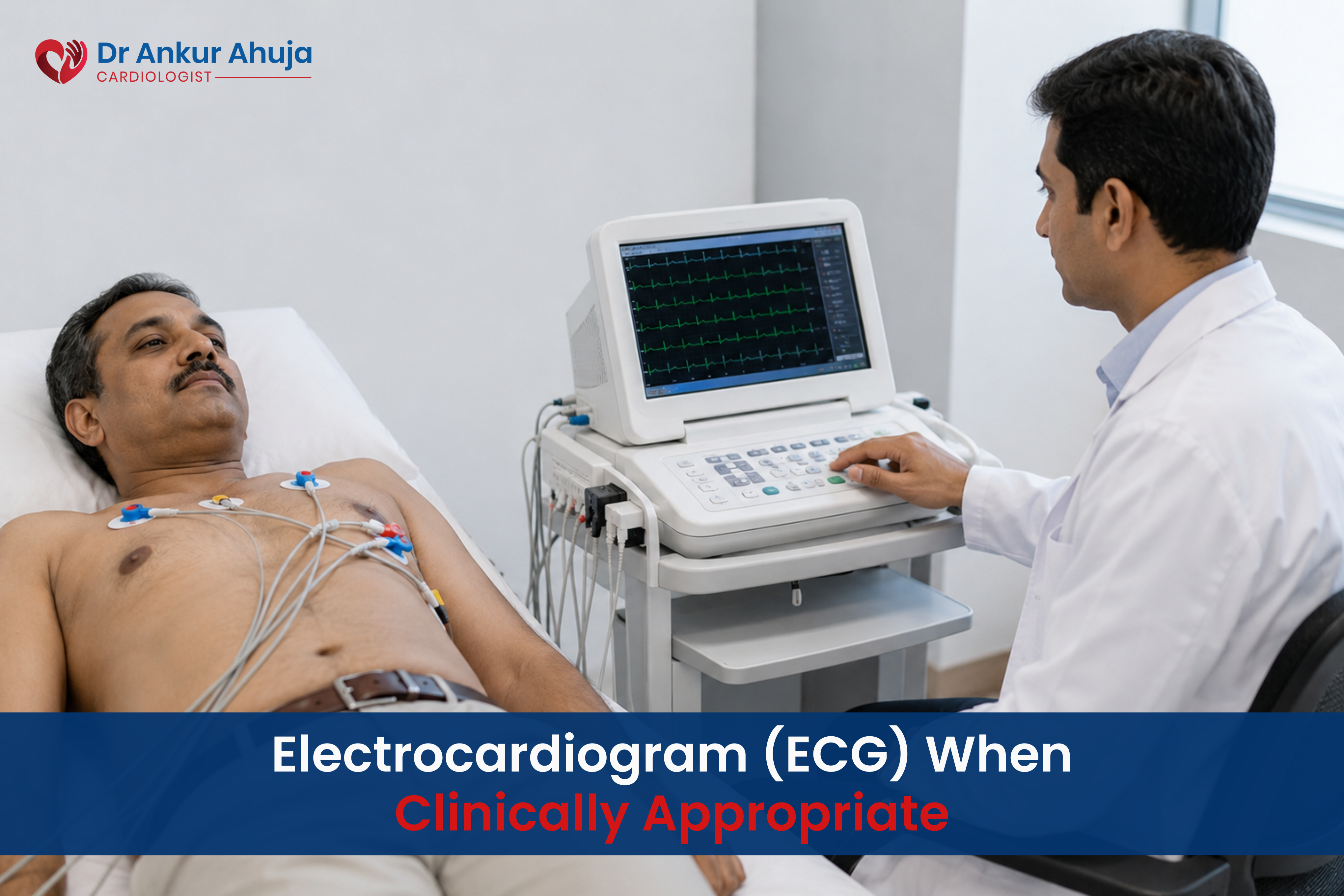
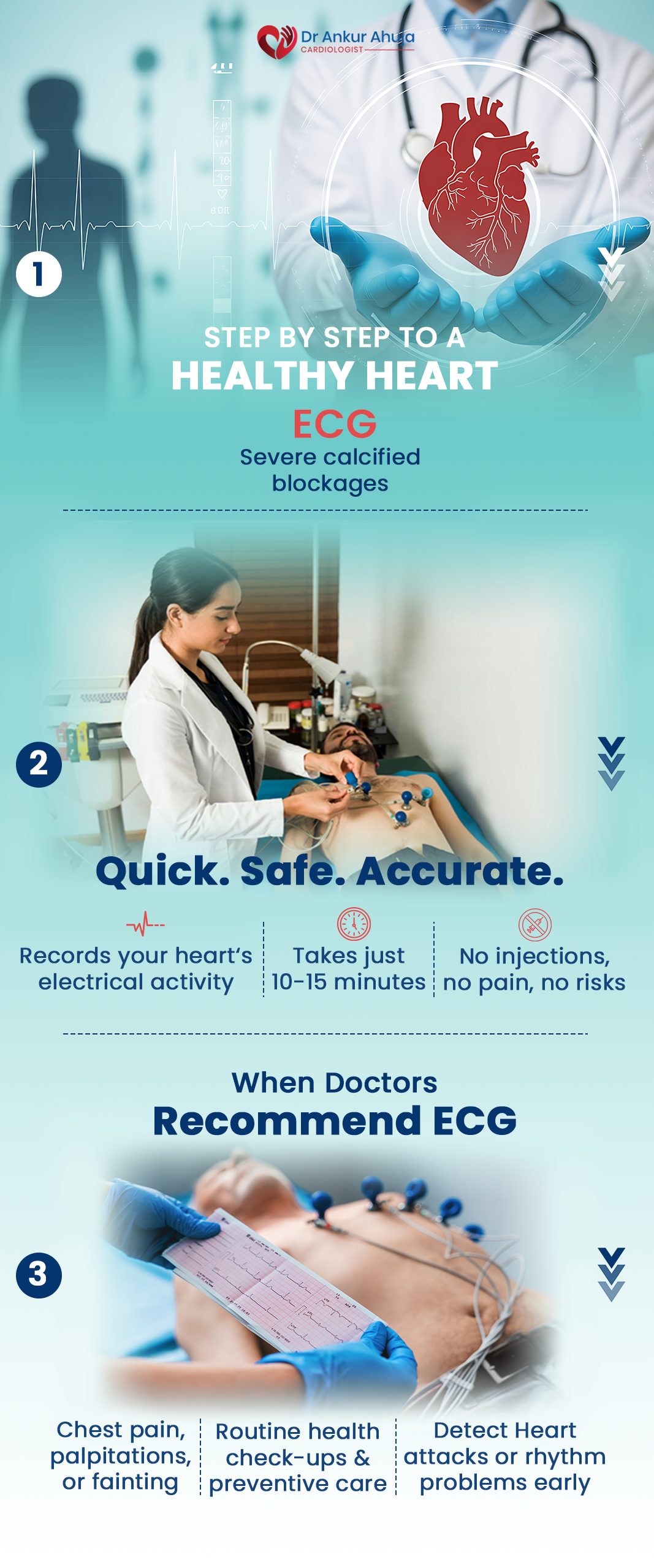
3. Electrocardiogram (ECG) When Clinically Appropriate
An electrocardiogram, commonly called an ECG or EKG, records the electrical activity of the heart.
It can help doctors evaluate heart rhythm and identify certain electrical or structural clues that may require further investigation.
Who May Need an ECG?
An ECG may be recommended when a person experiences symptoms such as:
- Chest discomfort
- Palpitations
- Unexplained breathlessness
- Dizziness or fainting
- Irregular heartbeat
It may also be used in other clinical situations based on a doctor’s assessment.
An important point is that a normal ECG does not rule out every form of heart disease. Additional evaluation may be needed when symptoms or risk factors suggest a cardiovascular problem.
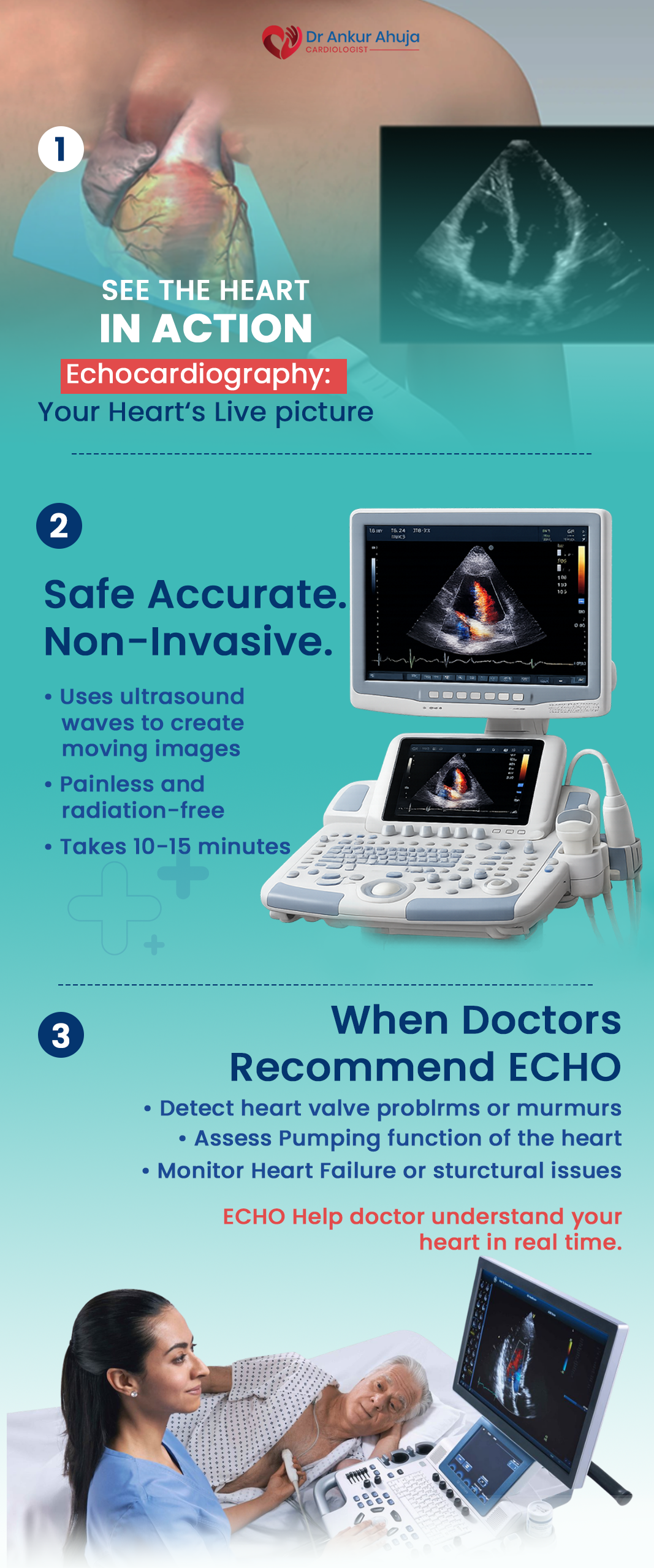
4. Echocardiography to Assess Heart Structure and Function
An echocardiogram uses ultrasound to create images of the heart.
It can provide valuable information about how the heart is pumping and help evaluate structures such as the chambers and valves.
When Is an Echocardiogram Recommended?
A doctor may consider echocardiography when there are symptoms, examination findings, an abnormal ECG, known heart disease or another clinical reason to assess heart structure and function.
It may help evaluate:
- Heart pumping function
- Heart valve problems
- Chamber size
- Certain structural abnormalities
It is an important diagnostic tool, but it is not automatically required as a routine screening test for every healthy adult simply because they have crossed 40.
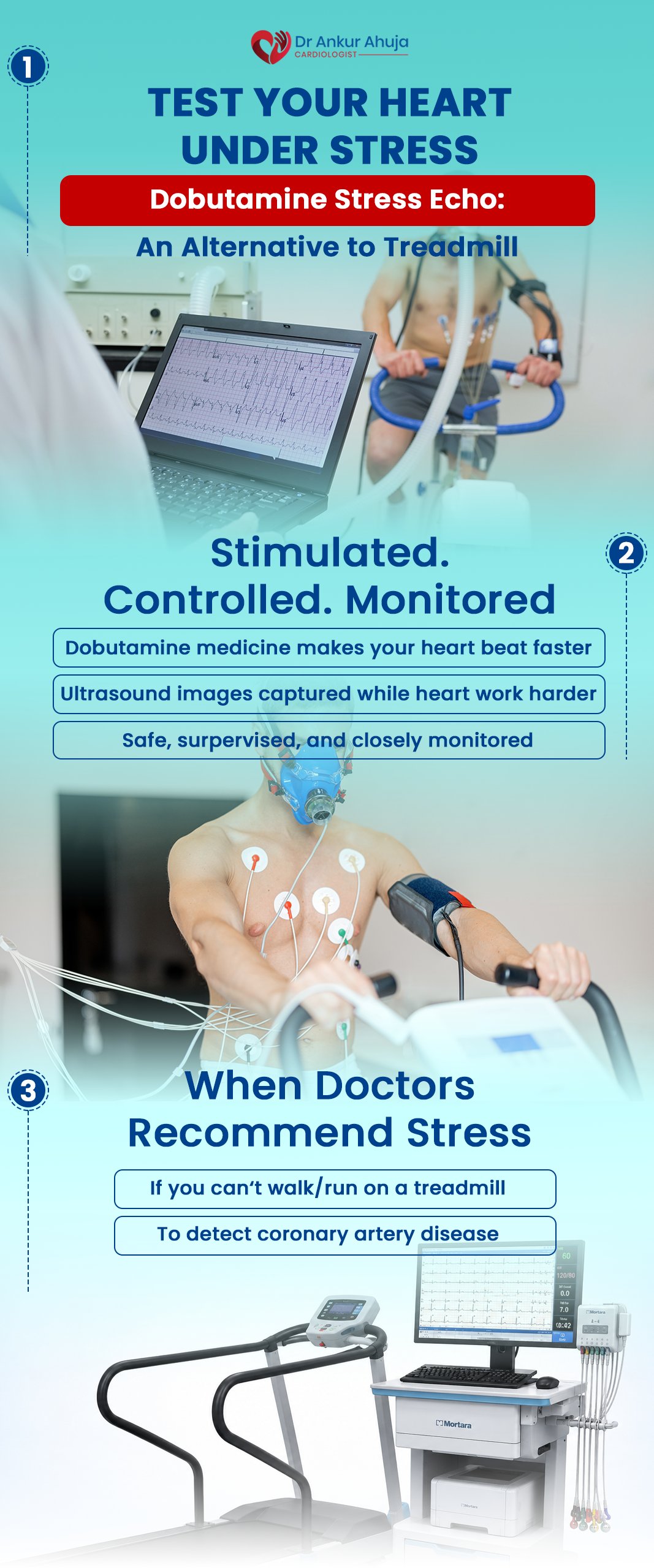
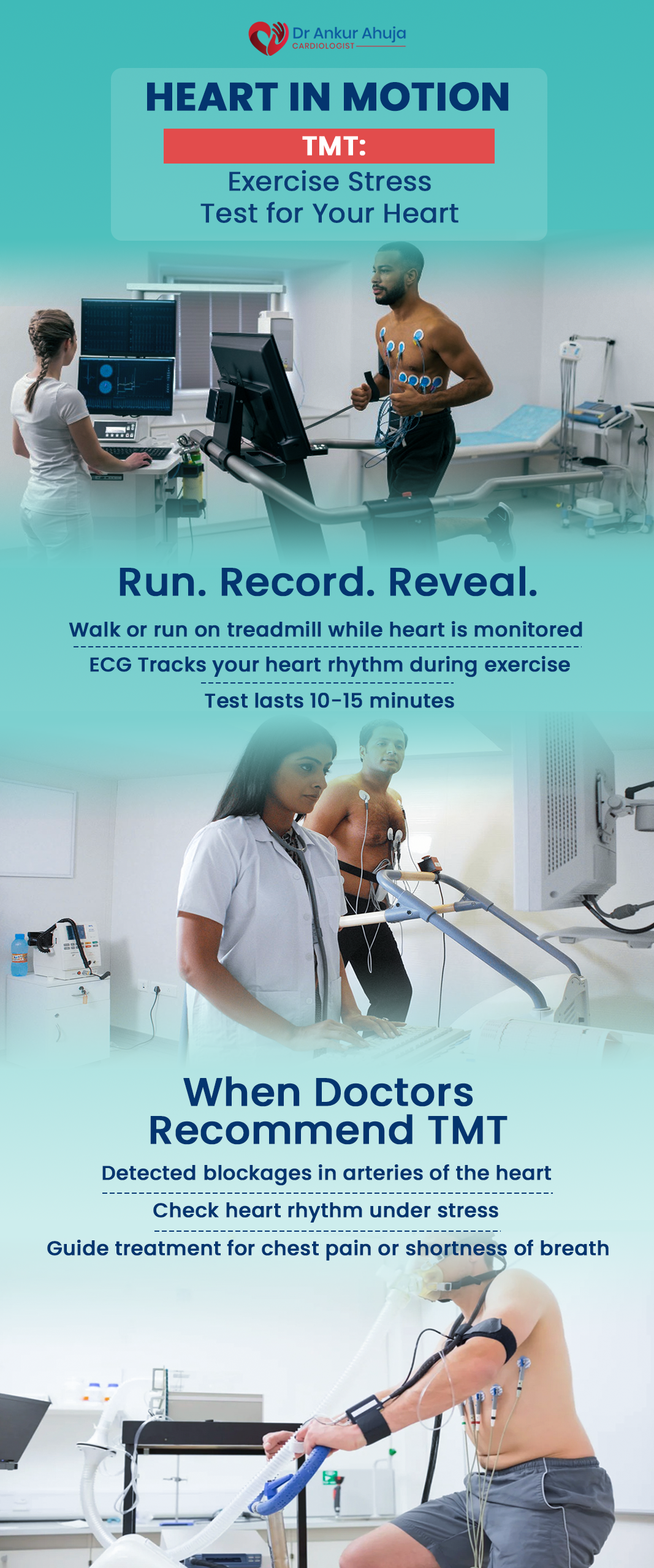
5. Exercise Stress Testing for Selected Patients
An exercise stress test evaluates how the heart responds when its workload increases.
During the test, a patient typically exercises under medical supervision while parameters such as heart rhythm, symptoms and blood pressure are monitored.
Do All Adults Over 40 Need a Stress Test?
No.
Routine stress testing is not automatically necessary for every symptom-free person over 40. Whether it is appropriate depends on symptoms, cardiovascular risk, medical history and the reason for testing.
It may be considered in selected situations, particularly when a doctor needs to evaluate exertional symptoms or possible coronary artery disease.
This is why cardiac screening tests should be selected according to individual needs rather than offered as a standard package to everyone.
6. Coronary Artery Calcium Scoring for Selected Risk Assessment
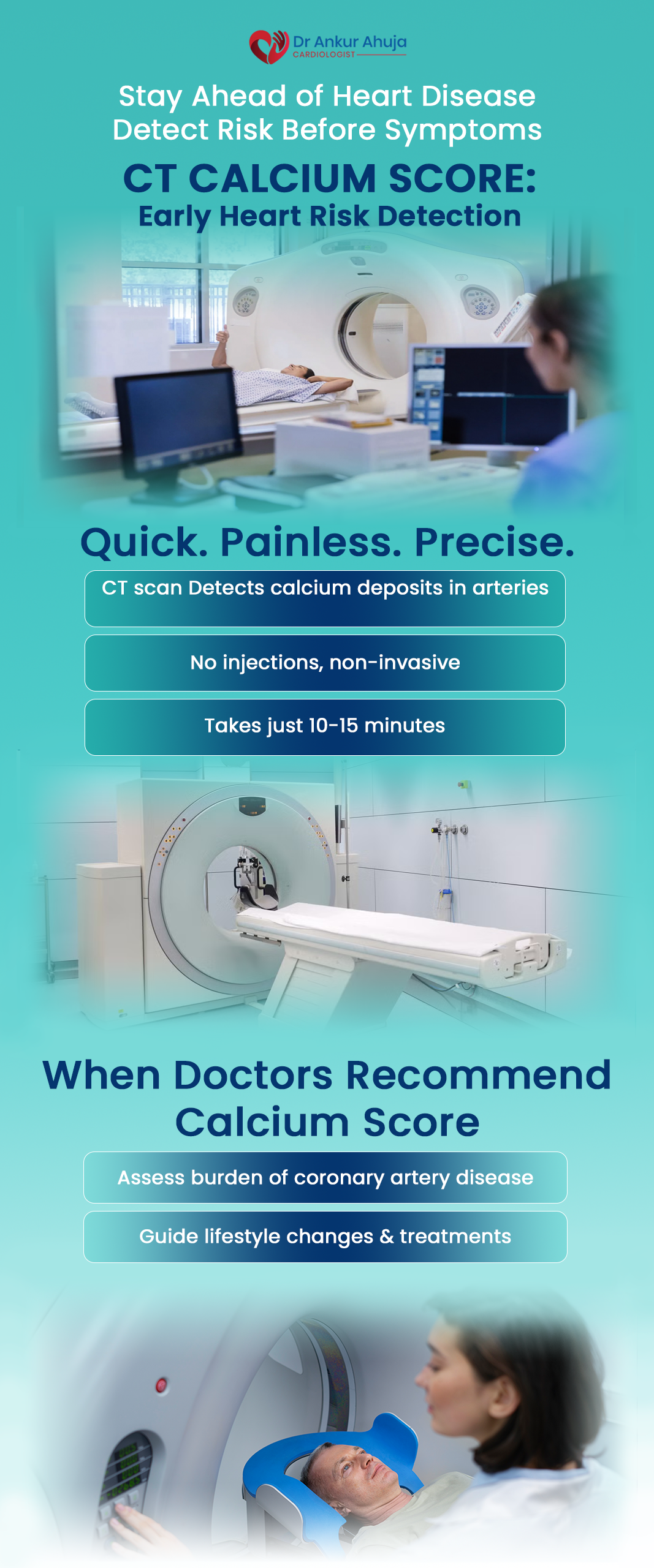
A coronary artery calcium or CAC, scan is a specialized CT test that detects calcified plaque in the coronary arteries.
It is not a routine test for every adult over 40. In selected people without known cardiovascular disease, it may provide additional information when treatment decisions remain uncertain after standard risk assessment.
Who Might Benefit From Calcium Scoring?
A doctor may discuss CAC scoring when a person’s cardiovascular risk is not clearly low or high and additional information could influence preventive decisions.
Factors considered may include:
- Age
- Cholesterol
- Blood pressure
- Smoking history
- Diabetes status
- Family history
Because CT imaging involves radiation exposure, the potential benefit should be considered carefully before testing.
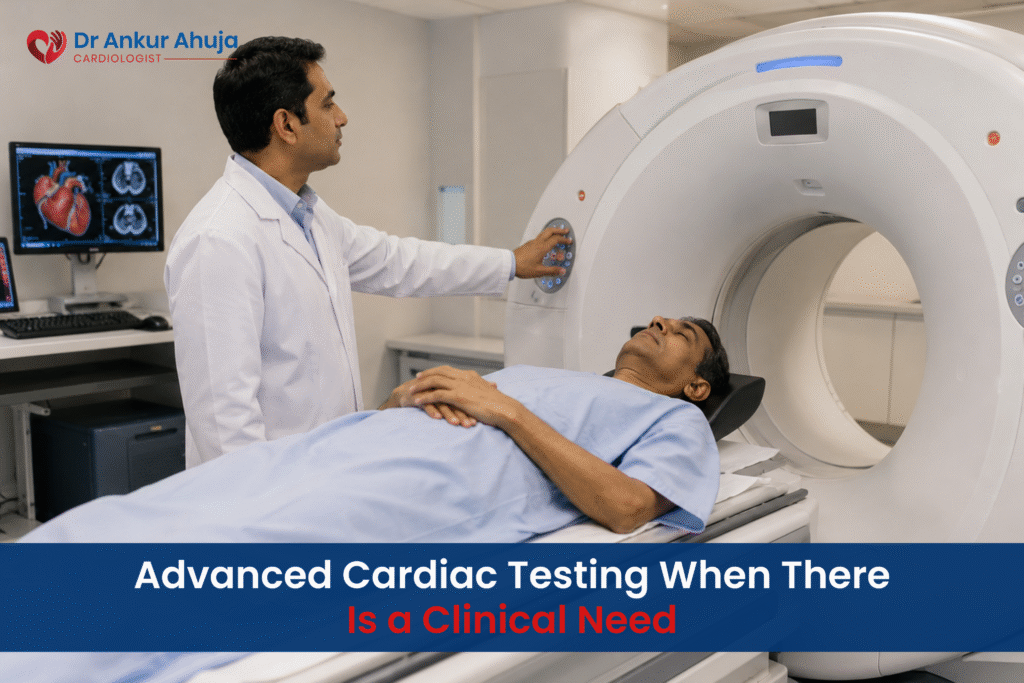
7. Advanced Cardiac Testing When There Is a Clinical Need
Advanced tests can provide valuable information, but more testing is not always better.
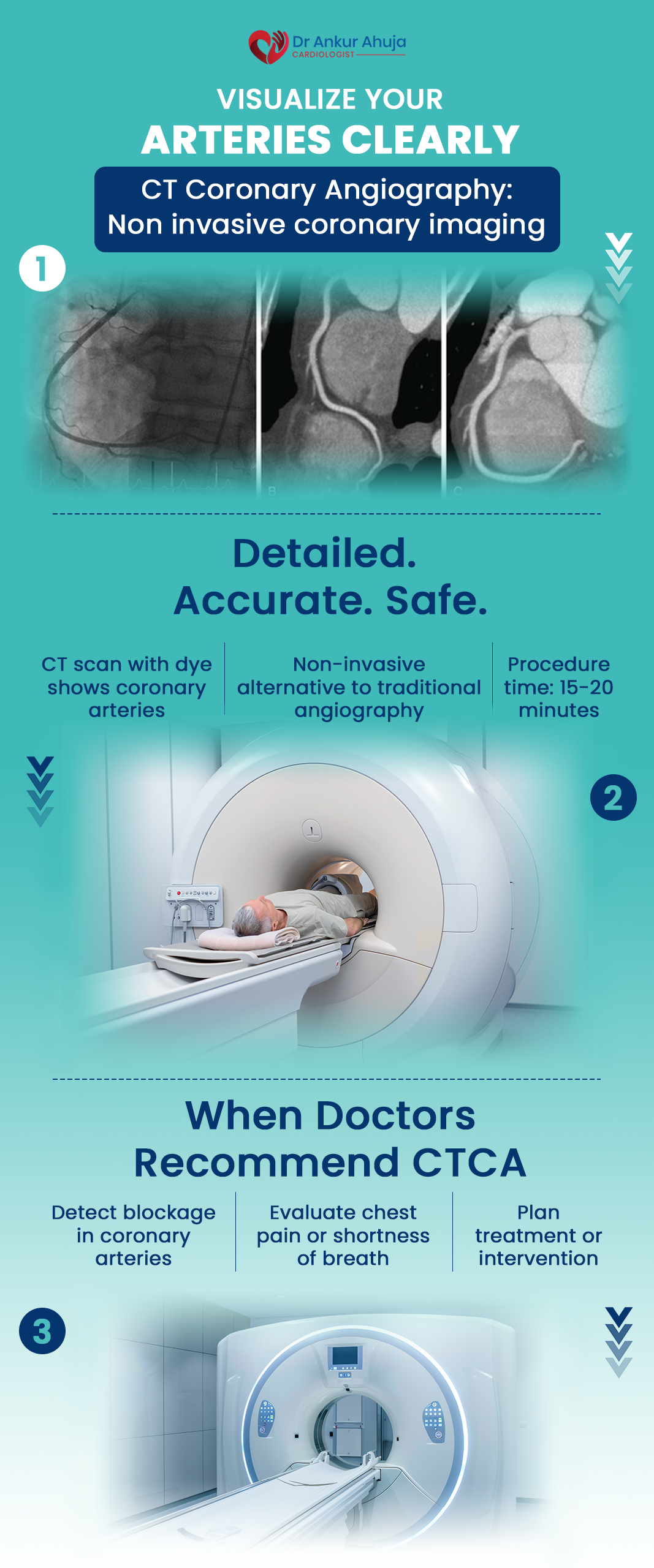
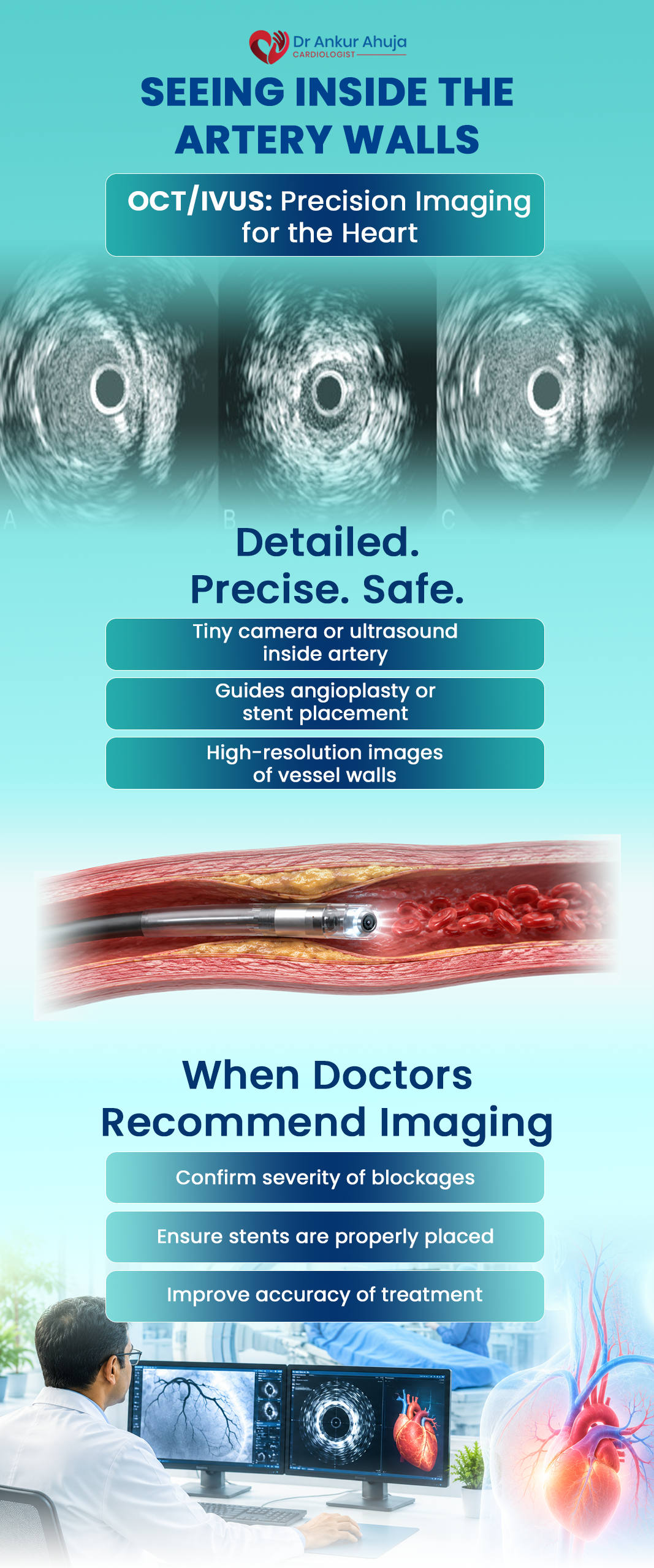
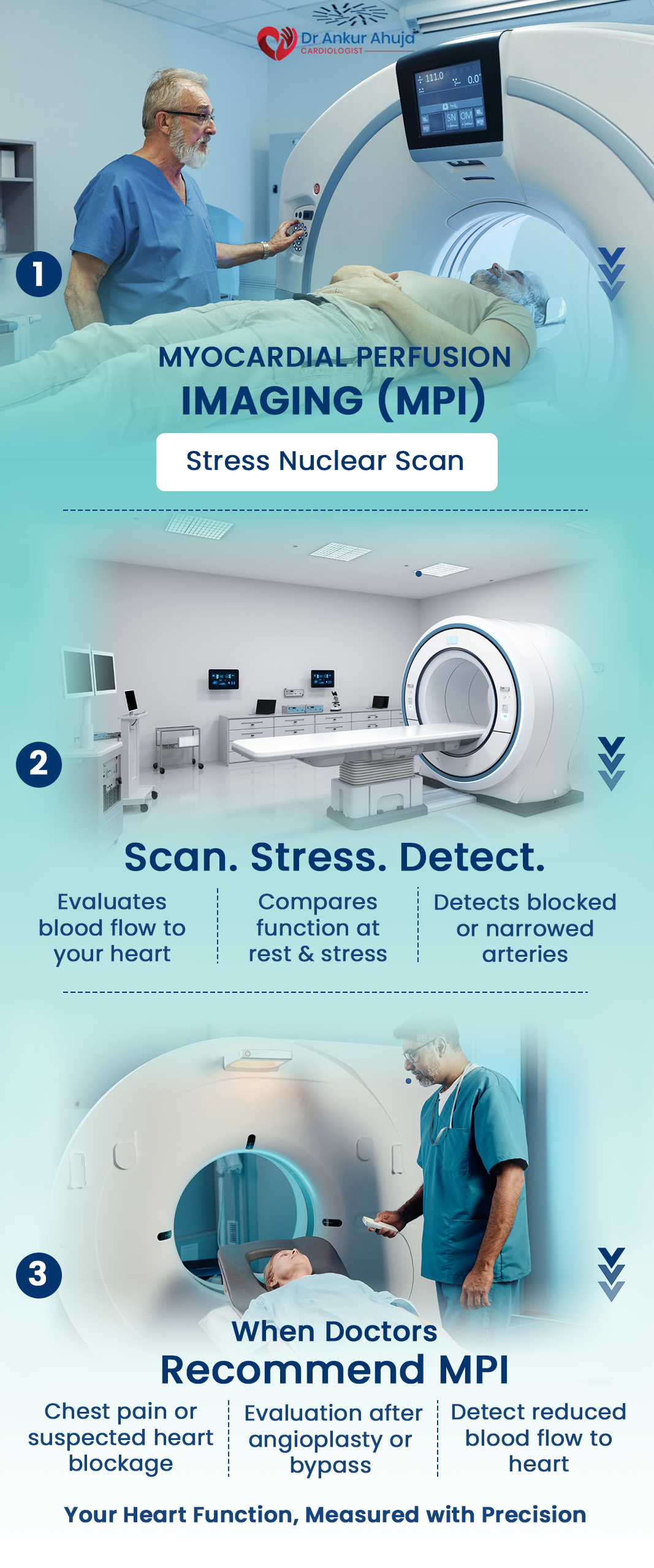
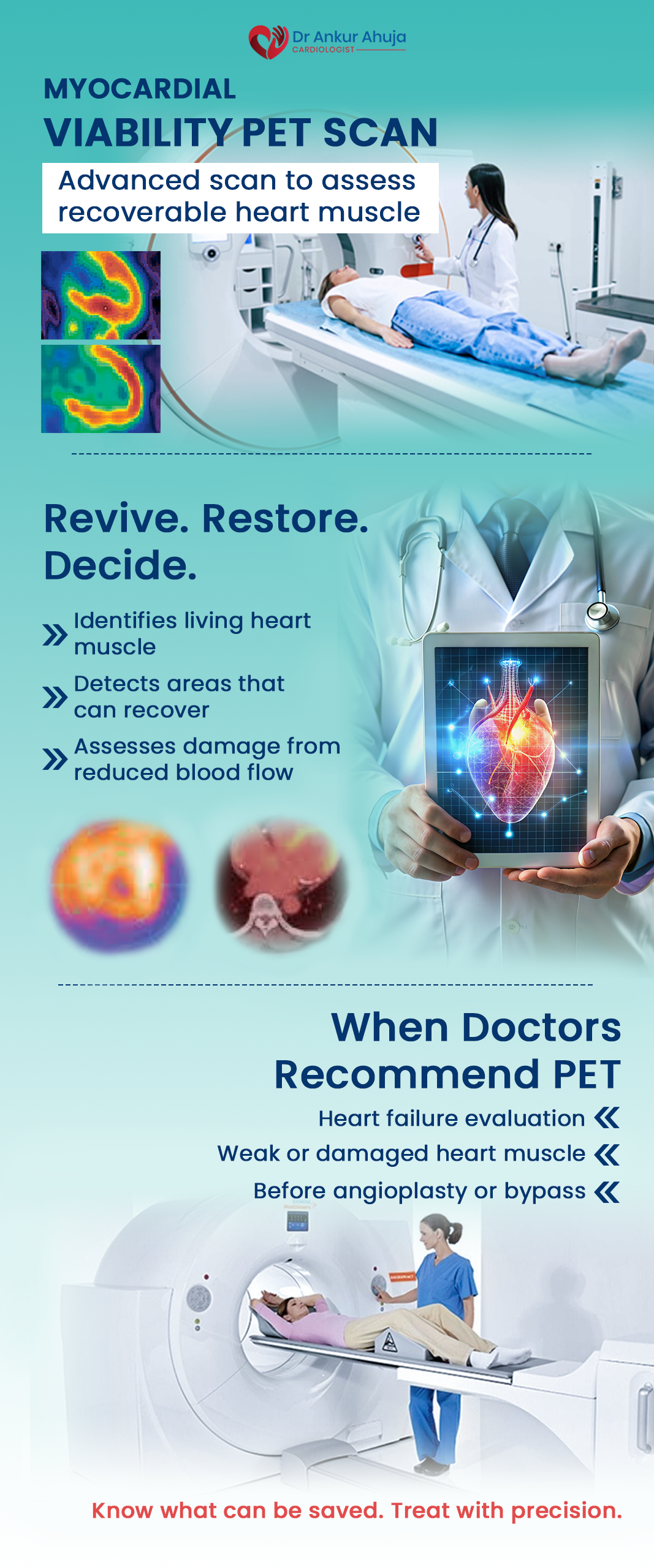
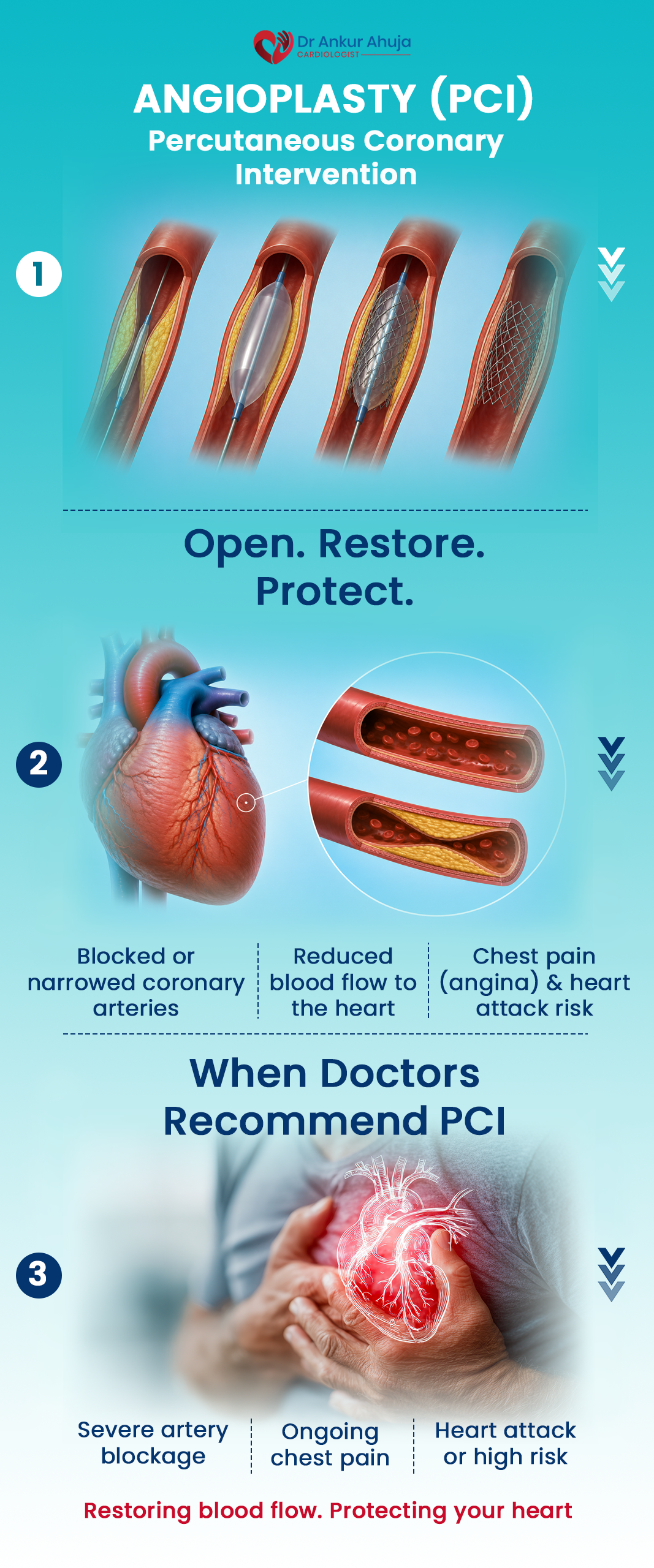
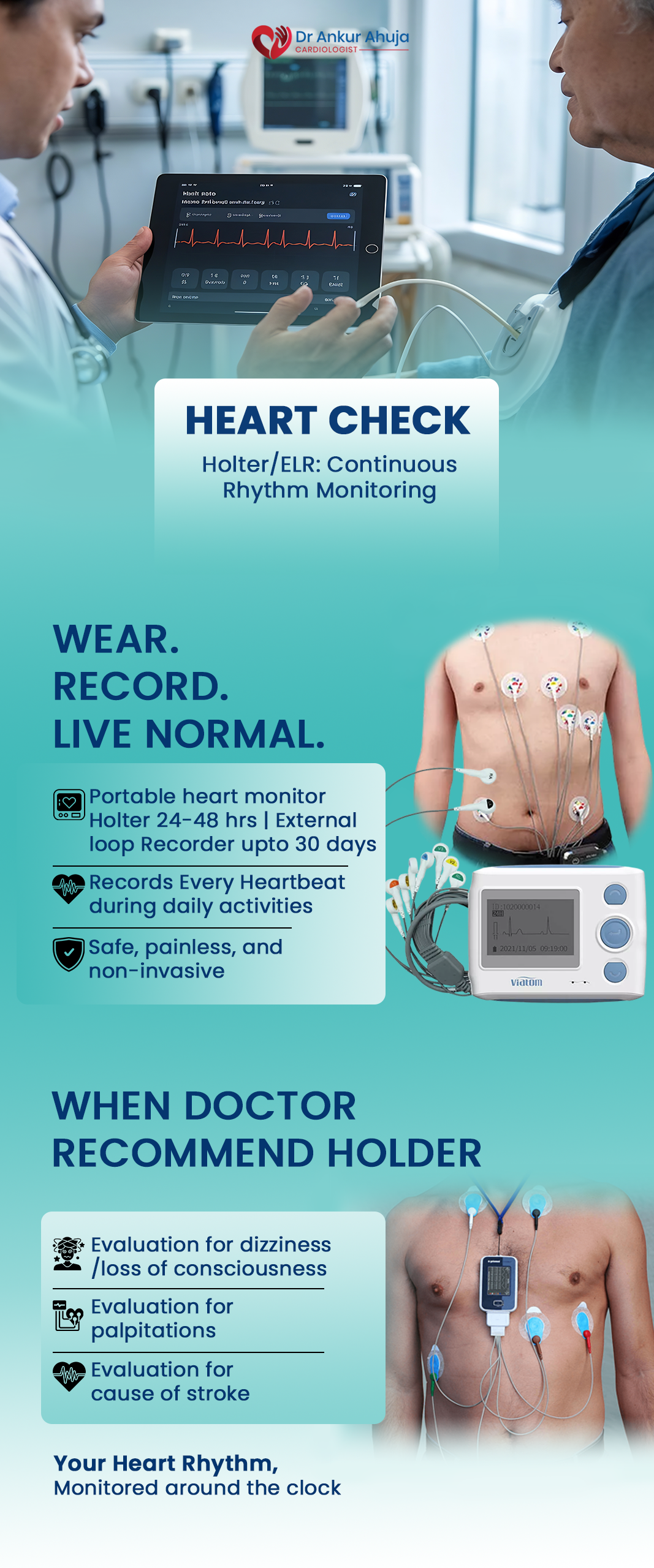
CT coronary angiography, ambulatory rhythm monitoring, specialized blood investigations or other cardiac tests may be recommended depending on symptoms and clinical findings.
Personalized Screening Is Better Than a One-Size-Fits-All Package
The best tests for heart health are those that answer a meaningful clinical question.
For example, someone experiencing palpitations may require a different evaluation from someone with exertional chest discomfort. Similarly, an individual with a strong family history may need a different prevention strategy from a low-risk adult without symptoms.
At Dr. Ankur Ahuja’s practice, cardiac evaluation is guided by a patient’s individual health profile so that investigations remain relevant, evidence-based and clinically useful.
Which Heart Disease Screening Tests Do You Really Need?
There is no universal list of tests that every person must undergo immediately after turning 40.
For many adults, the starting point is cardiovascular risk assessment combined with basic measurements and blood investigations.
A Practical Screening Approach
Depending on individual circumstances, an evaluation may begin with:
- Medical and family history
- Blood pressure
- Cholesterol assessment
- Blood glucose or diabetes screening
- Weight and lifestyle risk assessment
Further investigations may then be recommended if symptoms, examination findings or overall risk justify them.
This step-by-step approach helps avoid both under-testing and unnecessary testing.
Who May Need Earlier or More Frequent Cardiac Evaluation?
Age is only one part of cardiovascular risk.
Some people may benefit from earlier assessment or closer follow-up based on their health history.
Important Risk Factors to Discuss With Your Cardiologist
Tell your doctor if you have:
- Diabetes
- High blood pressure
- High cholesterol
- Kidney disease
- A history of smoking
- Obesity
- A strong family history of premature heart disease
- Previous cardiovascular problems
Symptoms such as chest pressure, unexplained breathlessness, fainting or new palpitations also require appropriate medical evaluation rather than waiting for a routine screening appointment.
Preventive Heart Screening Is More Than Medical Tests
Testing is only one part of prevention.
Knowing your numbers is useful only when the information leads to appropriate action.
Turn Your Test Results Into a Prevention Plan
Depending on your risk profile, your doctor may recommend:
- Regular physical activity
- A balanced, heart-conscious diet
- Tobacco cessation
- Healthy weight management
- Adequate sleep
- Stress management
- Blood pressure control
- Diabetes management
- Cholesterol-lowering treatment when indicated
These measures can have a meaningful impact on long-term cardiovascular health.
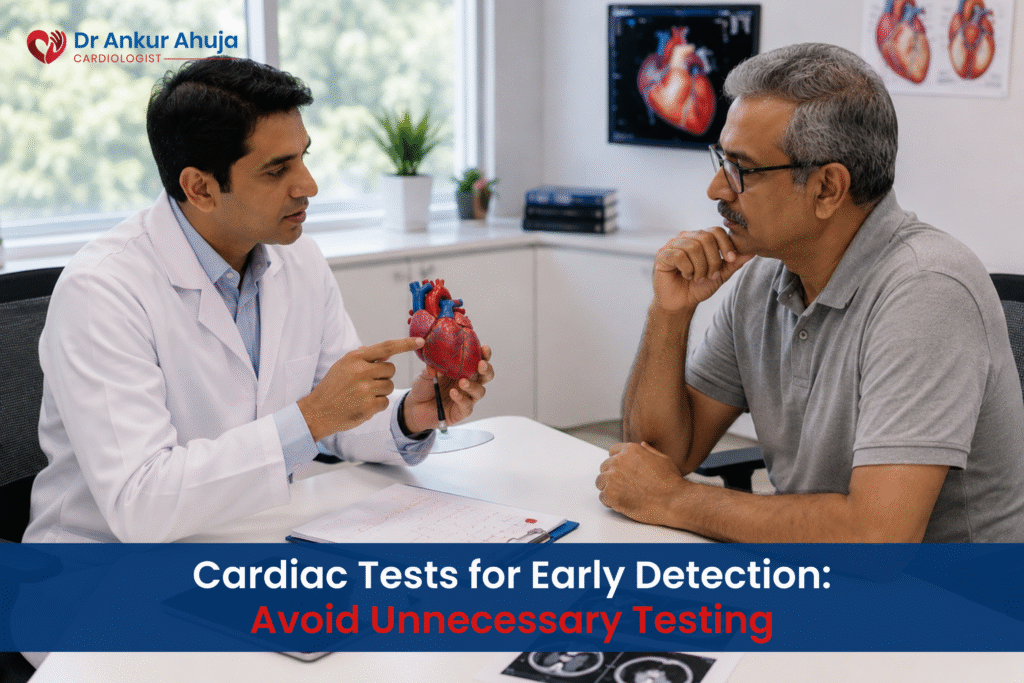
Cardiac Tests for Early Detection: Avoid Unnecessary Testing
People often assume that the most advanced or expensive test must provide the best protection. That is not always true.
Every medical investigation has a specific purpose. Some tests may lead to incidental findings, additional procedures, unnecessary anxiety, costs or exposure to radiation without providing meaningful benefit in low-risk individuals.
Let Your Risk Profile Guide the Decision
An evidence-based approach begins with a clinical assessment.
Your cardiologist can consider your symptoms, family history, existing conditions, lifestyle and basic test results before deciding whether advanced investigations are necessary.
This personalized approach supports early detection while avoiding a blanket “one test fits all” strategy.
When Should You Consult a Cardiologist?
You do not necessarily need to wait until you develop severe symptoms before discussing cardiovascular health with a doctor.
A preventive consultation may be useful if you have multiple risk factors or concerns about your family history.
Symptoms That Should Not Be Ignored
Seek prompt medical evaluation if you develop:
- New or unexplained chest pain
- Chest pressure during physical activity
- Unusual shortness of breath
- Fainting or near-fainting
- Persistent or concerning palpitations
- A sudden decline in exercise tolerance
Severe or persistent chest discomfort—particularly with sweating, breathlessness, nausea, fainting or pain spreading to the arm, jaw or back—may require emergency medical attention.
How Dr. Ankur Ahuja Can Help With Preventive Heart Care
Cardiac screening is most useful when it is personalized.
A cardiologist can evaluate your overall risk, explain what your results mean and determine whether additional investigations are genuinely necessary.
Personalized Evaluation Instead of Unnecessary Test Packages
At Dr. Ankur Ahuja’s practice, preventive cardiac assessment focuses on evidence-based evaluation and individual risk.
The aim is to identify relevant risk factors, choose appropriate tests and to devise a practical prevention plan rather than assuming all patients require the same investigations.
This approach helps patients make informed choices about their cardiovascular health and ensures that worrisome signs and risk factors are appropriately managed.
Frequently Asked Questions (FAQs)
Q1. What heart tests should I consider after 40?
Blood pressure, cholesterol and diabetes screening are common starting points. Additional heart tests depend on your symptoms, medical history, family history and cardiovascular risk.
Q2. Does everyone over 40 need an ECG?
No. An ECG may be useful in specific clinical situations, but routine testing for every healthy, symptom-free adult is not automatically necessary.
Q3. Do I need an echocardiogram after turning 40?
Not necessarily. Echocardiography is generally recommended when symptoms, examination findings, medical history or other test results indicate a need to assess heart structure or function.
Q4. Is a stress test necessary for everyone after 40?
No. Stress testing is usually considered according to symptoms and cardiovascular risk rather than age alone. Your doctor can determine whether it is appropriate.
Q5. Can heart tests detect disease before symptoms appear?
Some tests and risk assessments can identify silent risk factors or early disease. However, the appropriate screening approach varies from person to person.
Q6. How often should I get my heart checked after 40?
There is no single schedule for everyone. The frequency depends on your test results, risk factors, existing conditions, family history and your doctor’s recommendations.
Q7. When should I consult Dr. Ankur Ahuja?
Consider a consultation if you have cardiovascular risk factors, concerning symptoms, a strong family history or want an individualized assessment of your heart health.
Conclusion
Forty is a good time to step up your game when it comes to your cardiovascular health, but good screening doesn’t mean getting each and every cardiac test around.
For many adults, prevention starts with knowing your blood pressure, cholesterol, blood sugar, family history, lifestyle and overall cardiovascular risk. Tests like ECG, echocardiogram, stress test, calcium scoring or advanced cardiac imaging may be useful where there is a clear clinical indication.
The most effective approach is personalized. Your age matters, but so do your symptoms, medical conditions, family history and individual risk profile.
Regular physical activity, balanced nutrition, avoiding tobacco, managing blood pressure and diabetes, maintaining healthy cholesterol levels and seeking timely medical advice remain central to protecting long-term heart health.
At Dr. Ankur Ahuja’s practice, preventive care focuses on selecting appropriate investigations based on individual needs rather than unnecessary testing. A timely cardiovascular assessment can help you understand your risks and take practical steps toward better heart health.
Being proactive over 40 doesn’t mean fretting about every possible heart problem. It’s about knowing your risks, choosing the right test and making informed decisions for a healthier future.
Medical Disclaimer:
This article is for general educational purposes and does not replace personalized medical advice, diagnosis or treatment. Screening needs vary between individuals. Consult a qualified healthcare professional for recommendations based on your health history and risk factors.