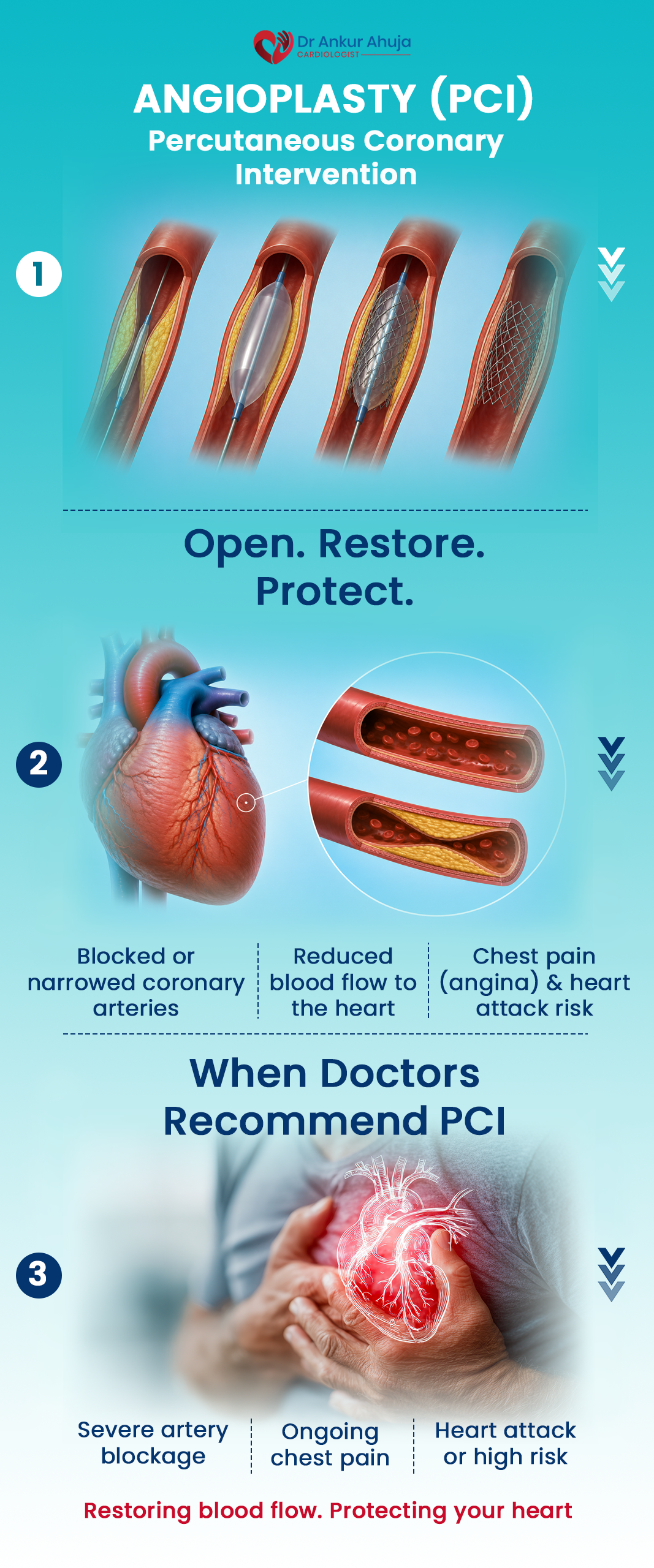
Heart diseases caused by blocked coronary arteries often need immediate medical attention to get the blood flow back to normal. In more serious cases, a complex coronary angioplasty procedure is needed to fix severe or complicated blockages that can’t be fixed with regular methods.
This minimally invasive procedure has changed how heart care is done by letting cardiologists open blocked arteries without having to do open-heart surgery. But because some cases are so complicated, like calcified arteries, multiple blockages or chronic total occlusions, the procedure needs advanced techniques and knowledge.
According to Dr Ankur Ahuja cardiologist, understanding each step of the procedure helps patients feel more confident and prepared for treatment. This guide explains the entire process, from preparation to recovery, in a simple and informative way.
What Is Complex Coronary Angioplasty Procedure
Understanding the basics is essential before exploring the steps involved.
What Complex Coronary Angioplasty Is
To understand what complex coronary angioplasty is, it is important to know that it is an advanced version of standard angioplasty used to treat difficult artery blockages.
These cases may involve:
- Completely blocked arteries
- Multiple lesions
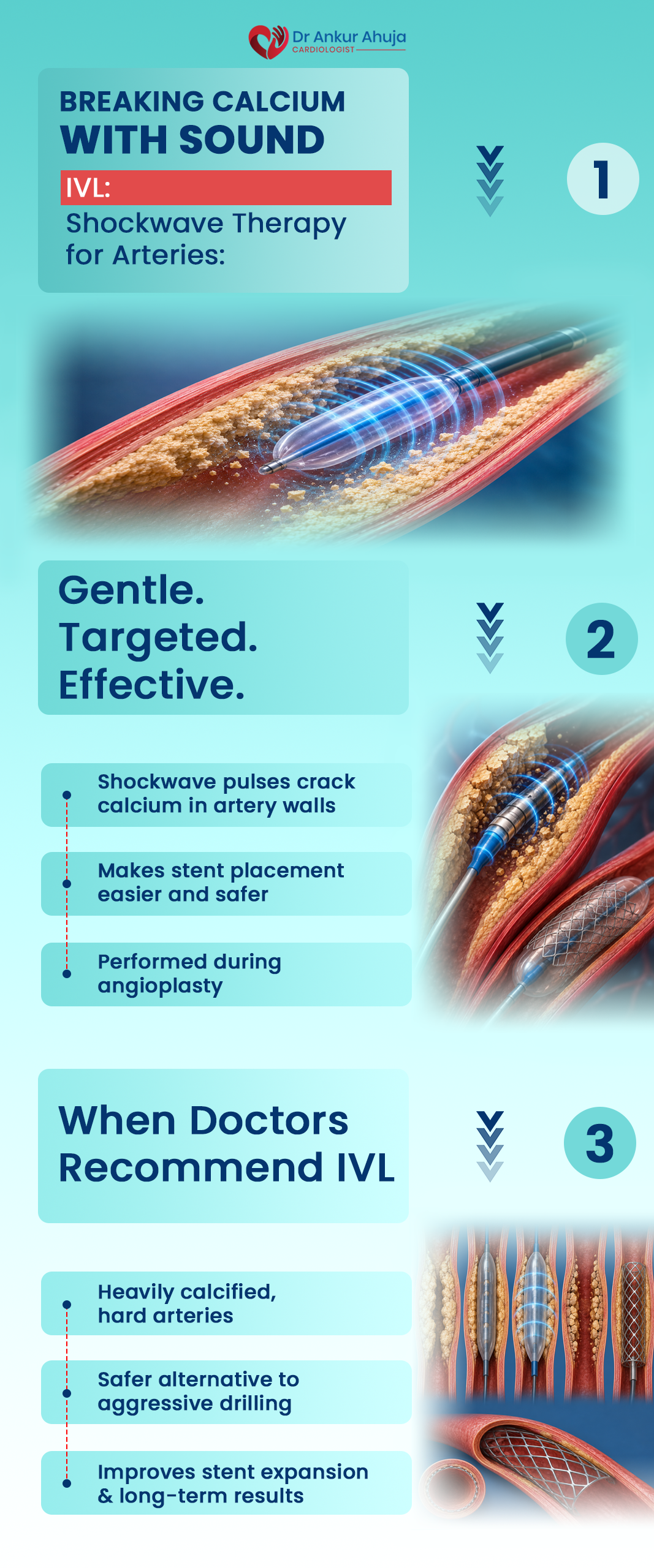
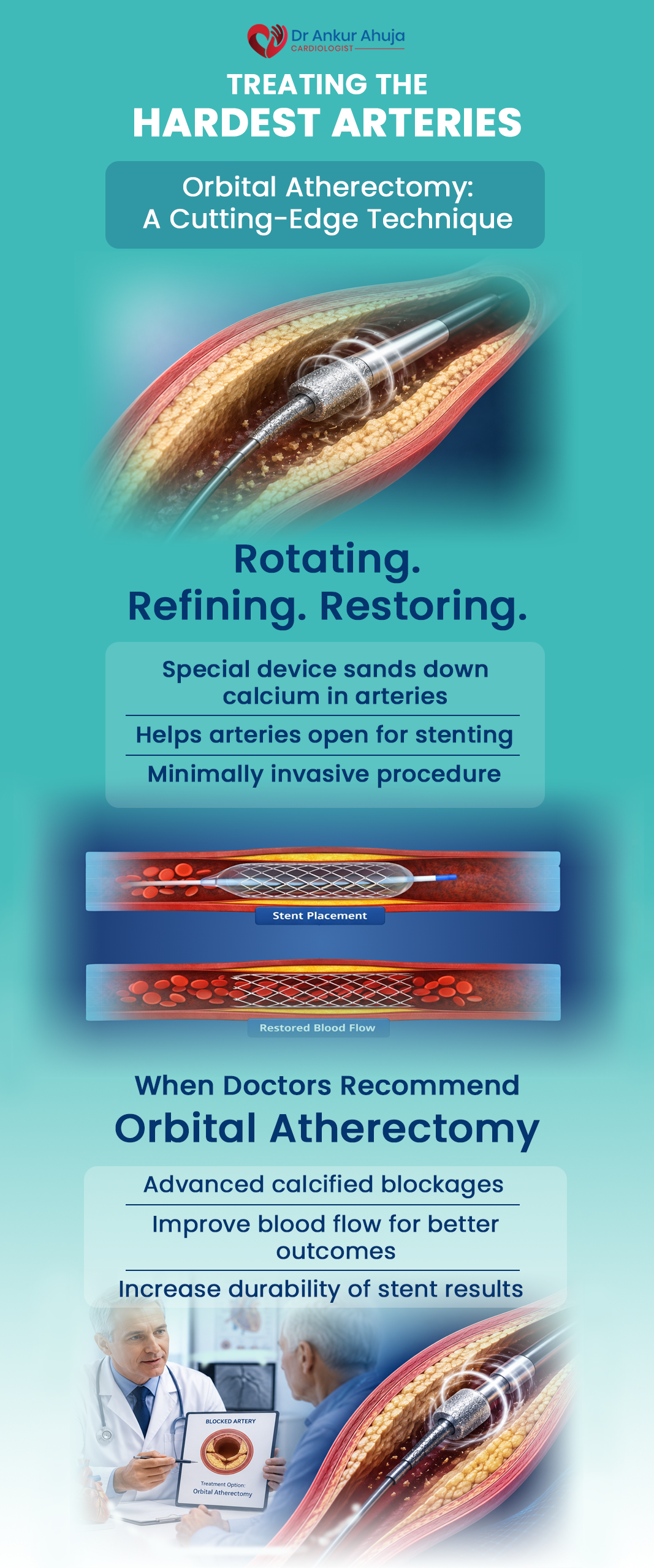
- Heavily calcified arteries
- Blockages at artery branches
This form of angioplasty for severe heart blockage requires specialized tools and techniques.
What Is Complex Angioplasty and Its Importance
When discussing what is complex angioplasty, it refers to procedures that require higher precision and expertise due to the nature of the blockage.
These procedures improve blood flow, reduce symptoms and lower the risk of heart attacks.
Preparation Before the Procedure
Proper preparation ensures safety and better outcomes.
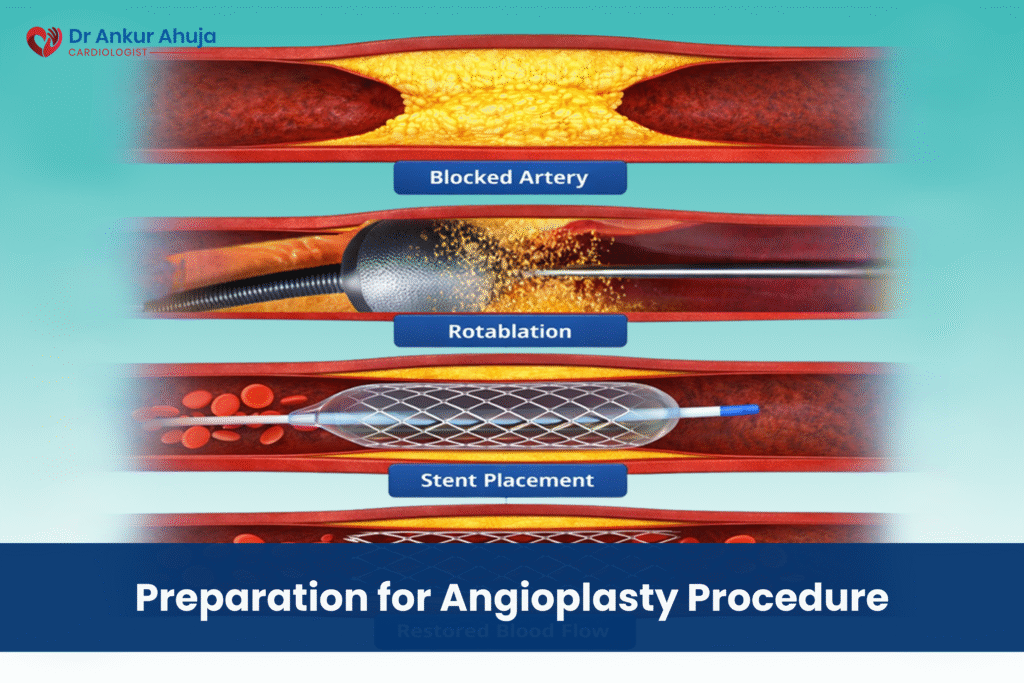
Preparation for Angioplasty Procedure
Before undergoing the procedure, doctors perform several tests and evaluations as part of preparation for angioplasty procedure.
These may include:
- Blood tests
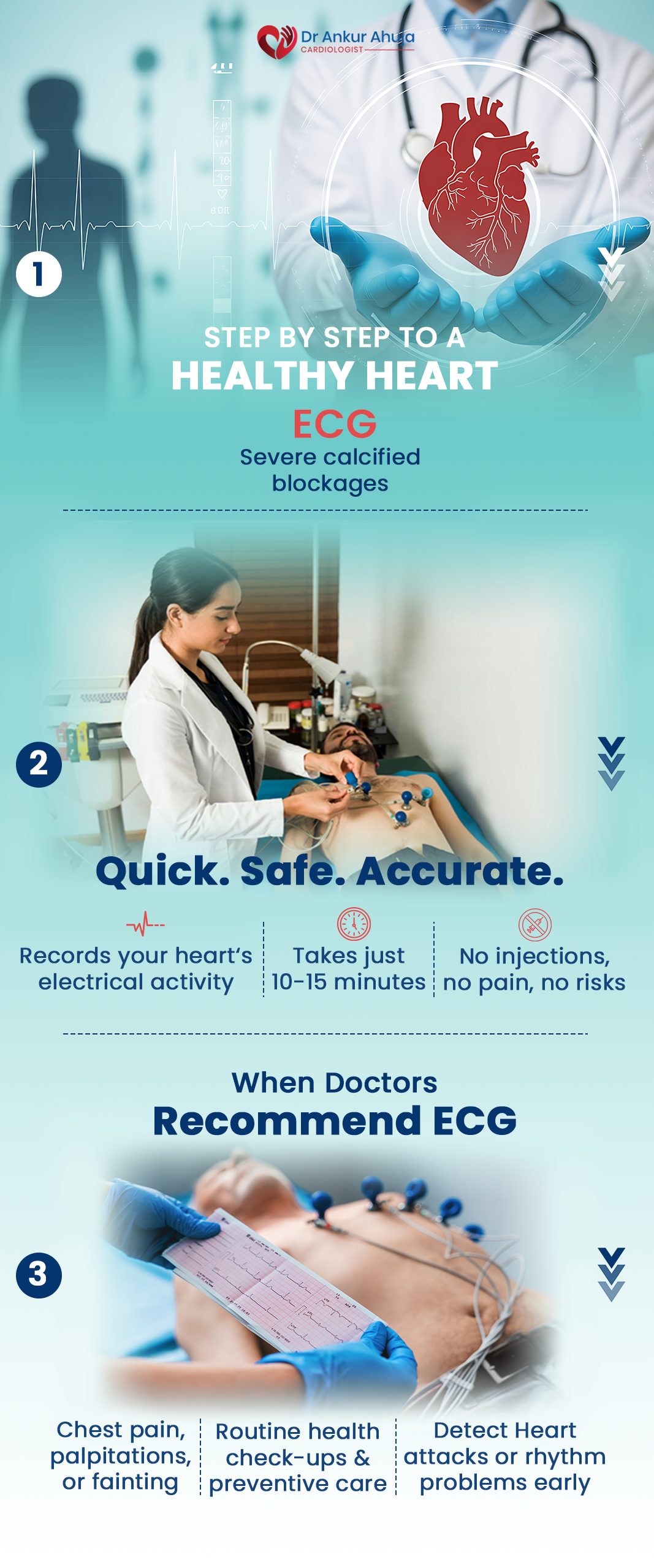
- ECG (electrocardiogram)
- Coronary angiography
- Medical history review
Patients may also be advised to stop certain medications before the procedure.
Patient Guidelines Before Surgery
Patients are usually instructed to:
- Avoid eating or drinking for a few hours
- Inform doctors about allergies
- Follow medication guidelines
Following these steps helps reduce risks during the procedure.
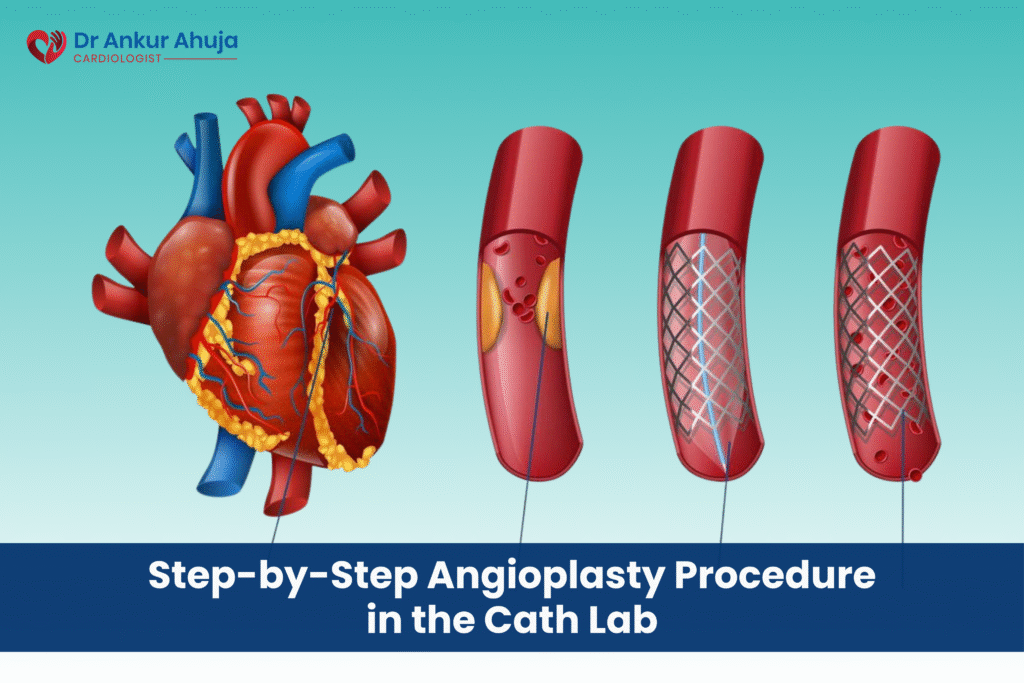
Step-by-Step Angioplasty Procedure in the Cath Lab
Understanding the step by step angioplasty procedure helps patients know what to expect.
Step-by-Step Process in the Cath Lab
The procedure is performed in a specialized area called a catheterization lab.
Step 1: Catheter Insertion
A thin tube (catheter) is inserted into a blood vessel, usually through the wrist or groin.
Step 2: Guiding the Catheter
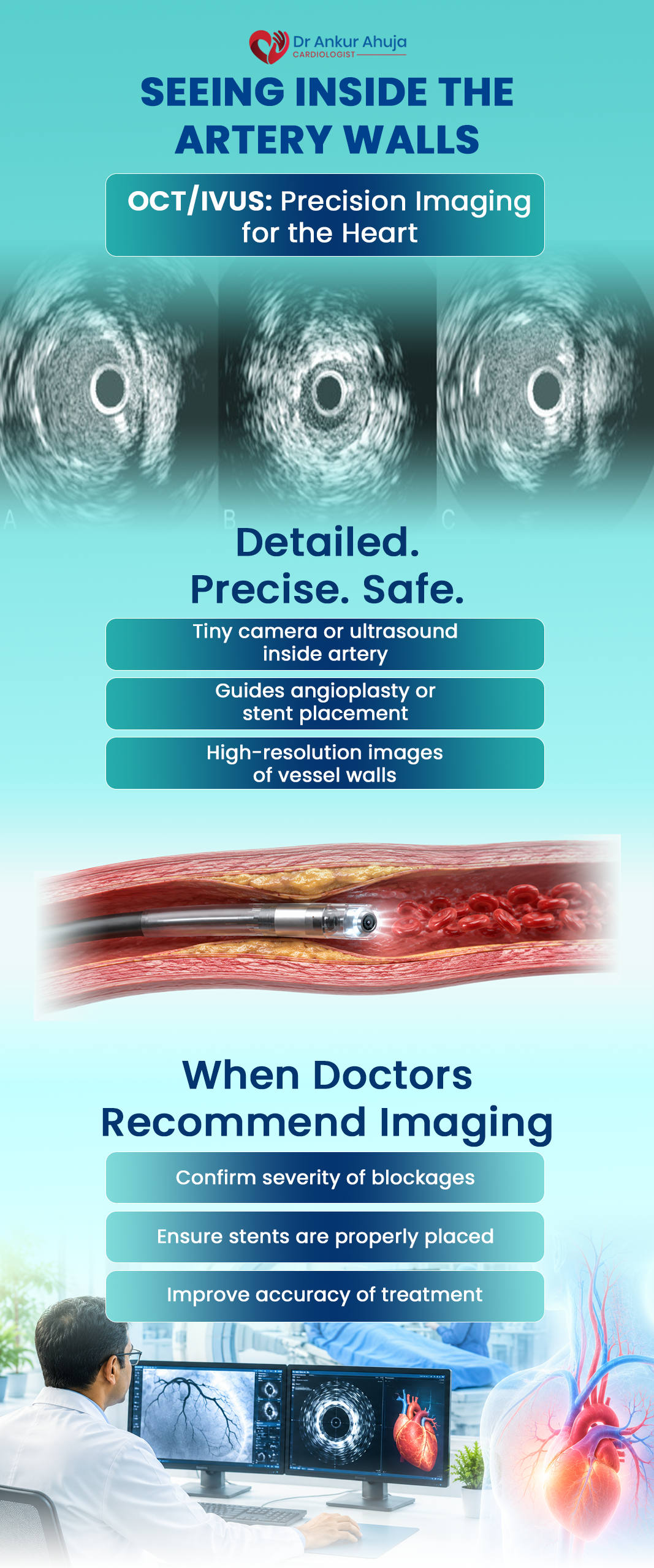
The catheter is guided to the blocked coronary artery using imaging technology.
Step 3: Balloon Inflation
A small balloon at the tip of the catheter is inflated to open the blockage.
Step 4: Stent Placement
A stent is placed to keep the artery open and ensure proper blood flow.
Step 5: Final Imaging
Doctors check the artery using imaging to confirm successful treatment.
This process highlights the detailed coronary angio plasty procedure details involved in treating blockages.
Advanced Techniques Used in Complex Cases
In complex cases, additional techniques may be used, such as:
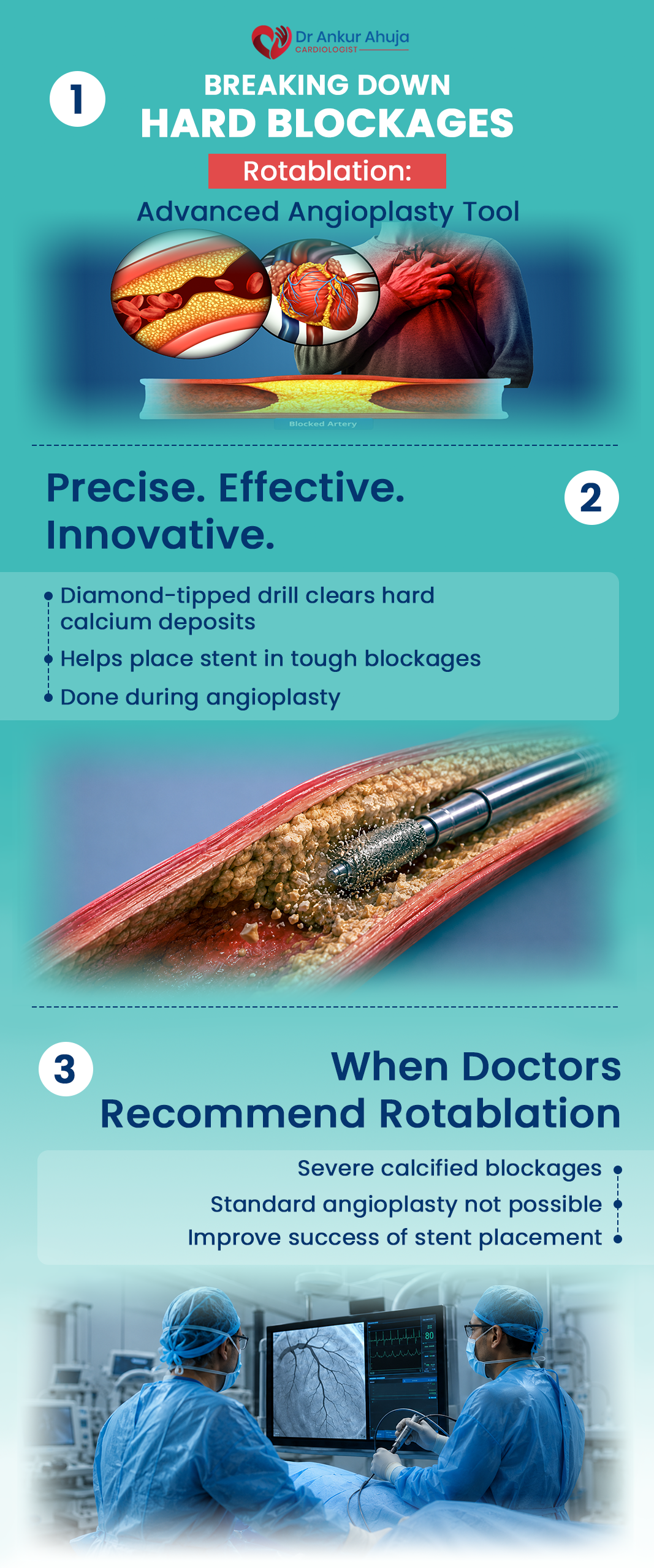
• Rotational atherectomy for plaques that have hardened
• Balloons made just for tough blockages
• Imaging tools for exact stent placement
These methods ensure better outcomes in difficult cases.
Risks, Recovery, and Success Rates
Risks Associated With Angioplasty
Although generally safe, potential risks include:
- Bleeding at the insertion site
- Blood clots
- Infection
- Rare complications such as heart attack
Complex procedures may carry slightly higher risks due to severity.
Recovery After Angioplasty
Recovery after the procedure is usually quick.
Recovery after angio plasty includes:
- Short hospital stay
- Gradual return to daily activities
- Medications to prevent clotting
- Lifestyle changes
Success Rates of Complex Procedures
Thanks to new technology and skilled professionals, the success rate of complex angioplasty has gone up a lot.
Patients who see experts like Dr. Ankur Ahuja, a cardiologist, often have great results.
Importance of Expert Care in Complex Angioplasty
Why Specialist Expertise Matters
Complex procedures require:
- Advanced training
- Experience with difficult cases
- Access to modern equipment
Choosing the Right Cardiologist
Selecting an experienced cardiologist ensures:
- Accurate diagnosis
- Safe procedure
- Better recovery outcomes
Lifestyle Changes After Angioplasty
Maintaining Heart Health
Patients should adopt healthy habits such as:
- Balanced diet
- Regular exercise
- Stress management
Preventing Future Blockages
Lifestyle changes and regular checkups help prevent recurrence.
Frequently Asked Questions
1. What is a complex coronary angioplasty procedure?
It is an advanced procedure used to treat severe or complicated artery blockages.
2. How long does the procedure take?
It usually takes 1–3 hours depending on complexity.
3. Is angioplasty painful?
The procedure is minimally invasive and generally not painful.
4. How long is recovery after angioplasty?
Most patients recover within a few days.
5. What are the risks of angioplasty?
Risks include bleeding, clot formation and rare complications.
6. Can angioplasty cure heart blockage permanently?
It improves blood flow, but lifestyle changes are needed for long-term health.
Conclusion
People with severe coronary artery disease can have their lives saved by the complicated complex coronary angio plasty procedure. Patients can feel more informed and confident about their treatment by knowing how it will happen step by step.
Advancements in interventional cardiology have made it possible to treat even the most complicated cases effectively. However, the success of the procedure depends largely on expertise and proper care.
Consulting an experienced specialist such as Dr Ankur Ahuja cardiologist ensures safe treatment and better outcomes. With the right approach, patients can achieve improved heart health and a better quality of life.